How to Choose a 48V 150Ah Lithium Battery?
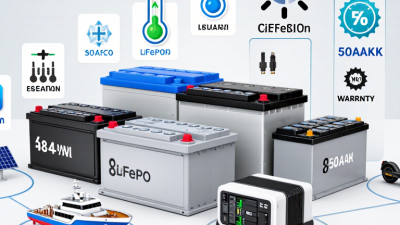
A 48V 150Ah battery can look straightforward on a product page. The label suggests substantial energy, but it does not tell you whether the battery suits your equipment, installation space, or daily routine. The phrase “48vot 150amp Lithium” is often used in searches, yet buyers should verify the actual rating: 48 volts and 150 amp-hours. That combination represents roughly 7.2 kilowatt-hours before practical losses.
Look beyond the headline capacity. Check the battery’s chemistry, continuous discharge rating, built-in battery management system, charger requirements, dimensions, and operating-temperature limits. A 150Ah unit may store enough energy, but its current limit can still fall short of a motor or inverter’s peak demand. Measure the compartment, too; a few centimeters can decide whether installation is simple or frustrating. Small details matter.
Battery scientist Dr. Jeff Dahn’s research offers a useful principle: battery performance depends on the whole system, not capacity alone. This guide applies that principle to choosing a 48V 150Ah lithium battery, comparing specifications with real operating needs. It also considers warranty terms, service support, and clear product documentation. No single number tells the whole story. I’d still question any listing that hides its discharge limits or charging guidance. Treat vague specifications as a reason to pause, not as proof of quality. By matching the battery to your load, charging setup, and available space, you can make a more dependable choice—and avoid paying for capacity you cannot use.
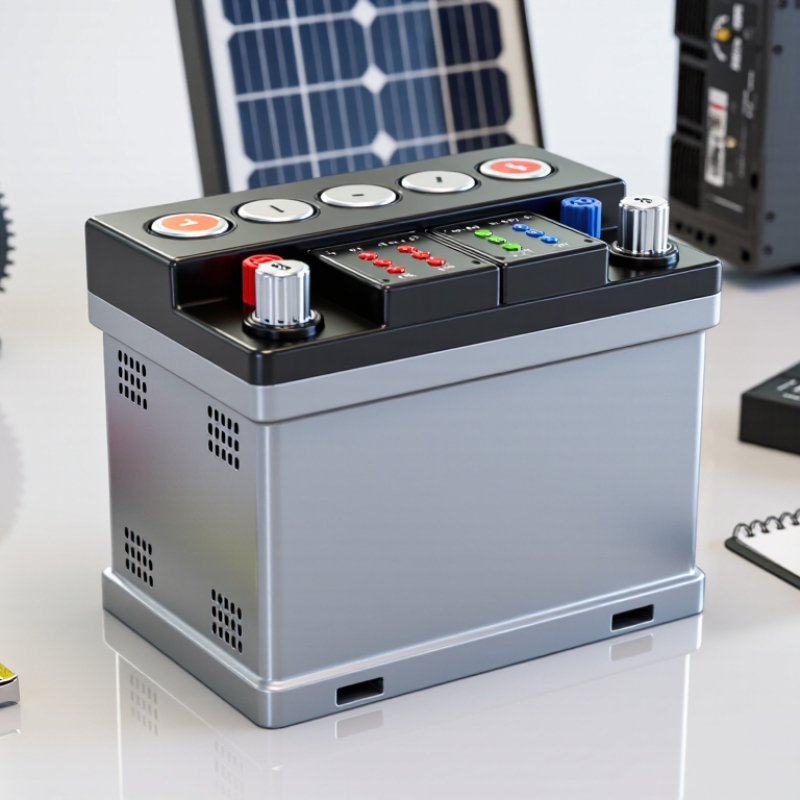
Determine Your Energy and Power Requirements
How to Choose a 48V 150Ah Lithium Battery? Determine Your Energy and Power Requirements
A 48V, 150Ah battery stores about 7.2kWh of nominal energy. That is a starting point, not the energy you can reliably use. Reserve settings, inverter losses, temperature, and battery age all reduce available output. List each appliance’s watts and daily running hours. A 500W refrigerator running for 10 hours uses roughly 5kWh, before conversion losses. Real usage can be messier; compressors cycle, and startup demand may briefly exceed their running load.
Check power as well as energy. A 3kW load draws about 62.5A at 48V under ideal conditions; actual current is higher after conversion losses. Confirm the battery’s continuous and peak discharge ratings against your inverter and the largest startup surge. NREL’s 2024 Annual Technology Baseline uses 85% round-trip efficiency as a utility-scale battery-system assumption. Treat it as a planning reference, not a guaranteed efficiency for a specific home setup.
Tips: Record actual loads with a meter for several days, especially overnight. Leave headroom for cold mornings and brief motor surges. Then compare your measured daily energy and peak current with the battery’s usable capacity and discharge limits. A spreadsheet helps, but measurements are better.
Check Voltage, Capacity, and System Compatibility
How to Choose a 48V 150Ah Lithium Battery?
Check Voltage, Capacity, and System Compatibility
A 48V, 150Ah battery stores about 7.2 kWh when rated at 48V; some lithium iron phosphate batteries use 51.2V nominal voltage, giving 7.68 kWh. Check the battery’s specification sheet, not just its product title. The U.S. Department of Energy’s 2022 Grid Energy Storage Technology Cost and Performance Assessment reports roughly 85% round-trip efficiency for lithium-ion systems. Actual usable energy will be lower after conversion losses and any reserve setting. That matters.
Confirm that the battery’s operating-voltage range matches the inverter or charger—not merely that both are called “48V.” Compare continuous and peak discharge current with the loads you expect to run. A 3,000W load draws about 59A at 51.2V before losses, so cables, fuses, and inverter limits need to support the real current. Also check charge-voltage settings, communication requirements, and whether the system permits parallel batteries. I would verify these details with the equipment manuals; compatibility is easy to assume and harder to fix later. A capacity figure alone does not tell you how much energy your system can safely deliver.
Assess Size, Installation, and Operating Conditions
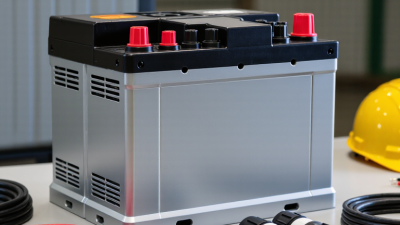
Before choosing a 48V 150Ah lithium battery, measure the installation space, including access for cables and maintenance. A unit rated at 48 volts and 150 amp-hours stores about 7.2 kWh nominally, but usable energy depends on its operating limits. Check the battery’s dimensions and weight against the compartment, mounting surface, and transport route. Leave the clearances specified in its manual. Tight spaces can make routine inspection awkward.
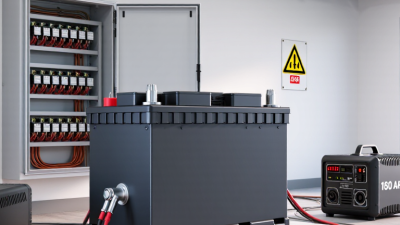
Check electrical compatibility before installation. The inverter and charger must support the battery’s voltage range and lithium charging profile. Confirm that the battery management system can handle the continuous and brief peak currents your equipment draws. Cable length, conductor size, terminal access, and suitable overcurrent protection all matter. Have a qualified installer verify the setup if you are unsure. Small details count.
Operating conditions can change performance. Cold temperatures may restrict charging, while persistent heat can shorten service life. Compare the battery’s stated temperature limits with the actual location, such as an unheated garage or a warm equipment cabinet. Also consider daily load patterns and seasonal use, not just the capacity printed on the label. That part is easy to overlook. A little extra capacity may help, but it cannot fix poor placement or incompatible equipment.
Review Warranty, Certifications, and Total Cost of Ownership
A 48V 150Ah battery stores about 7.2 kWh at nominal voltage, but usable energy depends on its limits and system efficiency. Warranty terms show how the seller expects the battery to perform. Check the coverage period, cycle or energy-throughput limits, and what happens if capacity drops early. Small print matters. Look for exclusions covering temperature, charging equipment, installation, and required maintenance. A long warranty is less reassuring if making a claim requires shipping a heavy battery overseas.
Certifications should match the exact battery model, not just the product family or factory. Ask for current documents and, where available, independent test reports. Standards differ by market and application, so confirm that the listed safety and transport requirements fit your intended use. A certificate image alone is not enough; its number, scope, and issuing organization should be verifiable. That is useful.
Compare total ownership costs, not only purchase prices. Include a compatible charger, installation, delivery, monitoring equipment, and likely replacement costs. Estimate usable kilowatt-hours over the expected service life, then compare the cost per delivered kilowatt-hour. I would still hesitate if the seller cannot explain capacity testing or warranty exclusions clearly. Even a spreadsheet may miss downtime: a failed battery during a busy week can cost more than the repair. Check who handles local service before committing.