Why Choose a 48V 160 Amp Lithium Battery?
Choosing a 48 V 160 Amp Lithium battery can make sense when a system needs strong power delivery in a compact setup. It may suit an off-grid cabin, a work vehicle, or backup equipment with demanding loads. But the number alone does not tell the whole story. Check whether “160 Amp” describes continuous current or battery capacity in amp-hours. These are different specifications, and confusing them can lead to poor system choices.
A well-matched battery should work with the inverter, charger, and expected load. Confirm its nominal voltage, continuous and peak discharge ratings, usable capacity, and built-in battery management system. A clear datasheet matters. So does manufacturer support. For example, a pump starting under load may briefly draw far more current than it uses while running. The battery and connected equipment must handle that surge safely. Installation conditions also matter: cable size, ventilation guidance, temperature limits, and secure mounting deserve attention. Small details, real consequences.
Lithium batteries often offer lower weight and useful cycle life compared with some traditional alternatives, but performance depends on the model and how it is used. No battery is a perfect fit for every system. Ask what the actual load profile looks like, how much runtime is needed, and whether future expansion is planned. A careful comparison is better than choosing by voltage and current figures alone. The following sections examine the key specifications, practical benefits, and compatibility checks behind a 48 V 160 Amp Lithium purchase. Read the fine print. It can change the decision.
What a 48V 160 Amp Lithium Battery Is
Why Choose a 48V 160 Amp Lithium Battery?
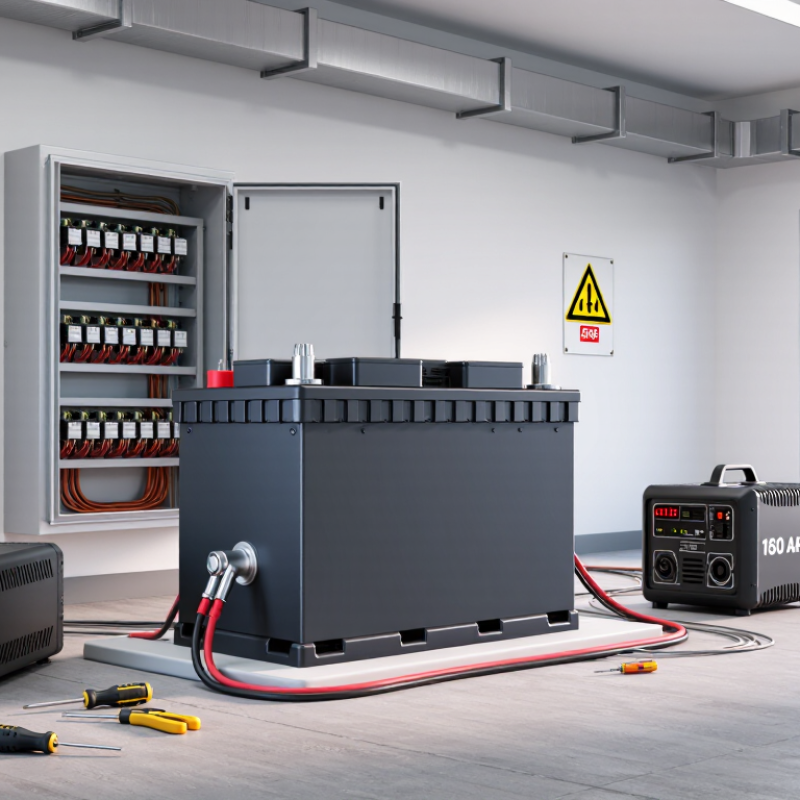
A “48V 160 amp” lithium battery usually means a battery rated around 48 volts and 160 amp-hours. Amps measure current; amp-hours describe stored charge. That distinction matters.
Multiplying 48 volts by 160 amp-hours gives about 7.68 kilowatt-hours of nominal energy. Some products marketed as 48V use 51.2V nominal lithium iron phosphate cells, making the same capacity about 8.19 kilowatt-hours. Check the nameplate, not just the product title. A battery’s usable energy can be lower because of reserve settings, temperature, and the battery management system.
In practical terms, this capacity can run modest loads for hours, but runtime depends on what is connected. A 500-watt load would use roughly 0.5 kilowatt-hours per hour, before conversion losses.
The National Renewable Energy Laboratory’s 2024 Annual Technology Baseline uses 85% round-trip efficiency as a benchmark for utility-scale lithium-ion storage. That figure is not a guarantee for a specific 48V battery; installation and operating conditions differ. It is a useful reminder that stored energy and delivered energy are not identical. Inspect the continuous discharge rating, charger compatibility, and low-temperature limits before choosing a system. A voltage label alone tells only part of the story.
How Its Voltage and Capacity Affect Performance
A 48V lithium battery pairs a nominal voltage with a capacity rating, often stated in amp-hours. Check the product specification: “160 amp” may mean 160 amp-hours, not a continuous current limit. That distinction matters. At 48V and 160Ah, nominal energy is about 7.68 kilowatt-hours, before conversion losses or reserve limits.
Voltage affects compatibility and how much current a system needs to deliver a given load. For example, a 1,000-watt appliance draws roughly 21 amps at 48V, ignoring losses. A lower-voltage system would draw more current for the same output. Capacity affects runtime: in ideal conditions, 7.68 kilowatt-hours could run that appliance for about 7.7 hours. Real use varies. An inverter, temperature, battery-management limits, and the appliance’s changing demand all reduce or alter that estimate.
For a practical check, compare the battery’s permitted discharge current with the peak demand of your inverter or equipment. A large capacity does not automatically mean it can supply a large surge. Also confirm the system’s charging voltage and the battery’s usable-energy specification. These details are easy to overlook, and published figures may not match a cold morning or a heavily loaded setup. Measuring your actual daily energy use gives a more reliable sizing estimate than relying on capacity alone.
Key Benefits of Lithium Battery Technology
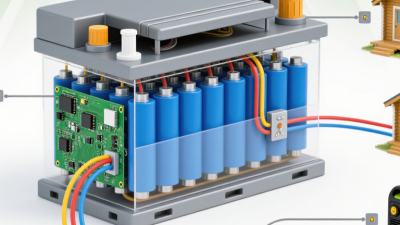
A 48V 160 Amp lithium battery can deliver steady power for equipment that needs reliable output over long periods. Lithium cells are relatively light for the energy they store, which can make installation and handling easier than with many lead-acid alternatives. Their voltage also tends to remain more stable as the battery discharges, helping compatible devices run consistently. That matters.
Lithium batteries can accept charging efficiently, though actual charge time depends on the charger, temperature, and battery management system. A built-in management system can monitor cell voltage and temperature and help prevent operation beyond specified limits. Many lithium batteries also need less routine maintenance than flooded lead-acid batteries. Still, lithium is not a universal upgrade: check the system’s voltage, current requirements, charger profile, and operating temperature range before choosing one. Cold conditions can limit charging, and installation details matter. I would not treat the advertised capacity as the whole story.
Tips: Confirm that the battery’s continuous discharge rating matches your equipment’s demand. Keep terminals secure and follow the manufacturer’s temperature and charging guidance. Check the limits. A small compatibility check can prevent an expensive mismatch.
Common Applications for a 48V 160 Amp Battery
A 48V 160Ah lithium battery stores about 7.68kWh nominally, making it useful where steady power matters more than a tiny footprint. In a camper van or off-grid cabin, it can run lights, a fridge, pumps, and small appliances. Actual runtime depends on inverter losses, battery chemistry, temperature, and the battery management system. That detail matters. “160A” may describe maximum current, not capacity; check whether the specification says 160Ah before estimating energy.
For marine systems, workshops, and backup power, 48V can reduce current compared with lower-voltage setups at the same power. That can mean less cable heating, provided cables, fuses, and connections are correctly sized. It is not a universal fit. The IEA’s Batteries and Secure Energy Transitions report says power-sector battery storage additions rose by more than 130% in 2023, reaching 42GW worldwide. That growth signals broader demand for storage, but it does not guarantee a home battery will suit every load profile. Record daily energy use, check peak appliance demand, and leave room for cold-weather performance. A neat spreadsheet can still miss real-world surges.
Why Choose a 48V 160 Amp Lithium Battery? - Common Applications for a 48V 160 Amp Battery
A 48 V, 160 Ah battery stores approximately 7.68 kWh of nominal energy. The examples below are estimates, not guaranteed runtimes.
| Application |
Example Average Load |
Illustrative Runtime |
Why a 48 V Battery Can Be Suitable |
| RV and camper power |
500 W AC through an inverter |
About 12.4 hours |
Can supply energy for typical onboard loads such as lighting, electronics, and small appliances, subject to inverter and appliance requirements. |
| Home backup for selected circuits |
1,000 W AC through an inverter |
About 6.2 hours |
May support essential loads when paired with a compatible inverter and correctly sized protection and wiring. |
| Off-grid solar storage |
300 W DC load |
About 23 hours |
Can store solar-generated energy for later use; charging equipment must match the battery chemistry and voltage limits. |
| Marine electronics and onboard DC equipment |
150 W DC load |
About 46 hours |
Useful for compatible DC systems; installation should account for marine conditions, ventilation, and electrical safety. |
| Telecommunications backup |
200 W DC load |
About 35 hours |
Can provide backup energy for appropriately configured equipment; confirm DC voltage, runtime targets, and backup-system compatibility. |
| Electric utility equipment, such as a floor scrubber |
800 W DC load |
About 8.6 hours |
May suit equipment designed for a compatible 48 V battery system, provided the battery’s continuous and peak-current ratings are adequate. |
Runtime estimates assume 90% of nominal battery energy is usable. AC estimates also assume 90% inverter efficiency; DC estimates exclude conversion losses. Actual runtime depends on battery chemistry, BMS limits, temperature, battery condition, load peaks, wiring, and equipment efficiency. “160 amp” is commonly used informally to mean 160 Ah capacity; amp-hours (Ah) measure battery capacity, while amps (A) measure current.
Factors to Consider Before Choosing One
Before choosing a 48V 160 Amp lithium battery, check what “160 Amp” actually describes. It may refer to 160 amp-hours of capacity or a 160-amp discharge limit. These are different specifications. A motor drawing high current needs a battery and battery management system (BMS) rated for that load, not just a large capacity figure. Check the product datasheet, and compare its continuous and peak current ratings with your equipment.
Estimate your real energy use, not only the advertised capacity. A boat motor, for example, may draw more power when pushing against wind or current. Note the expected runtime, the load’s startup surge, and whether other devices share the battery. That detail matters. Also confirm that your charger is designed for the battery’s chemistry and charging voltage; an existing charger may not be compatible.
Physical fit is easy to overlook. Measure the battery space, check terminal positions, and consider weight before ordering. Review the specified operating temperatures, protection features, warranty terms, and cycle-life testing conditions. I would not assume a long cycle-life figure guarantees the same result in every setup. Heat, deep discharges, and charging habits can affect performance. A clear datasheet and responsive technical support are useful signs of a well-documented product.