What Is a 48V 160Ah LiFePO4 Battery?
A 48V 160Ah LiFePO4 battery is a rechargeable energy-storage unit designed for systems that need substantial capacity at a relatively low current. In many products, “48V” describes the system class, while the battery’s nominal voltage is 51.2 volts. At 160 amp-hours, that equals about 8.2 kilowatt-hours of nominal energy. Actual usable energy depends on the battery’s settings, condition, and manufacturer guidance.
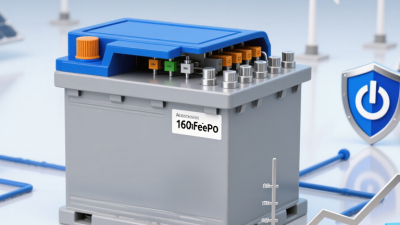
That is a useful starting point. It is not the whole story. A 48 V 160 Amp Lifepo4 battery may suit solar storage, backup power, or off-grid equipment, but its label alone cannot confirm compatibility. Check the inverter’s voltage range, charging profile, maximum charge and discharge current, and communication requirements. The built-in battery management system also matters: it helps monitor cell limits and respond to conditions such as overcurrent or temperature extremes. Exact functions vary by model, so consult the product manual rather than assuming every battery behaves the same way.
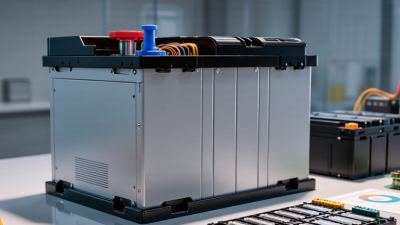
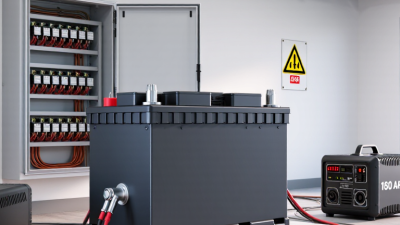
Picture a battery cabinet beside an inverter: cable size, ventilation, temperature, and secure mounting all affect a real installation. A larger capacity can support longer operation, yet it does not automatically provide more power at every moment. That distinction is easy to miss. Before choosing a unit, compare its continuous and peak current ratings with the loads you expect to run, and ask a qualified installer when system requirements are unclear. Even careful estimates can be imperfect; actual runtime changes with load, conversion losses, and battery age.
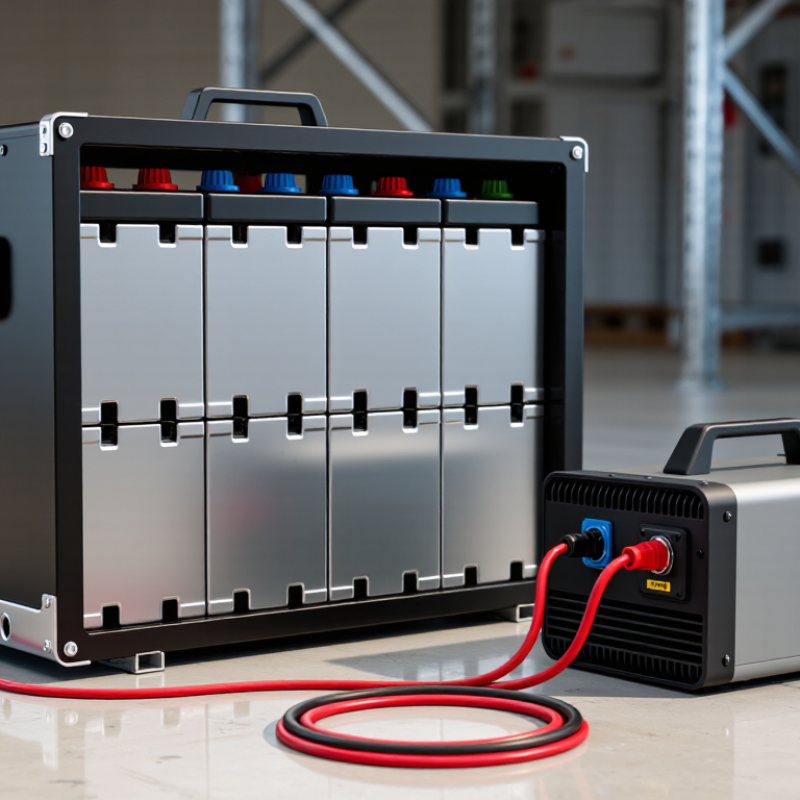
Cell Chemistry and Pack Layout: 16 LiFePO₄ Cells at 3.2V Nominal
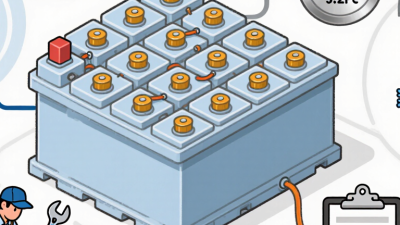
A 48V 160Ah LiFePO4 battery typically contains 16 cells connected in series. Each cell has a nominal voltage of 3.2 volts, giving the pack a nominal voltage of 51.2 volts. “48V” is a common system-class label, not the exact nominal voltage. Series connections add voltage, not capacity, so the pack remains rated at 160 amp-hours.
Multiplying nominal voltage by capacity gives about 8.2 kilowatt-hours. That figure is an estimate, not a guarantee of usable energy. Voltage limits, temperature, discharge rate, and battery management settings all affect what a connected load can draw. Small details matter. The management system monitors cell voltage and temperature, while busbars connect the cells and carry current through the pack. Cell balancing also helps manage differences that can develop during charging.
Cells may sit in rows or be stacked, depending on their size and the enclosure. Secure mounting limits movement, and spacing can help with heat dissipation. But a neat layout does not prove that every connection is sound. I would check the cell specifications, protection functions, and continuous current rating against the intended load. The inverter’s peak current matters too; weak connections can cause voltage drop or unwanted heating.
What Is a 48V 160Ah LiFePO4 Battery? - Cell Chemistry and Pack Layout: 16 LiFePO₄ Cells at 3.2V Nominal
| Specification |
Value |
Details |
| Battery chemistry |
Lithium iron phosphate (LiFePO₄, or LFP) |
Each cell has a nominal voltage of approximately 3.2 V. |
| Cell arrangement |
16S1P |
Sixteen cells are connected in series, with one series string and no parallel strings. |
| Nominal cell voltage |
3.2 V |
The stated value is a nominal rating; actual cell voltage changes during charging and discharging. |
| Nominal pack voltage |
51.2 V |
Calculated as 16 cells × 3.2 V. “48 V” describes the battery’s nominal voltage class. |
| Nominal capacity |
160 Ah |
In a series-connected pack, voltage increases while amp-hour capacity remains the same as one cell’s capacity. |
| Nominal energy |
8,192 Wh (8.192 kWh) |
Calculated as 51.2 V × 160 Ah. Usable energy depends on operating limits, temperature, and system settings. |
| Approximate energy per cell |
512 Wh |
Calculated as 3.2 V × 160 Ah for each assumed 160 Ah cell. |
| Typical upper charge-voltage reference |
Up to 58.4 V |
Equivalent to 16 × 3.65 V per cell, a commonly used upper limit for LFP cells. Follow the specific cell and battery-system specifications. |
| Battery management system |
Required for pack protection |
A suitable BMS monitors cell voltages and pack conditions and helps protect against operating outside permitted limits. |
Layout assumption: This example describes a pack made from sixteen 160 Ah LiFePO₄ cells connected in series. Actual cell limits, charge settings, and usable capacity vary by design.
Rated Voltage and Energy: 51.2V × 160Ah Equals 8.19kWh
A 48V 160Ah LiFePO4 battery is commonly rated at 51.2 volts, not exactly 48 volts. The 48V label is a nominal class used for system compatibility. LiFePO4 cells typically contribute about 3.2 volts each, so sixteen cells in series give a nominal pack voltage of 51.2 volts.
Multiply that by 160 amp-hours: 51.2 × 160 = 8,192 watt-hours, or about 8.19 kilowatt-hours.
That is the arithmetic.
This figure describes nominal stored energy, not a promise that every appliance can use the full 8.19 kWh. The battery’s management system may reserve capacity, while inverter losses reduce energy delivered to AC devices. For example, a 500-watt load running for four hours needs about 2 kWh before those losses. Actual runtime also depends on temperature, discharge limits, battery age, and the load’s changing demand.
Small differences matter.
When comparing batteries, check whether the stated amp-hour rating applies at the listed voltage and operating conditions. Also verify the permitted continuous current; capacity alone does not tell you which loads the battery can support. These figures are useful, but they can look more exact than real-world results. A careful estimate should leave some margin.
BMS Functions and Limits: 16-Series Cell Monitoring and Protection
What Is a 48V 160Ah LiFePO4 Battery?
BMS Functions and Limits: 16-Series Cell Monitoring and Protection
A 48V LiFePO4 battery commonly uses 16 cells in series, each nominally 3.2V. Together, they provide 51.2V and 160Ah, or about 8.2kWh of nominal energy. The International Energy Agency’s Global EV Outlook 2024 reports that LFP batteries reached roughly 40% of the global electric-car battery market in 2023. Wider use makes careful battery management important.
The BMS monitors each series cell group, pack current, and temperature. It can interrupt charging or discharging when readings exceed configured limits. Some systems also balance cells, reducing differences as the pack charges. Limits are not universal: cell specifications, temperature sensors, wiring, and system settings all matter. Check the battery documentation rather than assuming one voltage cutoff suits every pack.
That neat number can mislead. Cell-level voltage readings show electrical conditions, not internal cell health. LFP voltage also stays relatively flat across much of its charge range, so voltage alone gives an imprecise state-of-charge estimate. Current tracking can help, but drift may build over time. A BMS cannot restore a weak cell or guarantee protection from every fault; correct installation and compatible charging remain essential.
Charge and Discharge Rates: 0.5C Corresponds to 80A at 160Ah
A 48V 160Ah LiFePO4 battery delivers 80A at a 0.5C rate: 160Ah × 0.5 = 80A.
This calculation applies to charging or discharging only when the battery’s specifications allow it. A “48V” pack may have a 51.2V nominal voltage, giving about 8.19kWh at 160Ah; using 48V gives 7.68kWh. Check the datasheet for the actual rated voltage. Simple arithmetic. Real batteries are less tidy: voltage, temperature, state of charge, and the battery management system can affect available current.
At 51.2V, 80A is about 4.1kW. Dividing 160Ah by 80A suggests two hours in ideal conditions, but conversion losses, reserve settings, and cutoff limits reduce usable runtime.
NREL’s 2024 Annual Technology Baseline uses 85% round-trip efficiency as a utility-scale lithium-ion storage assumption. This is a modeled system benchmark, not a guarantee for an individual 48V battery. Continuous current ratings also vary by pack and must be checked separately.
Tips: Confirm that both the battery and inverter support 80A continuously. Set charging voltage and current within the battery maker’s stated limits; 0.5C is not automatically a safe setting. Measure temperature and voltage during operation. One neat calculation can still mislead.
System Compatibility: Match 48V Inverters to Battery Voltage Limits
What Is a 48V 160Ah LiFePO4 Battery?
System Compatibility: Match 48V Inverters to Battery Voltage Limits
A 48V 160Ah LiFePO4 battery typically stores about 8.2 kWh at its 51.2V nominal voltage. But “48V” is a system class, not a fixed operating voltage. A common 16-cell battery may reach 58.4V when fully charged, while its actual limits depend on the battery design. Labels can mislead. Check the manual.
Before connecting an inverter, compare its permitted battery-voltage range with the battery’s specified charge, operating, and low-voltage limits. The inverter must tolerate the battery’s highest charging voltage, not just its nominal rating. Set its charging voltage to the battery maker’s limit, and configure low-voltage shutdown to avoid triggering the battery management system’s emergency cutoff. Also check current: inverter demand should stay within the battery’s continuous discharge rating. With parallel batteries, confirm approved wiring and combined current limits.
Tips: Verify voltage settings before powering up, and use a meter to check polarity. Keep cables short and sized for the expected current. If the inverter’s range is unclear, ask a qualified installer to review its specifications. A small settings mismatch can stop charging—or cause an unexpected shutdown.