Leave Your Message

China Best 48V 160Ah LiFePO4 Battery Supplier?

Choosing a China-based supplier for a 48 V 160 Amp Lifepo4 battery starts with evidence, not a polished product photo. The International Energy Agency’s 2024 report, Batteries and Secure Energy Transitions, says global battery storage additions grew by more than 130% in 2023. That growth signals rising demand, but it does not prove that any individual supplier offers dependable cells or careful quality control.

At Tesla’s 2020 Battery Day, Elon Musk said, “For standard range vehicles, we’re going to use iron-based batteries.” His comment reflects why LiFePO4 is considered for applications where cost and durability matter. Still, a chemistry label is not a quality guarantee. Check the cell manufacturer, documented capacity tests, battery management system protections, warranty terms, and support for your inverter. Ask for the pack’s actual nominal voltage, too: a common 16-cell LiFePO4 configuration is 51.2 volts, so 160 amp-hours represents about 8.19 kWh nominally—not 7.68 kWh at 48 volts. Small detail. It changes comparisons.

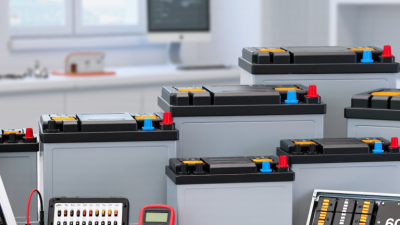
A credible supplier should provide traceable test records and explain charging limits, especially in cold conditions. Request a sample specification sheet and verify that its continuous current rating matches your equipment. No supplier is perfect, and marketing pages rarely show the whole picture. Compare verifiable documents, response quality, and after-sales commitments before choosing a China supplier.
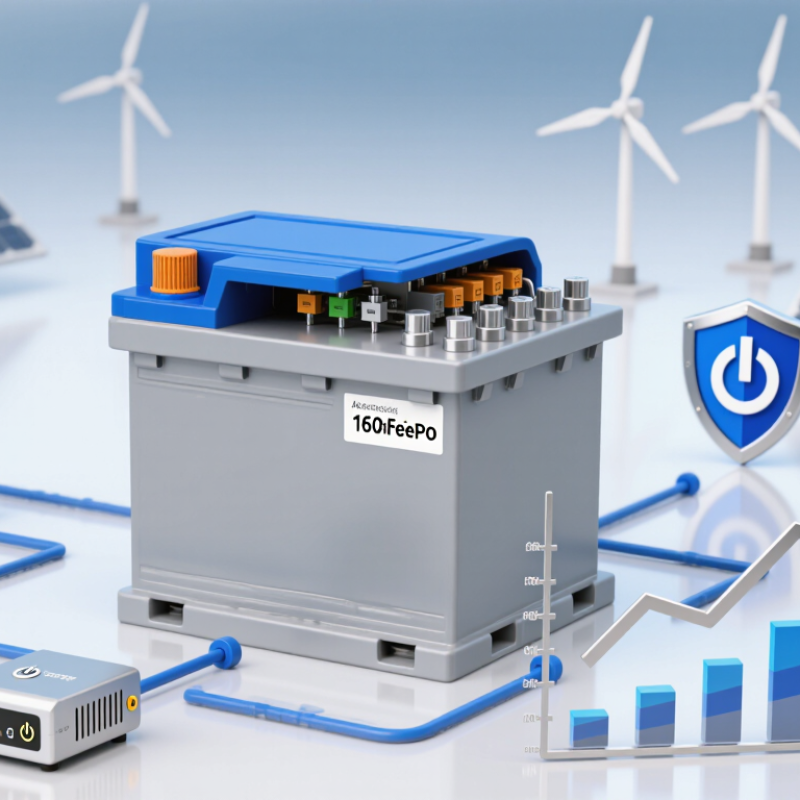
China Best 48V 160Ah LiFePO4 Battery Supplier?

What Is a 48V 160Ah LiFePO4 Battery?

What Is a 48V 160Ah LiFePO4 Battery?

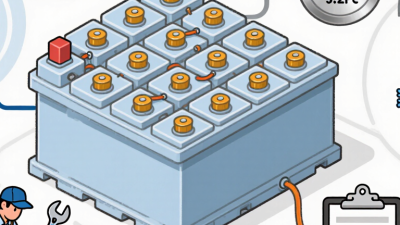
A 48V 160Ah LiFePO4 battery is a rechargeable energy-storage unit made with lithium iron phosphate cells. “48V” describes its system class, not always its exact operating voltage. Many models use 16 cells in series and have a nominal voltage of 51.2V. At that voltage, 160Ah represents about 8.19kWh of nominal energy. Actual usable energy depends on the battery’s limits and settings.

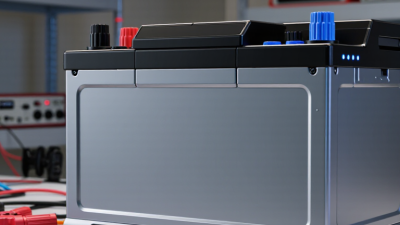
The battery management system monitors cell voltage, temperature, and current. It can help protect the pack from unsafe operating conditions, but it cannot correct poor installation or incompatible charging equipment. Check the manufacturer’s specifications for continuous and peak current, charge voltage, temperature range, and communication compatibility. Details matter.

In practical use, this capacity may support a home backup circuit, workshop equipment, or an off-grid setup, depending on the loads. A 1,000W load draws roughly 20A at 51.2V, before conversion losses. Real conditions vary. Cold weather, inverter efficiency, and aging can all reduce available output. The amp-hour figure alone does not tell you how long a system will run; measure the expected load and review the usable-energy rating.
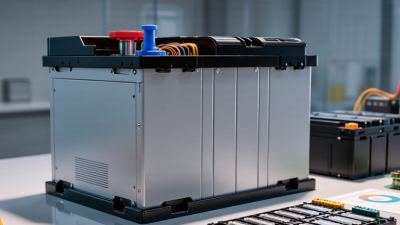

How Does Its Capacity and Battery Chemistry Affect Performance?

A 48V, 160Ah LiFePO4 battery stores substantial energy, but its label needs careful reading. At 48V, the simple calculation gives 7.68kWh. Some 16-cell packs use a nominal voltage of 51.2V, which gives about 8.19kWh. Check the rated voltage and data sheet, not just the product name. Numbers matter. Actual usable energy can be lower because the battery management system reserves capacity and limits discharge.

Capacity also affects how long equipment can run between charges. A steady 1kW load might draw roughly 20A from a 51.2V pack, before conversion losses. In practice, an inverter, wiring, temperature, and peak loads change the result. I would check twice. Confirm the supplier’s continuous and peak current ratings, plus tested capacity conditions. Amp-hours alone do not describe performance.

LiFePO4 chemistry is valued for stable operation and generally long cycle life compared with many other lithium-ion chemistries. Still, cycle-life claims depend on discharge depth, charging voltage, temperature, and test method. Cold weather can reduce available power, while excessive heat may accelerate aging. A clear specification should state operating limits and protection features. I would not treat a chemistry label as a substitute for test records.

Where Are 48V 160Ah LiFePO4 Batteries Commonly Used?

Where Are 48V 160Ah LiFePO4 Batteries Commonly Used?

A 48V 160Ah LiFePO4 battery is often used where steady power and compact storage matter. Many models have a nominal voltage near 51.2V, giving roughly 8.2 kWh of rated energy. Actual usable energy depends on the battery’s management system, settings, and operating conditions. Details matter.

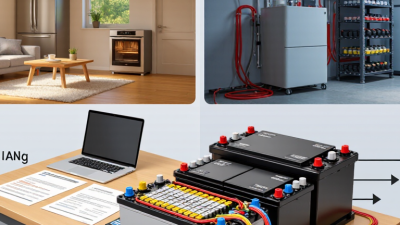
Off-grid cabins and solar-powered homes commonly use this capacity to store daytime energy for evening loads. It can support lights, communication equipment, refrigerators, and selected appliances, provided the inverter is properly matched. In recreational vehicles, a battery of this size may run DC equipment and an inverter during travel or at campsites. Runtime varies sharply with load. A kettle or heater can drain stored energy much faster than lights.

These batteries also suit some backup-power and small commercial systems, including sites that need reliable power for monitoring or network equipment. Before choosing one, check charge limits, continuous and peak output, installation space, and the expected temperature range. A 160Ah rating alone does not guarantee a suitable system. I would also leave room for changing demand; real usage is rarely as tidy as a spreadsheet.

China Best 48V 160Ah LiFePO4 Battery Supplier? - Where Are 48V 160Ah LiFePO4 Batteries Commonly Used?

Application Typical Use Why This Battery Size Can Fit Key Compatibility Checks
Residential solar energy storage Storing solar energy for evening use or backup during an outage. A 160Ah battery stores about 7.68kWh at 48V nominal, or about 8.19kWh for a 51.2V battery. Actual usable energy depends on the battery and system settings. Confirm inverter voltage range, charging profile, continuous current limits, and communication compatibility.
Off-grid cabins and small homes Powering selected household loads where a compatible solar or generator charging system is available. The capacity can support a range of loads, but runtime varies with daily consumption, inverter losses, temperature, and permitted depth of discharge. Estimate daily energy use and check inverter surge capacity for motors, pumps, and other starting loads.
Telecommunications backup Providing backup power for telecom equipment and related DC loads. A 48V-class battery can suit systems designed for that DC bus voltage and can provide backup energy when correctly sized. Check the equipment’s DC voltage window, required backup duration, discharge current, monitoring, and alarm interfaces.
Recreational vehicles and campervans Supplying compatible onboard appliances, DC systems, or an inverter. Its energy capacity may suit larger onboard loads, subject to installation space and the vehicle’s electrical design. Verify charging equipment compatibility, secure mounting, ventilation requirements, cable sizing, and applicable vehicle regulations.
Marine auxiliary power Running selected house loads on vessels with an electrical system designed for the battery. A 48V-class system can serve suitable marine installations, but it is not a universal replacement for a vessel’s existing battery system. Check charger and inverter compatibility, marine installation requirements, enclosure protection, and battery-management safeguards.
Golf carts and low-speed electric vehicles Traction power in vehicles specifically designed for a compatible 48V-class battery. The capacity may provide useful driving energy, while actual range depends on vehicle load, terrain, speed, and operating conditions. Confirm controller voltage, peak and continuous current, BMS discharge rating, charger profile, and vehicle manufacturer requirements.
Industrial and mobile equipment Powering compatible floor-care machines, mobile equipment, or DC backup systems. A 160Ah capacity can be considered where the equipment’s voltage and duty-cycle requirements match the battery’s specifications. Assess duty cycle, vibration and environmental conditions, peak current, charging time, and required protection features.

Note: “48V” is a nominal system description, and the actual nominal voltage varies by battery configuration. Energy figures above are calculated as voltage × 160Ah; usable energy and runtime depend on the battery’s specifications, system limits, and operating conditions.

What Certifications and Quality Standards Should Buyers Check?

For a 48V 160Ah LiFePO4 battery, ask for documents that match the exact model, not just a general product family. UN 38.3 test records matter for transport, while IEC 62619 is relevant to industrial lithium battery safety. Check the report number, issuing laboratory, tested configuration, and date. A certificate for a different capacity or enclosure may not cover the unit you plan to buy.

Look beyond certificates. ISO 9001 can show that a manufacturer operates a quality management system, but it does not prove that each battery performs well. Request cell traceability, incoming inspection records, BMS protection details, and capacity test results. For energy storage installations, ask whether system-level standards or local requirements apply; UL 9540A, for example, is a fire-test method, not a product certification. Check enclosure ratings too. Dust and water protection matter in real installations. A neat document folder is reassuring, but it is not enough. I would compare test reports with the nameplate and ask the supplier to explain any mismatch. That step can feel tedious. It is still worth doing.

How Can Buyers Evaluate Chinese Battery Suppliers?

China Best 48V 160Ah LiFePO4 Battery Supplier?

A strong supplier should explain exactly what “48V” means for the proposed battery. Many 48V-class LiFePO4 systems use a 51.2V nominal voltage, but buyers should confirm the specification. At 160Ah, that is about 8.2kWh of nominal energy. Ask for a dated datasheet, cell traceability, BMS protection details, and test results for the actual configuration. Check whether discharge limits, charging temperature, and communication protocols suit your equipment. Clear answers matter. A polished brochure alone proves little.

Evaluate evidence, not just promises. Request a sample or a witnessed capacity test, and compare measured results with the stated rating. Ask how the supplier handles cell matching, production inspections, warranty claims, and replacement parts. Confirm lead times and packaging details in writing. If possible, inspect the production site or use an independent technical reviewer. One awkward point: sample performance may not reflect every production batch. Ask how consistency is monitored, and what records will be shared after shipment.

Tips: Check the BMS current rating against your inverter’s peak demand. Confirm the battery’s dimensions, terminal layout, and charging settings before ordering. Keep the answers and test reports on file.