Leave Your Message

China Best 48V 160Ah LiFePO4 Battery Supplier?

Choosing a China-based supplier for a 48 V 160 Amp Lifepo4 battery takes more than comparing prices. A 48-volt, 160-amp-hour pack stores about 7.68 kWh nominally, before usable-capacity limits and conversion losses. That is enough energy to make cell quality, battery-management settings, thermal design, and warranty terms matter in practical use.

Demand is growing, but market figures need context. The International Energy Agency’s Global EV Outlook 2024 reports that electric-car battery demand exceeded 750 GWh in 2023; this is not a measure of demand for this specific battery format. BloombergNEF’s 2024 Battery Price Survey put the volume-weighted average lithium-ion pack price at $115 per kWh, across applications and markets. Neither figure proves that one supplier is best. They do help frame the wider industry and the importance of comparing like-for-like specifications.

IEA Executive Director Fatih Birol described the wider shift by saying, “The Age of Electricity is upon us.” For buyers, the useful question is narrower: can a supplier document capacity, cycle-life test conditions, protection limits, and traceability for the exact model offered? Ask for test reports and a sample datasheet, not just a polished product photo. I cannot verify a published quotation from a specialist specifically about the 48 V 160 Ah format, so I will not invent one. That gap is worth noting. A credible supplier should make its evidence easy to check.
China Best 48V 160Ah LiFePO4 Battery Supplier?

Understanding 48V 160Ah LiFePO4 Battery Technology

A 48V 160Ah LiFePO4 battery stores about 8.2 kWh of nominal energy, calculated from its voltage and capacity. Actual usable energy depends on the battery’s operating limits and system design. That distinction matters. A display may show remaining charge, but it cannot guarantee the same runtime under every load.

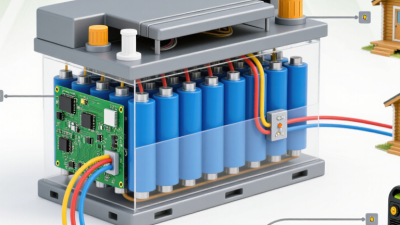
Inside the pack, lithium iron phosphate cells are managed by a battery management system, or BMS. It monitors cell voltage and temperature, and can stop charging or discharging when readings move beyond set limits. Check the permitted charging temperature, continuous current rating, and communication options before pairing the battery with an inverter. A heater may be needed in cold locations. Cable size and connection quality matter, too; a warm terminal after sustained use deserves attention. Small details count.

For example, a 2 kW load draws roughly 42 amps at 48 volts before conversion losses. Real demand is higher on the DC side when an inverter is involved. Capacity alone does not reveal whether a battery can handle a motor’s brief startup surge. Read the discharge limits and test the intended setup under realistic conditions. The label is useful, but it is not the whole story. Even a well-specified battery can disappoint if ventilation, wiring, or charging settings are overlooked.

Key Specifications and Performance Factors

A 48V 160Ah LiFePO4 battery stores about 8.19 kWh under nominal conditions. However, usable energy is lower after reserve limits, temperature effects, and inverter losses. Check the actual voltage range, not only the label. A well-designed battery usually includes a battery management system with overcharge, over-discharge, short-circuit, and temperature protection.

Current capability strongly affects performance. For many applications, a 100A continuous discharge rating is practical, while higher loads require stronger cells, busbars, and cooling. Confirm the permitted charging current, peak current duration, and inverter compatibility. Cycle life claims should state test conditions, such as depth of discharge, temperature, and remaining capacity. Without these details, the number can sound impressive but remain difficult to compare.

Installation experience also reveals important differences. Stable cell matching, accurate state-of-charge measurement, and low-temperature charging protection improve daily reliability. Communication options, including CAN or RS485, may simplify inverter monitoring. Ask the supplier for cell test records, production traceability, safety documentation, and independent performance data. The 8.19 kWh calculation is useful, but it is not the whole story. One overlooked cable connection can create heat. A careful supplier should explain such weaknesses clearly, even when the answer is inconvenient.

How to Evaluate Chinese Battery Suppliers

A 48V 160Ah LiFePO4 battery is a substantial purchase, so supplier evaluation should go beyond a polished product page. Ask for a datasheet that states nominal voltage, usable capacity, continuous current, operating temperature, and cycle-life test conditions. A cycle-life figure means little without its test temperature, depth of discharge, and end-of-life threshold. Details matter.

Check how the supplier verifies each unit. Request sample test records, cell traceability information, and a clear description of battery management protections. Ask what happens if a sample’s measured capacity differs from its specification. A vague answer is worth noting.

Evaluate communication through specific questions. Can the team explain charging limits and recommend cable sizing for your planned load? Ask for packaging dimensions, shipping weight, warranty terms, and the process for handling a fault. Compare written answers with the documents provided; inconsistencies may signal gaps in quality control. Even careful checks cannot remove every risk, and a factory visit or independent inspection may not fit every budget. That trade-off deserves honest consideration.

Manufacturing Quality, Safety, and Certification Standards

China Best 48V 160Ah LiFePO4 Battery Supplier?

Manufacturing Quality, Safety, and Certification Standards

A dependable 48V 160Ah LiFePO4 battery starts with consistent cell matching. Cells should be checked for capacity, voltage, and internal resistance before assembly. Small differences can grow during repeated charging and discharging. The battery management system also needs careful testing. It should monitor temperature, voltage, and current, then respond to abnormal conditions. Ask suppliers how they verify these functions on finished packs, not only on individual components. Good records matter.

Safety is built into both design and production. Look for insulated connections, secure busbars, clear wiring layouts, and an enclosure suited to the intended environment. Ask whether the product has been evaluated against relevant safety and transport standards for its market. Certification documents should match the exact battery model; a general certificate may not prove that a specific configuration was tested. Factory audits and batch traceability can add useful evidence, though paperwork alone cannot replace inspection. That distinction is easy to overlook.

Tips: Request a sample test report, the certification scope, and warranty terms. Check whether the report identifies the same capacity, voltage, and casing you plan to buy. Ask how rejected cells are handled. Then review a production sample with a qualified technician. A supplier’s answers should be specific and consistent. If details remain unclear, pause. Even a polished factory tour may not reveal every weakness, and buyers should be willing to revise their assumptions when test results disagree with sales claims.

Choosing a Supplier for Your Application and Support Needs

China Best 48V 160Ah LiFePO4 Battery Supplier?

Choosing a supplier starts with your application, not a product page. A 48V 160Ah battery stores about 7.68 kWh under nominal conditions. Your inverter, motor, and daily load profile determine whether that capacity is suitable. Ask the supplier for verified data at your working temperature and discharge rate. Test results matter more than attractive cycle-life claims.

A reliable supplier should explain its battery management system clearly. Check protection settings, communication options, balancing performance, and low-temperature charging controls. CAN or RS485 access can simplify system monitoring. Request cell traceability, production records, and independent safety test reports. Factory experience is valuable, but practical application knowledge matters more. Ask how the team handles installation questions, firmware issues, and unexpected alarms.

Support should be measurable. Confirm response times, warranty procedures, spare-part availability, and remote troubleshooting methods. A useful supplier can review wiring diagrams before shipment. It may also provide a commissioning checklist and discharge-test guidance. Do not choose only by price. A low quotation can hide weak documentation or slow support. That is easy to underestimate. I would also ask for a sample unit before a larger order, because specifications sometimes look better on paper than in real operation. Even experienced buyers can miss this detail.

Choosing a 48V 160Ah LiFePO₄ Battery Supplier for Your Application

A 51.2V nominal, 160Ah battery stores approximately 8.19kWh of nominal energy (51.2V × 160Ah). The bars show estimated energy available at selected depths of discharge, assuming ideal conditions. Actual usable energy depends on the battery’s specifications, operating conditions, and battery management system. When comparing suppliers, confirm the rated capacity, permitted depth of discharge, continuous power, certifications, warranty, and technical support for your application.