A 48 V solar system can store substantial energy, but the right battery depends on more than its headline rating. This guide to the 2026 Best 48V 160 Amp Battery for Solar Systems looks at practical factors that affect everyday performance: usable capacity, continuous discharge limits, cycle life, safety features, and warranty terms. One detail deserves careful attention. “160 Amp” may be used loosely in product listings; check the manufacturer’s datasheet to confirm whether the rating means 160 amp-hours of capacity or 160 amps of current. Those figures describe different things.
Fit matters. A battery should match the inverter’s voltage range, charging profile, and communication options, while its capacity should suit your actual loads. Think of a refrigerator cycling overnight, lights running after sunset, and cloudy weather delaying recharge. These details can change the size of storage you need. Look for clear specifications, credible test information, and support from a manufacturer that explains installation and maintenance requirements. If a listing leaves basic ratings unclear, treat that as a reason to pause—not a minor footnote. No battery is perfect. Even a strong option may be oversized, difficult to integrate, or poor value for a particular system. The sections ahead offer a grounded way to compare candidates and identify what deserves a closer look before you buy.
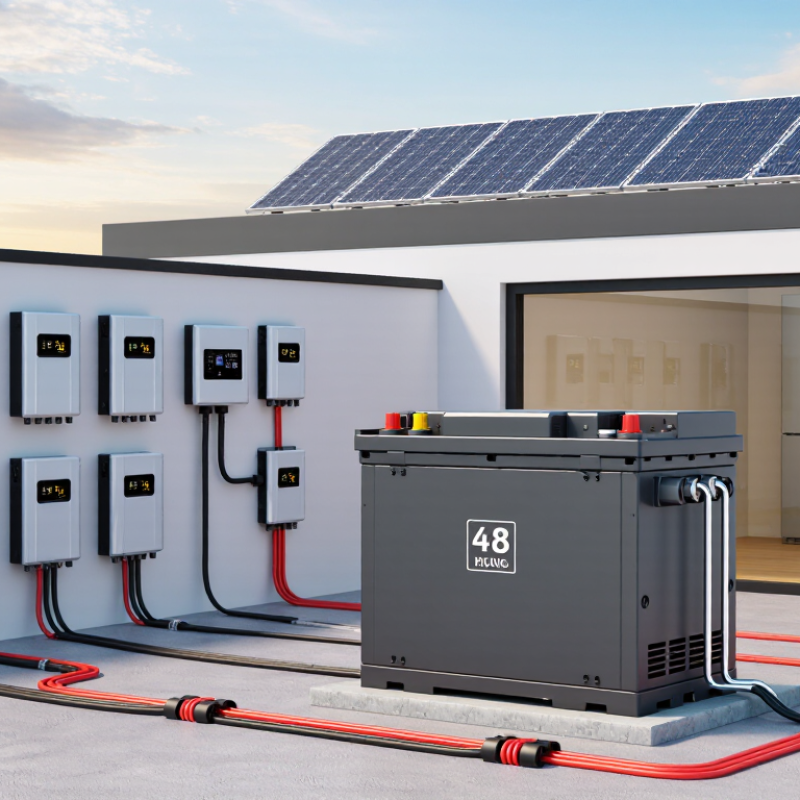
A 48V battery is designed to work with equipment built for a 48-volt system, but its actual voltage varies as it charges and discharges. Many lithium batteries sold as 48V have a nominal voltage near 51.2V. Check the inverter and charge controller specifications, not just the label. Small differences matter.
The phrase “160 amp battery” can be misleading. It may refer to 160 amp-hours (Ah), a measure of stored capacity, rather than 160 amps of output current. At 48V, a 160Ah battery holds roughly 7.7 kilowatt-hours of nominal energy. The energy available to your appliances will be lower, depending on the battery’s chemistry, operating limits, and system losses. Real use is rarely as tidy as the calculation.
Check the battery management system’s continuous current rating against the inverter’s demands. A large appliance may draw more current during startup than while running. Confirm that cables, protective devices, and charging settings suit the battery, too. On a cold morning, charging limits can change, so consult the manufacturer’s operating guidance. Leave some room in your design. A system sized exactly to an estimated daily load may feel cramped during cloudy weather or heavier-than-usual use.
A 48V, 160-amp battery can describe two different ratings. It may mean 160 amp-hours of storage, or a maximum 160-amp discharge current. Check the data sheet before sizing an inverter or estimating runtime. If the capacity is 160Ah, a 51.2V lithium battery stores about 8.2kWh nominally; usable energy is lower and depends on battery settings and inverter losses. Measure twice.
Solar compatibility depends on voltage limits, not just the “48V” label. Confirm that the battery’s operating and charging voltage ranges match the inverter and charge controller. For lithium iron phosphate models, use the specified charging profile and avoid equalization settings unless the manufacturer explicitly permits them. Check the battery management system’s continuous current rating against the inverter’s demand, especially when pumps or other motors start. Not always obvious.
Also verify communication support if the inverter relies on battery data, and follow the battery maker’s instructions for parallel connections. Cable size, fuse rating, and terminal torque matter; loose or undersized connections can heat under heavy loads. Leave space around the enclosure, keep it within its rated temperature range, and consider where service access will be practical. One overlooked detail: cold conditions may limit charging, even when the solar array is producing power. A careful compatibility check beats relying on nominal voltage alone.
A 48V, 160Ah battery stores about 7.7 kWh at nominal voltage; 160A alone describes current, not capacity. Check the specification sheet carefully. That distinction is easy to miss when comparing solar storage options. Lithium iron phosphate (LFP) batteries are often chosen for their long cycle life and relatively stable chemistry. Lead-acid batteries may cost less upfront, but typically offer less usable capacity and need more frequent replacement.
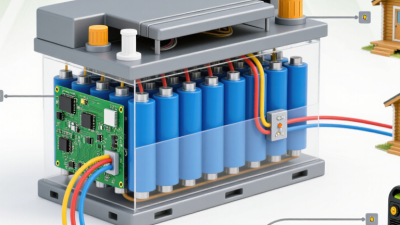
Safety depends on more than chemistry. Look for a battery management system that monitors cell voltage, current, and temperature, then disconnects the battery when readings exceed safe limits. High- and low-temperature charge protection matters in an unheated shed or a hot utility room. A fuse or breaker near the battery helps protect wiring from excessive current. The enclosure should resist dust and moisture appropriate to its installation location. Small details count.
Performance must match the rest of the system. Confirm that the inverter accepts the battery’s voltage range and can handle its continuous and surge current. Check the recommended charge current, usable capacity, and whether multiple batteries can operate together. A 48V battery may not deliver its full rated energy in daily use because reserve settings, temperature, and conversion losses reduce what reaches appliances. I would not judge a battery by cycle-life claims alone; real results depend on operating conditions, and published figures can be hard to compare. A practical test is tracking energy delivered over several ordinary days.
Typical cycle-life ranges for common battery chemistries used in solar storage. Assuming “160 Amp” means 160 Ah, a 48 V nominal battery stores approximately 7.68 kWh before accounting for usable-capacity limits.
How to read this: The bars show representative cycle-life ranges, not guaranteed ratings. Actual life depends on the specific battery, depth of discharge, temperature, charging profile, and operating conditions. For any chemistry, look for a battery management system with over-voltage, under-voltage, over-current, and temperature protections, and confirm compatibility with the solar inverter.
2026 Best 48V 160 Amp Battery for Solar Systems
How to Compare 48V 160 Amp Batteries in 2026
Start by checking what “160 amp” means on the specification sheet. If it means 160 amp-hours, a 48-volt battery stores about 7.68 kWh nominally; a 51.2-volt model stores about 8.19 kWh. If it means 160 amps of output current, it describes a different rating. Easy to confuse. Compare usable energy, not just the biggest number on the label. Depth-of-discharge limits, inverter losses, and reserve settings reduce the energy available at home.
Look closely at continuous discharge current, charge limits, temperature range, and battery-management protections. A large capacity is less useful if the battery cannot sustain your inverter’s load. NREL’s 2024 Annual Technology Baseline uses about 85% round-trip efficiency for utility-scale battery storage. IRENA’s storage analysis gives lithium-ion systems a broader 85–95% range. These are industry benchmarks, not guarantees for a specific home battery. Ask for test conditions and a usable-energy figure. Check cycle-life claims at the stated depth of discharge, plus warranty terms and cold-weather charging limits. Also verify compatibility with your inverter. Specifications can look tidy on paper; real household loads are messier.
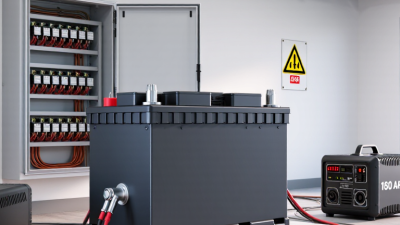
A 48 V battery installation starts with checking the exact nameplate rating. “160 amp” may describe maximum current, while 160 Ah describes stored capacity. They are not interchangeable. Confirm that the inverter’s voltage range and charging profile match the battery chemistry. Use correctly rated cables, a nearby fuse or breaker, and a disconnect. Keep terminals covered and observe polarity. Small mistakes matter.
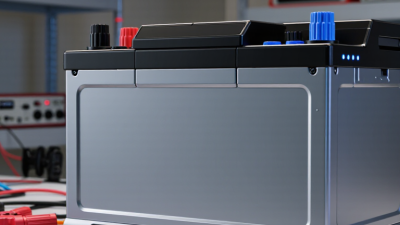
Mount the battery on a stable surface, away from direct heat and standing water. Leave clearance for inspection and follow the manual’s temperature and ventilation requirements. Have a qualified installer verify cable size, protective devices, and terminal torque. Do not guess. Monthly, check for loose connections, corrosion, swelling, unusual heat, or warning indicators. Record charge levels and outages; a simple log can reveal gradual changes. Do not open the enclosure or alter internal components.
Service life depends on temperature, depth of discharge, charge settings, and cycling. NREL’s 2024 Annual Technology Baseline uses a 15-year lifetime assumption for utility-scale lithium-ion storage. That is a planning benchmark, not a household guarantee. In real systems, poor ventilation or frequent deep discharge can shorten useful life. Battery monitoring may show declining capacity, but readings are not perfect. Compare performance over time, and arrange testing if runtime drops noticeably.