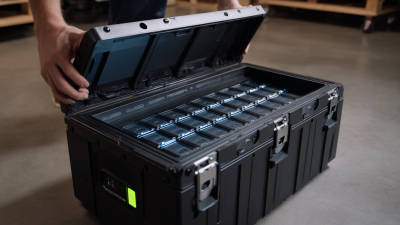
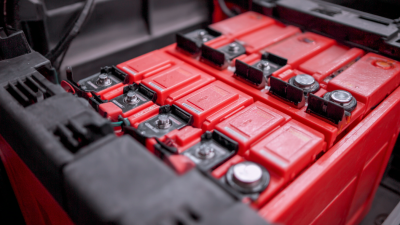
Exploring the Advantages of 51.2 V 160ah Lithium Batteries for Sustainable Energy Solutions
The rising demand for sustainable energy solutions has led to significant advancements in energy storage technologies, particularly in the realm of lithium batteries. Among these innovations, the "51.2 V 160ah Lithium" battery stands out due to its high efficiency and robust performance. According to a report by the International Energy Agency, energy storage capacity is projected to grow more than sevenfold by 2030, driven by the increasing adoption of renewable energy sources. Lithium batteries, including the 51.2 V 160ah variant, not only offer enhanced energy density and longevity but also contribute to reducing carbon emissions in various applications—from solar power systems to electric vehicles. The integration of such advanced battery solutions is essential for achieving a sustainable energy future, supporting grid stability and promoting the use of clean energy technologies on a global scale.
Understanding the Basics of 51.2 V 160ah Lithium Batteries
The 51.2 V 160ah lithium batteries are becoming increasingly vital in the pursuit of sustainable energy solutions. These batteries are distinguished by their high energy density, which allows for longer usage times and increased efficiency in energy storage systems. Their capabilities make them an excellent choice for various applications, ranging from renewable energy systems to electric vehicles and high-performance machinery.
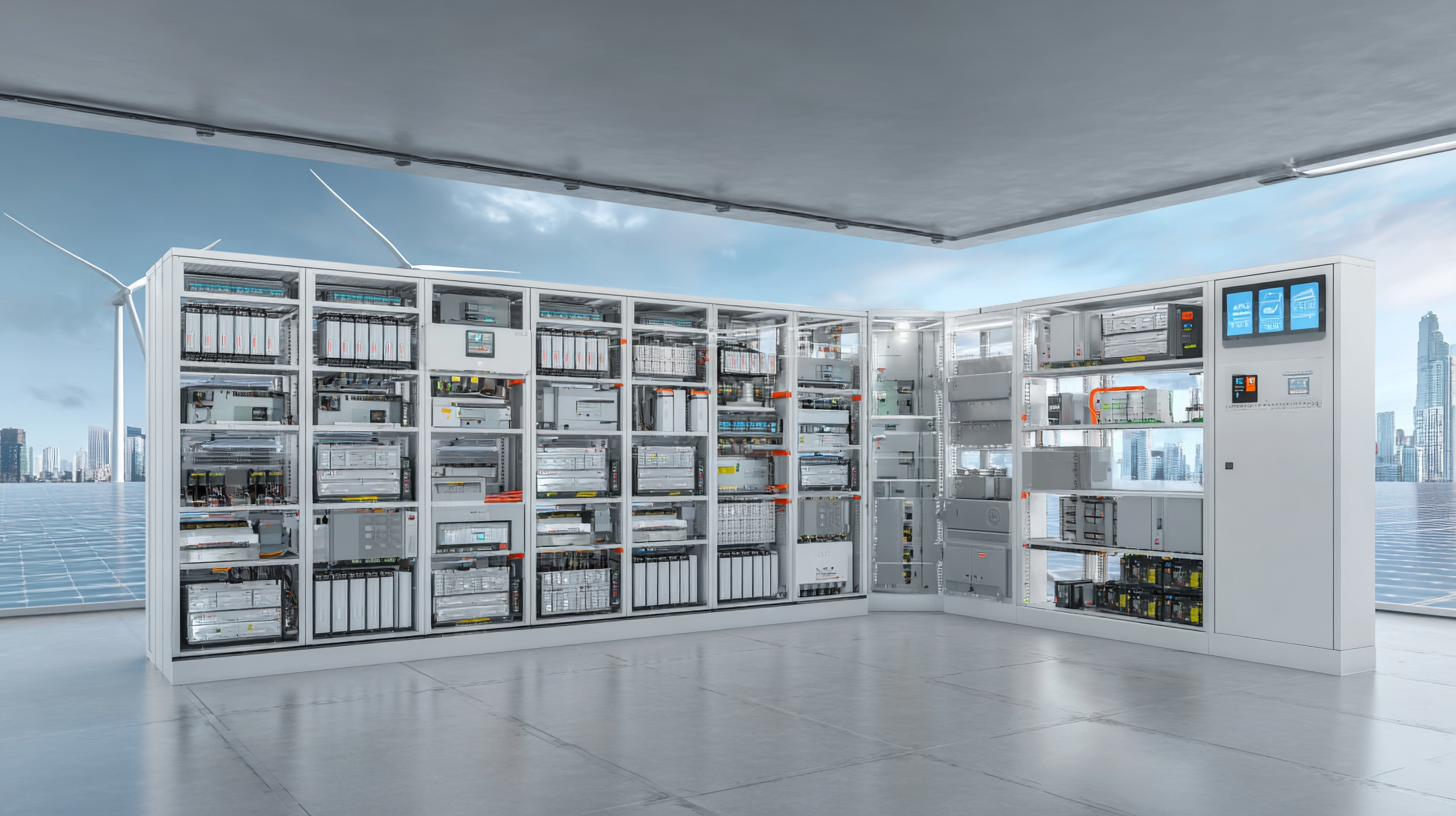
A recent innovation in this realm includes the latest electric boom lifts, which leverage advanced lithium battery technology. These lifts showcase the advantages of 51.2 V 160ah batteries, as they provide the reliability and performance needed for high-demand operations. With improved safety features and efficient power management, these lifts exemplify how modern battery technology is paving the way for greener, more sustainable energy solutions across multiple industries. The integration of such technology not only enhances operational capabilities but also aligns with global initiatives aimed at reducing carbon footprints and promoting sustainability.
Key Benefits of Lithium Battery Technology for Sustainable Energy
The transition to sustainable energy solutions increasingly relies on advanced technologies, with lithium battery systems, particularly the 51.2 V 160ah variants, emerging as key players. These lithium batteries offer notable advantages, such as higher energy density and longer life cycles compared to traditional lead-acid batteries. According to industry reports, lithium-ion batteries can operate efficiently for over 2,000 cycles, maintaining up to 80% capacity, significantly surpassing the typical lifespan of lead-acid batteries, which diminish faster over time. This characteristic not only leads to cost savings but also supports sustainability by reducing waste associated with battery disposal.
As renewable energy sources dominate the electricity market, the integration of reliable energy storage solutions becomes critical. Long-duration energy storage systems, including enhanced lithium technologies, are projected to play a pivotal role in stabilizing energy supply in the face of variable renewable generation. Research indicates that the implementation of smarter energy storage solutions could lead to a reduction in greenhouse gas emissions by up to 50% in the next decade. Furthermore, advancements in lithium battery recycling are set to maximize resource efficiency and minimize environmental impact, thereby aligning with the global drive towards a circular economy in energy storage technology. As countries like Japan explore alternatives like sodium batteries, the progression of lithium technologies remains vital to achieving carbon neutrality goals and enhancing energy security worldwide.
Exploring the Advantages of 51.2 V 160ah Lithium Batteries for Sustainable Energy Solutions
| Feature |
Description |
Benefit |
| High Energy Density |
Lithium batteries offer a higher energy density compared to traditional batteries. |
Allows for longer use time and reduced weight for applications. |
| Long Cycle Life |
Typically provides 2000 to 5000 charge-discharge cycles. |
Reduces replacement frequency and overall costs over time. |
| Fast Charging |
Lithium batteries can be charged at a much faster rate than lead-acid batteries. |
Minimizes downtime and increases efficiency in energy use. |
| Lightweight |
Lithium batteries are significantly lighter than other types of batteries. |
Easier to handle and transport, beneficial for mobile applications. |
| Low Self-discharge Rate |
Lithium batteries lose charge slower than other batteries when not in use. |
Better for long-term storage and reliability. |
| Environmental Benefits |
Lithium batteries are more environmentally friendly and recyclable. |
Supports sustainability initiatives and reduces hazardous waste. |
Comparative Analysis: Lithium Batteries vs. Traditional Energy Storage
The comparative analysis of lithium batteries versus traditional energy storage solutions highlights significant advantages for lithium technology, particularly in the realm of renewable energy integration. Lithium-ion batteries, known for their high energy density and efficiency, enable enhanced performance in applications such as smart electric vehicle (EV) charging systems. Recent studies show that lithium-ion batteries can achieve up to 90% efficiency in energy delivery, substantially outperforming conventional lead-acid options, which typically hover around 70%-80%. This superior efficiency is critical in grid-tied systems, where rapid energy storage and release are vital for balancing supply and demand.
Moreover, advancements in lithium battery technology are consistently pushing the boundaries of performance and sustainability. A recent review discussed the use of secondary batteries, emphasizing their role in creating a sustainable energy matrix. The analysis demonstrated that with appropriate management and recycling strategies, lithium-ion batteries have a significantly lower environmental impact over their lifecycle compared to traditional batteries. Additionally, ongoing research into solid-state batteries indicates they could further revolutionize the market by providing even greater energy density and safety, potentially disrupting both lithium-ion and traditional storage technologies. As the energy landscape evolves, the shifting paradigm towards lithium batteries is becoming increasingly evident, positioning them as the backbone of future energy solutions.
This chart provides a comparative analysis of the energy density of various energy storage solutions. The 51.2V 160Ah lithium battery demonstrates significantly higher energy density compared to traditional options such as lead acid and nickel-metal hydride batteries.
Applications of 51.2 V 160ah Batteries in Renewable Energy Systems
The 51.2 V 160 Ah lithium batteries are increasingly becoming a cornerstone of renewable energy systems due to their impressive performance and reliability. These batteries are particularly well-suited for applications in solar energy storage, where they can efficiently store excess energy generated during peak sunlight hours. This capability allows users to utilize stored energy during times of low sunlight, optimizing energy consumption and reducing reliance on the grid.
In addition to solar systems, these lithium batteries also find applications in wind energy solutions. By integrating 51.2 V 160 Ah batteries into wind farms, energy can be captured and stored during high wind conditions, ensuring a consistent energy supply. This flexibility is essential for balancing energy demands and maintaining system efficiency, especially in areas where renewable energy generation is variable.
**Tip:** When choosing lithium batteries for your renewable energy system, consider the depth of discharge (DoD) and cycle life of the battery. A higher DoD means you can use more of the battery's capacity without damaging it, while a longer cycle life translates to better long-term cost savings. Additionally, ensure compatibility with your inverter and other system components to maximize performance.

Future Trends in Lithium Battery Development for Eco-Friendly Solutions
As the global landscape shifts toward sustainability, the development of lithium battery technology is becoming increasingly pivotal. Recent industry conferences, such as the 2023 New Energy Industry Annual Conference, have highlighted emerging trends in energy storage technologies and their vital role in the transition to eco-friendly solutions. The importance of collaborative strategies among companies is paramount; these partnerships foster innovation in battery technology, infrastructure improvements, and the efficient use of resources. For instance, the growth of electric motorcycles and scooters underscores the potential market expansion for sustainable energy applications.
The focus on lithium battery advancements, particularly high-capacity variants like the 51.2 V 160ah models, represents a significant step towards achieving greener energy solutions. Industry analysts note that as electric vehicles (EVs) gain traction, lithium batteries will be at the core of this evolution, with a remarkable influence on both cost and performance.
The drive for energy efficiency aligns with the urgent need to cut carbon emissions, especially in regions heavily reliant on fossil fuels. As the energy transition gains momentum, the role of innovative battery technologies in shaping a cleaner, more sustainable future cannot be overstated.