Top 10 Benefits of 48v 150amp Lithium Batteries?
In today's world, energy efficiency is critical. The 48v 150amp Lithium battery emerges as a game changer. This powerful battery offers numerous advantages that cannot be overlooked.
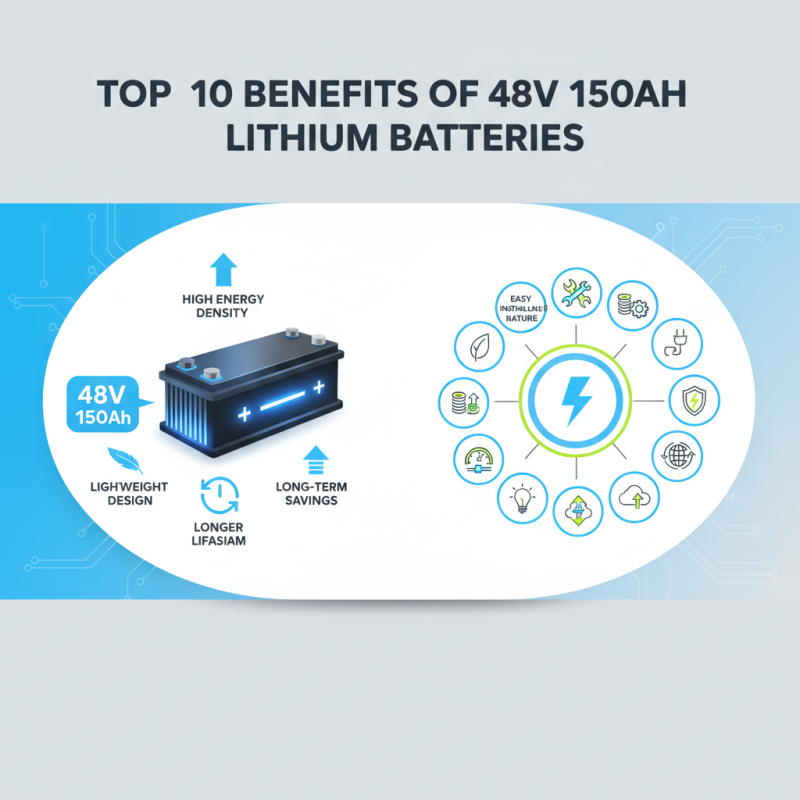
One significant benefit of the 48v 150amp Lithium battery is its lightweight design. Compared to traditional batteries, it’s significantly easier to handle. This feature makes installation a breeze for both professionals and enthusiasts. Additionally, its high energy density ensures longer usage times. Users can enjoy extended cycles without frequent recharging. The battery’s longevity coupled with its sustainable nature truly sets it apart.
However, it’s essential to acknowledge some considerations. While the initial investment might be higher, the long-term savings can be substantial. Understanding the specifics can help users make informed choices. The benefits of the 48v 150amp Lithium battery are evident, yet they require careful reflection and analysis of individual needs.
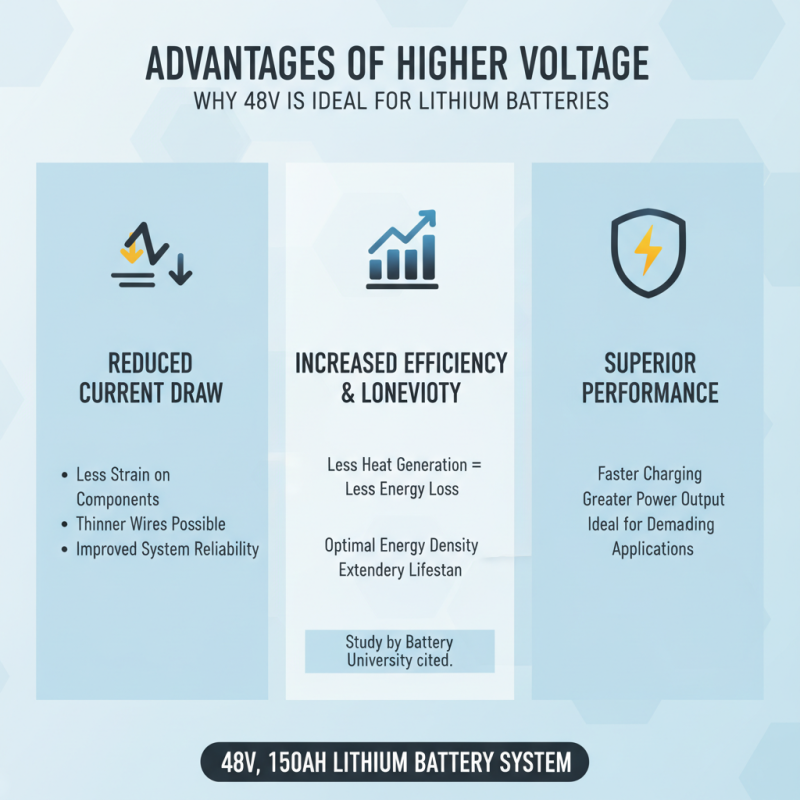
Advantages of Higher Voltage: Why 48V is Ideal for Lithium Batteries
Higher voltage lithium batteries are gaining popularity. A 48V, 150amp lithium battery offers substantial benefits. For starters, the higher voltage reduces current draw. This leads to less heating and improves overall efficiency. According to a study by Battery University, operating voltage impacts energy density and longevity. Higher voltage systems typically exhibit better performance metrics.
Higher voltage also allows for lightweight designs. The overall size and weight of wiring are reduced. This is crucial for applications like electric vehicles and renewable energy systems. The energy conversion efficiency improves as well. A report by the International Energy Agency indicates that using higher voltage systems can enhance overall energy efficiency by up to 15%.
Tip: Always consider the specific needs of your application. Assess weight versus power output carefully. Not every project requires a 48V system. Sometimes, a lower voltage solution may be more efficient.
The upfront cost of 48V systems can be higher. But the long-term savings are undeniable. Maintenance can be less frequent due to reduced heat generation. However, potential buyers should weigh initial investment against expected lifetime performance. Battery management systems are essential for all lithium batteries, particularly as voltage increases. Ensuring proper management mitigates risks associated with higher energy outputs.
Understanding the Power Output: The Significance of 150 Amps
When discussing the power output of a 48V 150amp lithium battery, the significance of 150 amps cannot be overstated. This impressive current output supports high-demand applications, including electric vehicles, renewable energy systems, and industrial machinery. A study by the Energy Storage Association indicates that such batteries can handle peak loads, making them ideal for dynamic energy demands.
With a continuous discharge capability of 150 amps, these batteries provide substantial power for extended periods. This is crucial in scenarios like off-grid solar systems, where reliability is key. For instance, powering large appliances requires a steady and robust energy supply. The surge capability of these batteries is often underrated. It can deliver bursts of power, catering to sudden spikes in demand without compromising performance.
However, there are challenges. High current levels can lead to heat buildup, which may affect battery lifespan. Manufacturers suggest proper thermal management techniques and regular maintenance to ensure optimal performance. Exploring user experiences reveals a range of outcomes. Some praise their efficiency, while others highlight concerns about the cost and weight. The balance between performance and practicality is still a topic for discussion among users and engineers alike.
Top 10 Benefits of 48v 150amp Lithium Batteries
| Benefit |
Description |
Power Output (Amps) |
Applications |
| High Efficiency |
Lithium batteries have higher energy density and efficiency compared to lead-acid batteries. |
150 Amps |
Renewable Energy Systems |
| Long Lifespan |
They typically last longer than traditional batteries, providing more cycles. |
150 Amps |
Electric Vehicles |
| Lightweight |
Lithium batteries are much lighter than conventional batteries, improving portability. |
150 Amps |
Portable Electronics |
| Fast Charging |
They can be charged quickly, significantly reducing downtime. |
150 Amps |
Drones |
| Low Maintenance |
Require less maintenance than other types of batteries. |
150 Amps |
Backup Power Systems |
| High Discharge Rate |
Can deliver high power outputs instantly, suitable for high-demand applications. |
150 Amps |
Electric Bicycles |
| Temperature Tolerance |
Better performance in extreme temperatures compared to lead-acid batteries. |
150 Amps |
Solar Energy Storage |
| Eco-Friendly |
Have a lower environmental impact since they are recycled more easily. |
150 Amps |
Green Technology |
| Versatile Applications |
Suitable for a wide range of applications, from vehicles to stationary storage. |
150 Amps |
Various Industries |
| Safety Features |
Built-in safety circuits reduce risks of overheating and short-circuiting. |
150 Amps |
Consumer Electronics |
Improved Energy Efficiency: How Lithium Batteries Optimize Performance
Lithium batteries have revolutionized energy storage, particularly in high-demand applications. Improved energy efficiency is one of their standout benefits. A 48V 150 amp lithium battery can deliver up to 95% charge-discharge efficiency. This means less energy waste and better performance in real-world scenarios. Industry studies show that systems using lithium batteries can reduce operational costs by up to 30% compared to lead-acid counterparts.
One striking feature of lithium batteries is their lightweight design. Weighing considerably less than traditional batteries, they simplify installation and reduce the load on equipment. This feature is particularly beneficial in mobile applications like electric vehicles and solar energy systems. However, the complexity of battery management systems raises concerns. Users must balance performance with maintenance to avoid potential inefficiencies.
Lithium batteries also offer longer life cycles, typically lasting over 5,000 charge cycles. This longevity translates to fewer replacements and lower long-term costs. Yet, the initial investment may deter some users. It is essential to analyze the trade-offs between upfront costs and long-term savings. Overall, lithium batteries represent a significant leap in energy technology, driving the future of efficient energy usage.
Longevity and Durability: The Lifespan of 48V 150 Amp Lithium Batteries
Lithium batteries are known for their impressive longevity. The 48V 150 amp variant exemplifies this trend. These batteries can last for years, often outpacing their lead-acid counterparts by a significant margin. Users report lifespans exceeding 3000 charge cycles. This means fewer replacements and reduced long-term costs. Longevity equals reliability in various applications, from renewable energy to electric vehicles.
Durability is another essential feature of 48V 150 amp lithium batteries. They are designed to withstand harsh conditions. High temperatures, humidity, and vibrations pose less of a threat. This durability means they maintain performance over time. However, not all batteries will perform flawlessly under extreme conditions. Some may degrade faster than expected. Users need to ensure proper maintenance and installation to maximize lifespan.
In addition, environmental factors can influence battery life. Humidity and temperature fluctuations can lead to reduced efficiency. Battery management systems help alleviate some of these issues. Still, the onus is on the user to monitor their performance actively. This attention to detail can make a significant difference in longevity and durability.
Versatility in Applications: Where These Batteries Shine in Use
Lithium batteries, specifically 48v 150amp models, offer remarkable versatility across various applications. From electric vehicles to renewable energy systems, these batteries excel in performance. They are compact yet powerful, allowing for easy integration into different setups. The high discharge rate is suitable for high-powered devices. This capability makes them ideal for solar energy storage as well.
In boating and recreational vehicles, they provide consistent energy without the weight of traditional batteries. Battery management systems can optimize their usage. This ensures longevity and performance. A common oversight is underestimating the need for proper maintenance. Always check connections and battery health regularly.
Consider storage conditions for these batteries. Extreme temperatures can affect performance. It's essential to create an environment that is stable and secure. Regular inspections can prevent unexpected failures. The benefits are clear but require responsible usage. Understanding your power requirements is key. This can prevent potential issues and maximize efficiency.