Why Switching to a Golf Cart Lithium Battery Can Enhance Your Performance and Savings
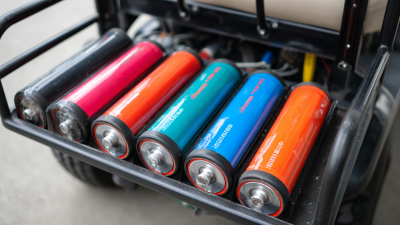
Switching to a Golf Cart Lithium Battery can significantly improve both performance and savings for golfers and golf course operators alike. As the demand for sustainable and efficient power solutions in the golf industry rises, lithium batteries have emerged as a superior choice compared to traditional lead-acid batteries. According to a recent report by the National Golf Foundation, nearly 70% of golf courses are exploring innovative technologies to enhance their operational efficiency, making it essential for golfers to consider the advantages of upgrading their carts.
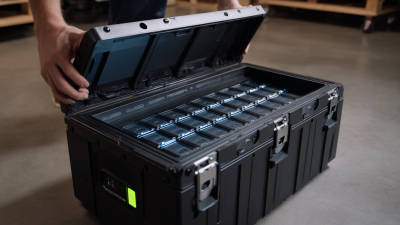
One of the most compelling reasons for this transition is the longevity of Golf Cart Lithium Batteries. Industry data shows that lithium batteries can last up to five times longer than their lead-acid counterparts, offering approximately 2,000 to 5,000 charging cycles before needing replacement. This not only reduces the frequency of battery changes but also significantly lowers the overall cost of ownership. Furthermore, these batteries provide greater energy density, translating to longer run times and faster charging times—important factors for maintaining performance on the course.
In addition to these performance benefits, Golf Cart Lithium Batteries are also more environmentally friendly. As golfers and course managers become more eco-conscious, the adoption of lithium technology aligns with sustainability goals. With lower toxic emissions and a reduced carbon footprint, upgrading to lithium batteries is not just a smart financial decision but also a responsible choice that supports a greener future in golf.

Benefits of Lithium Batteries for Golf Carts: Performance and Efficiency
Switching to lithium batteries can significantly enhance the performance and efficiency of golf carts, providing notable benefits for both users and manufacturers. With the U.S. electric golf cart market projected to grow from USD 529.4 million in 2024 to USD 886.7 million by 2033, at a compound annual growth rate (CAGR) of 6.05%, the demand for higher-performing batteries is on the rise. Lithium batteries are known for their superior energy density, enabling longer run times and faster charging compared to traditional lead-acid batteries. This efficiency translates to less downtime and more enjoyable overall experiences for golf cart users.
Additionally, the lifecycle of lithium batteries is significantly longer, often lasting up to five times as long as their lead-acid counterparts. This longevity not only reduces the frequency of replacements but also lowers the total cost of ownership over time. As golf courses and individual users increasingly recognize these advantages, the shift toward lithium battery solutions in the electric golf cart sector becomes more pronounced. Importantly, this transition supports sustainability efforts within the industry, as lithium batteries are generally more environmentally friendly in their production and disposal.
Cost Savings: Long-Term Financial Advantages of Switching to Lithium
Switching to lithium batteries for your golf cart can significantly impact your long-term financial health, making it a wise investment for any avid golfer. According to a report by the Battery University, lithium batteries last up to five times longer than traditional lead-acid batteries. This increase in lifespan not only reduces the frequency of replacements but also minimizes maintenance costs, which can save golfers hundreds to thousands of dollars over time.
Furthermore, lithium batteries are known for their superior energy efficiency. Research from the National Renewable Energy Laboratory indicates that lithium-ion batteries can deliver up to 90% of their stored energy, compared to only 50-70% for lead-acid batteries. This means that golfers can enjoy longer rides on the course without the need for frequent recharging, ultimately leading to lower energy costs. Over a span of several years, the savings on energy and replacement costs can substantially outweigh the initial investment, making the switch to lithium not just an upgrade in performance but a smart financial move as well.
Enhanced Durability: Why Lithium Batteries Outlast Traditional Options
When it comes to powering golf carts, the choice of battery can significantly impact both performance and longevity. Lithium batteries stand out due to their enhanced durability compared to traditional lead-acid options. This durability is a key factor, as lithium batteries tend to last longer under the same conditions, providing consistent performance that minimizes downtime and maintenance costs. Their ability to handle a greater number of charge cycles without degrading makes them a more reliable choice for avid golfers who rely on their carts.
In addition to their impressive lifespan, lithium batteries are built to withstand extreme temperatures and varying environmental conditions. This resilience ensures that they perform well in both high and low temperatures, making them ideal for a range of golf course climates. Moreover, their lightweight design leads to improved speed and handling of the golf cart. As energy-efficient solutions continue to gain traction across various applications, transitioning to a lithium battery for your golf cart can significantly enhance not only your on-course experience but also your overall savings in the long run.
Lightweight Design: How Lithium Improves Cart Handling and Speed
Switching to a lithium battery for your golf cart can significantly improve its handling and speed, thanks primarily to the lightweight design of lithium technologies. Unlike traditional lead-acid batteries, lithium batteries are remarkably lighter, which means your golf cart can achieve higher speeds and better maneuverability. This reduction in weight allows for a more agile driving experience, enhancing your performance on the course.
**Tips:** To maximize the benefits of a lithium battery, ensure your cart is properly balanced. A well-distributed weight will help maintain stability during fast turns. Additionally, consider upgrading your tires for improved traction, which can further amplify the advantages of a lighter cart.
Another crucial aspect to consider is the quick charging capability of lithium batteries. This can keep your golf cart running longer without downtime. The faster charging time means you can enjoy more uninterrupted rounds of golf. As you make the switch, remember to regularly maintain the battery's health to ensure optimal performance and longevity.
**Tips:** Invest in a good quality charger designed for lithium batteries to avoid any potential damage. Also, check the connections regularly to prevent any performance dips because of loose wiring.
Environmental Impact: The Sustainability Benefits of Lithium Technology
The transition to lithium technology in battery solutions, particularly in applications like golf carts, embodies a significant environmental advancement. Lithium batteries are not only more efficient but also offer a reduced ecological footprint compared to traditional lead-acid batteries. As global demand for sustainable solutions escalates, adopting lithium batteries can play a crucial role in minimizing carbon emissions and enhancing the circular economy. Their lifecycle advantages, including extended usage and recyclability, position them as a preferable choice in striving toward a greener future.
As countries like Chile pursue sustainable lithium extraction strategies, it’s vital to address the balance between resource demand and environmental preservation. The lithium sector presents challenges and opportunities: while extracting this vital mineral, stakeholders must prioritize practices that mitigate adverse impacts on ecosystems. Innovations in lithium sourcing and processing can redefine standards in sustainability, ensuring that progress does not come at the cost of environmental well-being. The shift towards lithium technology highlights the intersection of engineering and environmental stewardship, paving the way for a more sustainable and resilient infrastructure that can effectively meet contemporary challenges.
Impact of Lithium Batteries vs. Lead-Acid Batteries
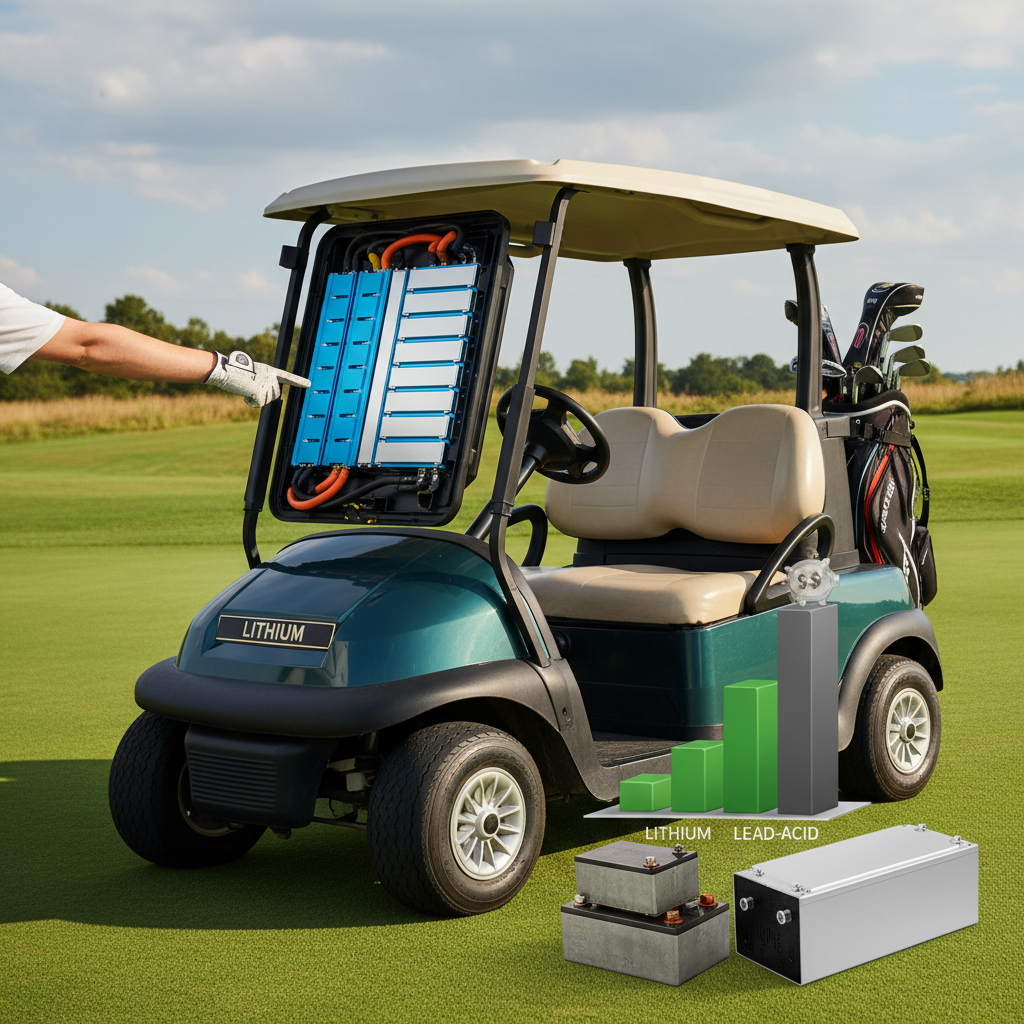
This chart illustrates the comparison of key performance metrics between Lithium Batteries and Lead-Acid Batteries often used in golf carts. The metrics include weight, lifespan, and cost. Lithium batteries, while initially more expensive, offer better lifespan and weight advantages, leading to potential savings and performance enhancements over time.