Unlocking Efficiency: The Impact of 48V 300 Amp LFP Batteries on Renewable Energy Storage Solutions
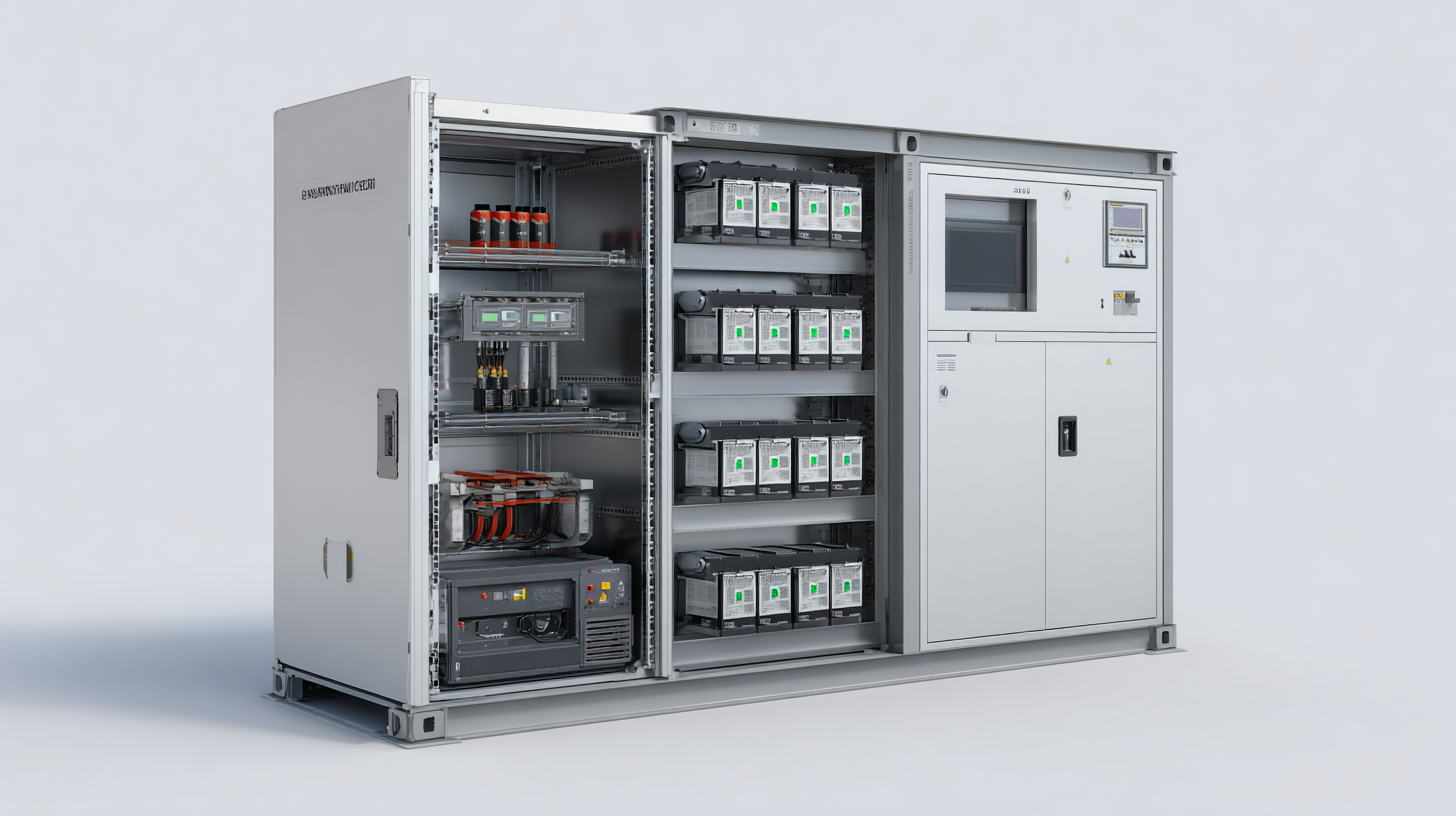 In recent years, the urgency of integrating renewable energy sources into our energy infrastructure has never been more pronounced. With the global shift toward sustainable alternatives, efficient energy storage solutions have become a critical focus for industry specialists. The advent of 48V 300 Amp LFP batteries represents a groundbreaking advancement in this sector, enabling not only improved energy management but also enhancing the reliability of renewable energy systems. According to a report by the International Renewable Energy Agency (IRENA), global renewable energy capacity increased by 10.3% in 2020, underscoring the need for robust energy storage technologies to support this growth.
Renowned energy storage expert Dr. Emily Carter states, “The introduction of 48V 300 Amp LFP batteries will not only revolutionize energy storage but also pave the way for more resilient and sustainable energy systems.” Her insights emphasize the adaptability and efficiency of these batteries, which are designed to meet increasing energy demands while minimizing environmental impact. With their advantageous characteristics, including longer life cycles and lower maintenance needs, 48V 300 Amp LFP batteries are poised to become a cornerstone in the transition towards a more sustainable energy landscape.
As industries strive for greater efficiency, the deployment of 48V 300 Amp LFP batteries will play a pivotal role in shaping the future of energy storage solutions, ultimately leading to a cleaner, more sustainable world. Their integration represents not just a technological improvement but also a strategic necessity in harnessing the full potential of renewable energy sources.
The Rise of 48V 300 Amp LFP Batteries in Renewable Energy Storage
The demand for efficient energy storage solutions has led to the rise of 48V 300 Amp Lithium Iron Phosphate (LFP) batteries, which are gaining traction in both residential and commercial renewable energy systems. These batteries stand out due to their reliability, safety, and longevity compared to traditional lead-acid batteries, which can suffer from shorter life spans and high maintenance needs. As solar energy integration becomes more common, LFP batteries provide an ideal solution to store energy generated during peak sunlight hours, thereby enhancing overall system efficiency.
**Tips:** When selecting a battery for your renewable energy storage system, consider the depth of discharge (DoD) and cycle life to understand how they will perform over time. LFP batteries typically allow for deeper discharges and longer lifespans compared to lead-acid options, which can significantly reduce replacement costs in the long run.
Furthermore, the versatility of 48V 300 Amp LFP batteries makes them suitable for various applications, from home energy storage systems to larger commercial energy solutions. As the market continues to evolve, it’s important to keep an eye on technological advancements and new product launches that could further enhance the performance and capabilities of renewable energy storage solutions.
Unlocking Efficiency: The Impact of 48V 300 Amp LFP Batteries on Renewable Energy Storage Solutions
This chart illustrates the growing capacity and efficiency of 48V 300 Amp Lithium Iron Phosphate (LFP) batteries in renewable energy storage from 2020 to 2023. The data reflects the increased adoption of these battery systems in various applications within the renewable energy sector.
Exploring the Efficiency Gains of High-Capacity Battery Systems
The advent of high-capacity battery systems such as the 48V 300 Amp Lithium Iron Phosphate (LFP) batteries is revolutionizing renewable energy storage. These batteries not only deliver substantial energy density but also enhance lifecycle longevity, with studies indicating that LFP batteries can achieve over 5000 cycles due to their thermal stability and safety features. A report from Bloomberg New Energy Finance highlights that the incorporation of LFP technology can potentially decrease battery costs by up to 25%, further incentivizing their use in large-scale storage applications.
By harnessing the efficiency gains of these high-capacity batteries, businesses can optimize their energy consumption. As renewable energy sources experience intermittent generation, the ability to store excess energy for later use becomes pivotal. Research by the International Renewable Energy Agency (IRENA) asserts that increased energy storage capacity could lead to a 30% reduction in energy costs for companies relying on renewable inputs.
**Tip:** When considering the incorporation of high-capacity batteries, evaluate the total cost of ownership rather than just the upfront purchase price. This includes installation, maintenance, and potential energy savings over time.
**Tip:** Regularly monitor the performance metrics of your battery system. Proper management ensures that you maximize the efficiency and lifespan of your battery investment, adapting to changing energy demands smoothly.
Advantages of LFP Technology for Sustainable Energy Solutions
Lithium Iron Phosphate (LFP) batteries are rapidly gaining traction as an ideal solution for renewable energy storage, significantly enhancing the efficiency of energy systems. Their inherent safety features and thermal stability make them a reliable choice for storing energy generated from solar and wind sources. Unlike other lithium-ion technologies, LFP batteries offer a longer lifespan, allowing for increased charge cycles without substantial degradation. This durability translates to lower lifecycle costs, making them economically attractive for both residential and commercial renewable energy installations.
Moreover, the 48V 300 Amp configuration of LFP batteries presents a compelling advantage for scalable energy storage solutions. This specific voltage and current rating ensure compatibility with a variety of renewable energy systems, facilitating seamless integration. By leveraging LFP technology, energy storage systems can offer higher energy density and efficiency, which is crucial for maximizing the output from renewable sources. Consequently, LFP batteries not only support sustainability initiatives but also contribute to the overall resilience of energy infrastructure, paving the way for a transition towards a greener future.
Integrating 48V Batteries with Existing Renewable Energy Infrastructure
The integration of 48V 300 Amp Lithium Ferrous Phosphate (LFP) batteries into existing renewable energy infrastructure represents a significant advancement in energy storage solutions. These batteries provide a robust and efficient option for storing energy generated from sources such as solar and wind. With their high energy density, lightweight characteristics, and enhanced safety features, 48V LFP batteries can effectively optimize the energy output from renewable systems, ensuring smooth operation even during periods of low generation.
Moreover, the compatibility of 48V batteries with current energy systems allows for seamless upgrades without necessitating extensive changes to existing setups. This adaptability not only reduces installation costs but also enables a more sustainable transition towards energy independence. By harnessing the capabilities of these advanced batteries, renewable energy systems can bolster their reliability and efficiency, meeting the growing energy demands while minimizing reliance on fossil fuels. The integration process also enhances the grid's resilience, paving the way for a more sustainable and secure energy future.
Future Trends in Renewable Energy Storage: The Role of Advanced Battery Systems
The shift towards advanced battery systems, particularly 48V 300 Amp LFP batteries, is pivotal in shaping the future of renewable energy storage. The increasing demand for effective energy management solutions, such as Vehicle-to-Home (V2H) systems, highlights the necessity for innovative technologies that can optimize energy distribution and storage. With the V2H market projected to grow from $9.358 million in 2024 to approximately $532.59 million by 2032, at a remarkable compound annual growth rate of 24.28%, it's clear that battery innovation is at the forefront of this transformation.
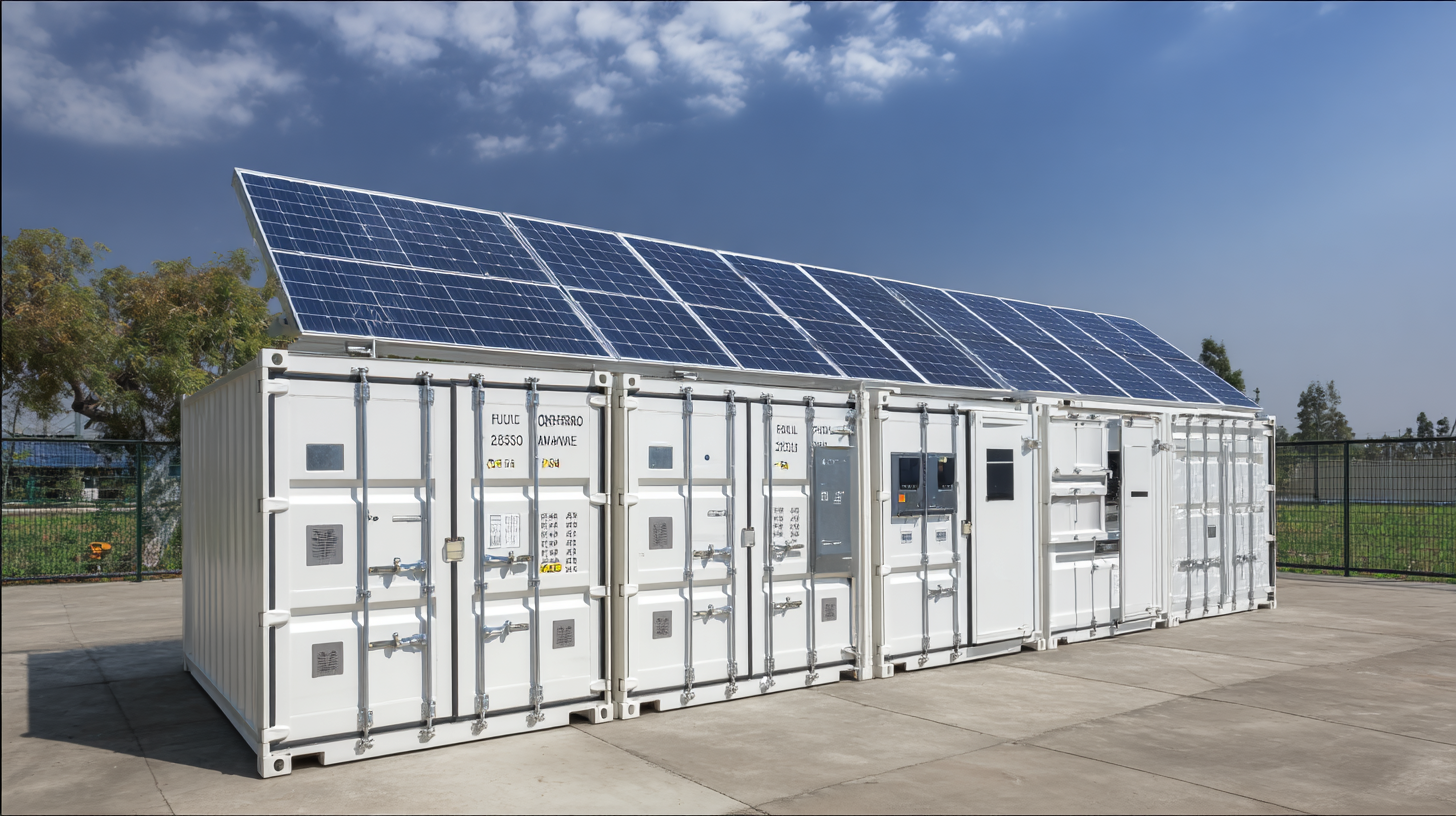
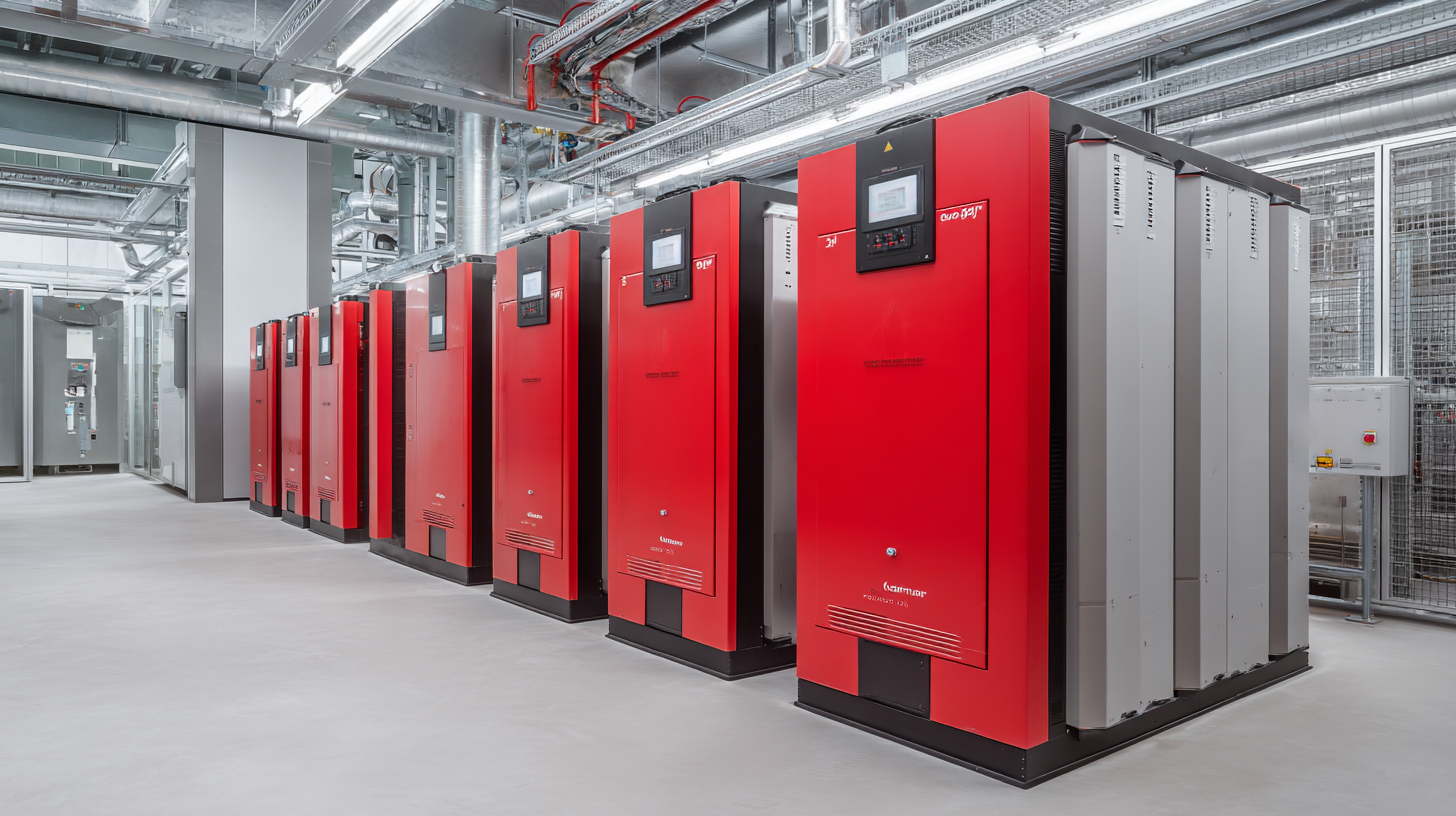
Moreover, the global renewable energy storage market is experiencing significant growth, anticipated to surpass $1 trillion by 2032. As energy investments surge, advanced battery systems will play a crucial role in enhancing the efficiency and reliability of renewable energy sources. This trend is further supported by the anticipated growth of containerized energy storage systems, expected to rise from $14.69952 billion in 2024 to $55.12791 billion by 2032. The advancements in battery technology not only promise enhanced storage capacity but also unlock new possibilities for sustainable energy solutions, ultimately driving the energy transition and reducing dependence on fossil fuels.