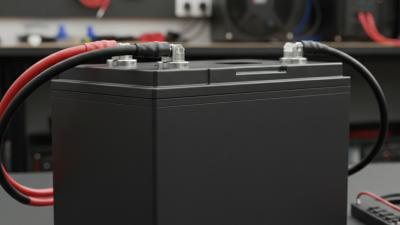
Best 48 Volt 300 Amp Lithium LFP Batteries for Reliable Power Solutions?
In today’s ever-evolving energy landscape, selecting the right battery is crucial. The demand for reliable power solutions drives innovation in battery technology. Among various options, the "48 Volt 300 Amp Lithium LFP" batteries stand out for their performance and efficiency.
These batteries utilize lithium iron phosphate (LFP) chemistry. This technology enhances safety and longevity. Users appreciate their stability and low maintenance needs. They are ideal for various applications, from renewable energy systems to electric vehicles. However, users must consider their specific requirements before investing. Factors such as capacity, weight, and cost play a significant role.
While the "48 Volt 300 Amp Lithium LFP" batteries boast impressive specs, they may not suit everyone's needs. Some users report issues with sizing and compatibility with existing systems. It’s essential to reflect on personal energy needs and usage patterns. A well-informed decision can lead to better outcomes and satisfaction in the long run.
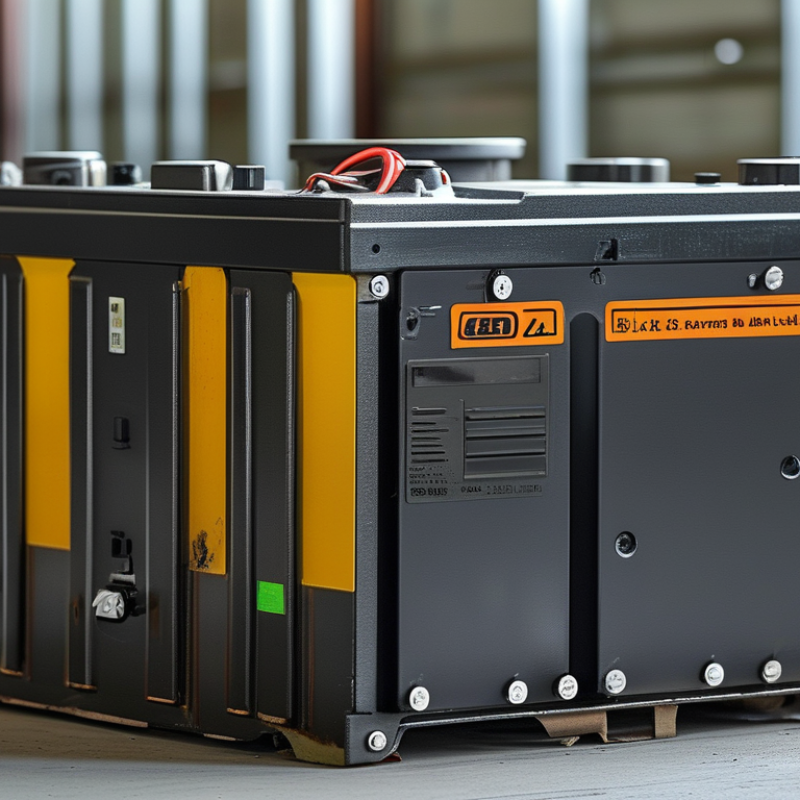
Overview of 48 Volt 300 Amp Lithium LFP Batteries
The demand for reliable energy storage solutions has surged in recent years, particularly for 48 Volt 300 Amp Lithium LFP batteries. These batteries are attractive for both commercial and residential applications. According to recent industry reports, Lithium Iron Phosphate (LFP) technology offers superior cycle life and thermal stability. The average cycle life can exceed 5,000 cycles, making them a long-term investment.
LFP batteries also have a higher tolerance for high temperatures compared to standard lithium-ion batteries. This characteristic significantly reduces the risk of thermal runaway, a critical safety concern in energy storage. Data from the International Energy Agency highlights that the market for lithium batteries is expected to grow exponentially, with compound annual growth rates surpassing 20% in certain sectors. However, new users should consider the initial investment costs, which can be substantial and vary widely.
Despite the benefits, there are challenges associated with using 48 Volt 300 Amp LFP batteries. Their weight and size can complicate installations, especially in space-constrained environments. Users must also navigate compatibility with existing systems. Proper understanding and planning can help mitigate these challenges, ensuring these batteries deliver the power reliability they promise.
Key Features of Lithium LFP Batteries for Reliable Power Solutions
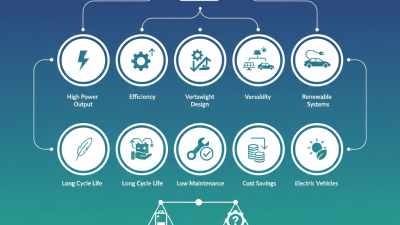
Lithium LFP (Lithium Iron Phosphate) batteries have become a popular choice for reliable power solutions. Their longevity and stability make them ideal for various applications. According to a recent industry report, these batteries can last up to 3,000 charge cycles, significantly longer than traditional lead-acid batteries. This durability translates into lower replacement costs over time.
A crucial feature of Lithium LFP batteries is their thermal stability. They can operate safely across a broad temperature range. This is important for environments with extreme weather conditions. Additionally, they exhibit low self-discharge rates, ensuring that energy is available when needed. A survey indicated that users experienced a 20% increase in efficiency due to this characteristic alone.
However, not all Lithium LFP batteries are created equal. Some manufacturers may cut corners in materials, affecting performance. It is essential to choose reputable sources for optimal safety and efficiency. Users should also remain aware of potential degradation over time, even with high-quality products. Understanding these factors is vital. It aids in making informed decisions for reliable power solutions.
Benefits of Using 48 Volt 300 Amp Lithium LFP Batteries
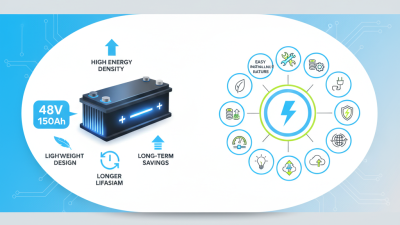
The use of 48 Volt 300 Amp lithium LFP batteries is becoming increasingly popular in various sectors. One major benefit is their high energy density, which allows for significant power output in a compact size. According to a report from the International Energy Agency, lithium iron phosphate (LFP) batteries exhibit a cycle life exceeding 3,000 cycles. This durability makes them ideal for applications in renewable energy storage and electric vehicles.
Moreover, LFP batteries are known for their thermal stability. They operate safely without the risk of thermal runaway, a common concern in battery technology. Data shows that LFP batteries maintain performance in high temperatures, making them suitable for demanding environments. However, potential users should note that while they boast safety and longevity, their energy density may not match that of other lithium-ion counterparts. This trade-off can impact total runtime and efficiency.
Another key advantage lies in their low environmental impact. LFP batteries are typically more recyclable than other lithium technologies. This durability translates to less waste and a smaller carbon footprint. Yet, the initial cost of these batteries can deter some users. Understanding the long-term savings versus upfront costs is essential for effective decision-making.
Applications of 48 Volt 300 Amp Lithium LFP Batteries in Various Industries
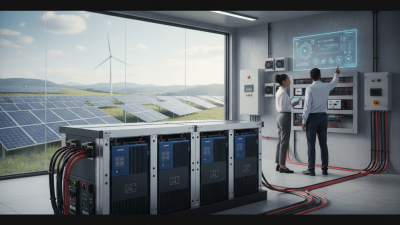
The demand for 48 Volt 300 Amp Lithium LFP batteries is increasing across various industries. These batteries offer a reliable power solution due to their high energy density and long life cycle. In renewable energy systems, they store power efficiently, especially from solar and wind sources. A recent industry report indicated that the global market for lithium-ion batteries will reach approximately $100 billion by 2025, driven by these applications.
In electric vehicles, these batteries enhance performance and range significantly. They provide quick charging capabilities and have a higher cycle life compared to traditional lead-acid batteries. This translates to lower maintenance costs and more sustainable operations. Some companies now report using LFP batteries to improve the energy management in their fleets.
Tips: Regularly monitor battery health to ensure optimal performance. Avoid complete discharges, as this can degrade battery life. Consider temperature control systems to enhance efficiency and safety. As industries evolve, the challenges of recycling and disposal remain. Balancing innovation with sustainable practices is critical for long-term success.
Best 48 Volt 300 Amp Lithium LFP Batteries for Reliable Power Solutions
| Application |
Industry |
Voltage (V) |
Current (A) |
Capacity (Ah) |
Weight (kg) |
Cycle Life |
| Solar Energy Storage |
Renewable Energy |
48 |
300 |
30 |
45 |
2000 |
| Electric Vehicles |
Automotive |
48 |
300 |
30 |
55 |
3000 |
| Backup Power Systems |
Telecommunications |
48 |
300 |
30 |
50 |
1500 |
| Marine Applications |
Marine |
48 |
300 |
30 |
60 |
2500 |
| Uninterruptible Power Supply (UPS) |
Data Centers |
48 |
300 |
30 |
70 |
3500 |
Comparison of Leading Brands in 48 Volt 300 Amp Lithium LFP Batteries
When it comes to choosing a reliable 48 Volt 300 Amp Lithium LFP battery, the competition is fierce among various brands. Research shows that Lithium Iron Phosphate (LFP) batteries have gained popularity due to their safety and longevity. According to a report by the International Energy Agency, LFP batteries can last over 5,000 cycles, making them ideal for applications requiring durability and reliability.
In recent comparisons, brands have shown varying energy density and charging speeds. Some brands demonstrate a charging efficiency of up to 95%, while others fall below 90%. Also, factors like temperature tolerance can vary significantly. Batteries performing well in high heat conditions can maintain capacity without significant degradation.
However, not all batteries are created equal. Some leading options may have performance inconsistencies under specific loads. Users have reported life cycles that do not match advertised longevity in real-world conditions. This emphasizes the importance of thorough research and testing before making a decision. Detailed comparisons based on capacity, cycle life, and environmental conditions are essential for consumer awareness.