Exploring the Benefits of Using 51.2 V 160ah Battery in 2026?
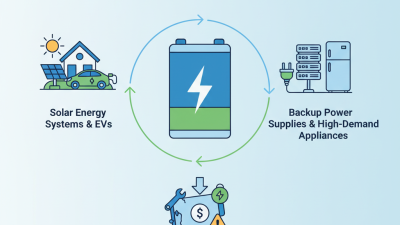
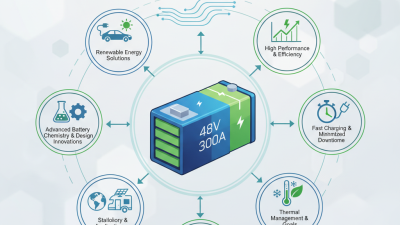
The 51.2 V 160ah Battery is set to revolutionize the energy storage landscape by 2026. With advancements in battery technology, this lithium-ion solution offers remarkable efficiency and reliability. Its design allows for a higher energy density, making it suitable for various applications, from renewable energy systems to electric vehicles.
One major benefit of the 51.2 V 160ah Battery is its longevity. This battery is engineered to endure more charge cycles than its predecessors. Users can expect reduced replacement costs over time. However, it’s worth noting that the initial investment may seem high. Evaluating long-term savings is crucial for potential buyers.
Moreover, the versatility of the 51.2 V 160ah Battery cannot be overlooked. It integrates seamlessly with solar setups and off-grid systems. Yet, users must consider their specific needs before making a purchase. While the battery promises significant benefits, every energy solution has its limitations. A careful analysis is essential to maximize its potential and ensure it aligns with your energy goals.
Exploring the Energy Density of 51.2 V 160ah Batteries in 2026
The energy density of batteries is crucial for various applications. In 2026, the 51.2 V 160ah battery will likely stand out. Its density impacts how much energy can be stored in a compact space. Higher energy density means more power for electric vehicles and renewable energy systems.
With advancements, these batteries may offer improved performance. Users may note their longevity and how they require less frequent charging. This feature could save time and enhance efficiency for daily use. However, one must consider potential limitations like weight and heat generation in high-demand scenarios.
**Tips:** Monitor battery temperature during usage. Ensure proper ventilation. Regular maintenance checks can help enhance battery lifespan. User experiences can vary, so always validate claims through research and testing.
The Advantages of Lithium Iron Phosphate Chemistry in 51.2 V Batteries
Lithium Iron Phosphate (LiFePO4) batteries are gaining popularity, especially in various energy storage systems. Their unique chemistry offers several notable advantages. For instance, they provide enhanced thermal stability, making them safer under high temperatures. This thermal safety means lower risks of fires in applications like solar energy storage. Additionally, LiFePO4 batteries have a long lifespan, which is appealing for users looking for durable energy solutions.
Another beneficial aspect is the environmental impact. Lithium Iron Phosphate batteries are less toxic compared to other lithium-based chemistries. This makes them a more eco-friendly option for energy storage. With ongoing technological advancements, these batteries are becoming more efficient. However, there are challenges too. Their lower energy density compared to Lithium Cobalt Oxide can lead to heavier systems. This may limit their application in specific contexts.
Using 51.2 V 160Ah configurations allows for higher capacity and efficiency. Flexibility in installation can accommodate different needs. Still, users should consider their specific energy requirements and space limitations when choosing battery systems. Overall, the advantages of Lithium Iron Phosphate technology suggest it will play a significant role in the future of energy storage solutions.
Exploring the Benefits of Using 51.2 V 160ah Battery in 2026
| Feature |
Description |
Advantages |
| Voltage |
51.2 V |
Optimal for high-power applications |
| Capacity |
160 Ah |
Longer usage time per charge |
| Battery Chemistry |
Lithium Iron Phosphate (LiFePO4) |
High thermal stability and safety |
| Cycle Life |
2000+ cycles |
Cost-effective over time |
| Weight |
Lightweight design |
Easier installation and transport |
| Temperature Range |
-20°C to 60°C |
Versatile for various climates |
| Environmental Impact |
Non-toxic materials |
Eco-friendly choice |
Evaluating Cycle Life and Charge Efficiency of 51.2 V 160ah Batteries
The evaluation of cycle life and charge efficiency for 51.2 V 160Ah batteries reveals significant advantages in energy storage applications. Research indicates that these batteries can average over 4,000 cycles under optimal conditions. This lifespan is critical for renewable energy integration, offering reliable performance over many years. The extended cycle life reduces the frequency of replacements and minimizes waste.
Charge efficiency is also noteworthy. Studies show that these batteries can achieve charge efficiencies exceeding 95%. This means less energy is wasted during the charging process, leading to more sustainable energy usage. High charge efficiency also contributes to faster turnaround times for devices using the battery, enhancing usability in various applications.
However, challenges exist. Real-world performance may vary due to temperature fluctuations and usage patterns. The actual cycle life can drop significantly under harsh conditions. Understanding these limitations is crucial for industries relying on these batteries. Analytical reports suggest that regular monitoring can optimize battery performance and longevity.
Exploring the Benefits of Using 51.2 V 160ah Battery in 2026
This bar chart evaluates key performance metrics of the 51.2 V 160ah battery, including cycle life, charge efficiency, depth of discharge, and temperature range. The data provides insights into the longevity and efficiency of battery usage in various applications.
Market Trends: Adoption Rates of 51.2 V 160ah Batteries in Renewable Energy
The adoption of 51.2 V 160ah batteries in renewable energy is on the rise. As the world pushes for sustainable solutions, this battery technology provides a reliable energy storage option. Its high capacity supports various applications, from solar energy systems to electric vehicles. Users appreciate the longevity and efficiency these batteries offer.
In recent years, market trends show increasing interest in renewable energy solutions. Many industries are transitioning to cleaner energy sources. The rate of battery adoption reflects a growing confidence in renewable technologies. However, challenges still exist. Initial costs can be a barrier for some consumers.
Consumers often seek educational resources before committing. Understanding battery technology is essential. Misinformation can lead to misunderstandings about performance. It is crucial to analyze reliability and maintenance requirements carefully. Proper research ensures informed choices that contribute to a sustainable future.
Cost-Benefit Analysis of Using 51.2 V 160ah Batteries in 2026
In 2026, the significance of using a 51.2 V 160ah battery cannot be overstated. These batteries offer a remarkable combination of power and efficiency. Their capacity allows for extended usage times, which is increasingly essential for various applications. They support renewable energy systems, electric vehicles, and energy storage solutions.
Conducting a cost-benefit analysis reveals both advantages and challenges. The initial investment may seem high. However, the long-term savings on energy bills can offset costs. Their lifespan often surpasses other battery types, reducing replacement frequency. This durability contributes to lower waste and environmental impact. Still, users need to consider maintenance and recycling options to enhance sustainability.
While the 51.2 V 160ah batteries are promising, they are not without flaws. Performance can sometimes depend on environmental factors like temperature. Additionally, proper installation and usage guidelines must be followed for optimal results. Ensuring your investment aligns with your specific needs is crucial. As technology evolves, staying informed and adaptable will be essential for maximizing benefits.