What is 51.2 V 160ah Lfp Batteries and Why Choose Them?
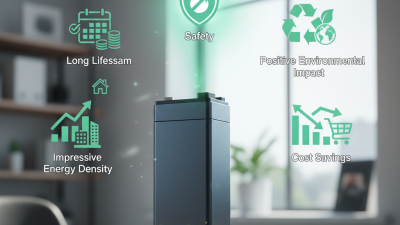
In recent years, the demand for efficient energy storage has soared. Among the various options available, the 51.2 V 160ah Lfp Batteries stand out for their unique features. These batteries offer not only impressive capacity but also enhanced stability. Their lithium iron phosphate chemistry ensures safety, making them suitable for various applications.
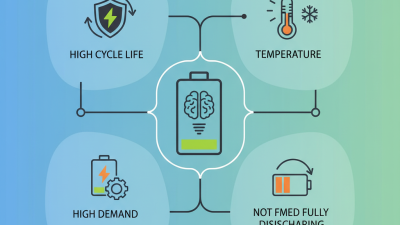
Choosing the right battery can be overwhelming. Many users worry about performance and longevity. Understanding the specifications of 51.2 V 160ah Lfp Batteries is essential. These batteries provide remarkable charge cycles, extending their useful life significantly. They are ideal for renewable energy systems, electric vehicles, and off-grid applications.
Despite their advantages, some may question the initial investment. It is crucial to weigh the long-term savings against upfront costs. As with any technology, there are trade-offs. Gaining a comprehensive understanding of these batteries will lead to informed decisions. Ultimately, the benefits of 51.2 V 160ah Lfp Batteries can outweigh potential drawbacks.
Understanding 51.2 V 160ah LFP Batteries: An Overview
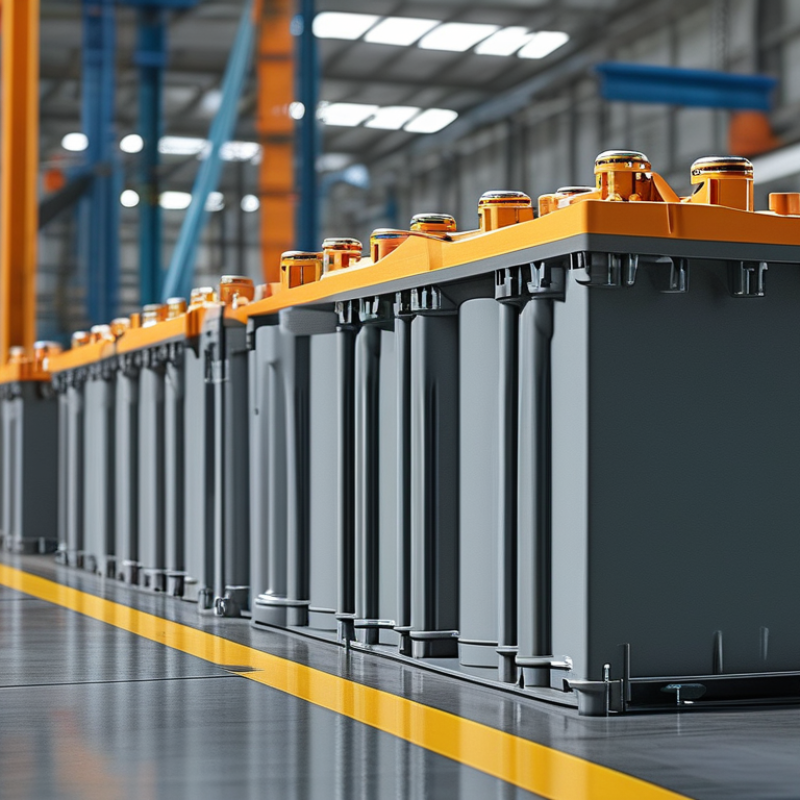
51.2 V 160ah LFP batteries are a popular energy storage solution.
They utilize lithium iron phosphate technology. This chemistry is known for safety and longevity.
These batteries can withstand multiple charge cycles without significant degradation.
They are perfect for off-grid and backup power systems.
The 51.2 V 160ah rating combines voltage and capacity effectively. This means they can deliver substantial power over extended periods.
Ideal applications include solar power setups and electric vehicles.
Their ability to provide consistent energy makes them reliable for daily use. Users often appreciate their low maintenance requirements.
However, it's essential to note the need for proper management systems.
While LFP batteries are not the cheapest option, their long lifespan can offset initial costs.
Some users may find the upfront investment daunting. This is where exploring various applications is essential.
Finding the right fit can lead to significant savings over time. Understanding your energy needs can make a difference.
Investing in the right battery might take time and research but yields promising results.
Key Features of 51.2 V 160ah LFP Batteries
51.2 V 160Ah LFP batteries are gaining traction in the energy storage sector. Their chemistry, lithium iron phosphate (LFP), offers enhanced thermal stability. This results in a safer and longer-lasting solution compared to other lithium-ion batteries. According to a report by BloombergNEF, LFP batteries can achieve over 2,500 cycles while maintaining a capacity of around 80%. This durability significantly reduces the total cost of ownership.
One standout feature is their high discharge current capability. This allows for efficient energy delivery in demanding situations. Industry studies suggest that LFP batteries can operate effectively at extreme temperatures, ranging from -20°C to 60°C. Such adaptability makes them suitable for various applications, including electric vehicles and renewable energy integration. However, potential users should consider weight and size factors that may limit application in specific setups.
Safety is another key aspect. LFP batteries have a lower risk of thermal runaway. They can withstand more abuse without posing a fire hazard. Yet, it's worth noting that while they offer safety, their overall energy density is lower than that of NMC (Nickel Manganese Cobalt) batteries. Users must weigh these trade-offs against their needs to find the best fit for their projects.
Battery Performance Comparison: 51.2 V 160 Ah LFP Batteries
Advantages of Choosing LFP Batteries Over Other Types
LFP (Lithium Iron Phosphate) batteries, like the
51.2 V 160Ah model, offer distinctive advantages. These batteries exhibit
excellent thermal stability and a
long lifecycle. Data shows that LFP batteries can last over
2000 cycles at full discharge. This is nearly double
that of traditional lead-acid batteries, making them a cost-effective
choice in the long run.
Safety is another pivotal factor. LFP batteries are less prone to
thermal runaway, reducing the risk of fire. Reports
indicate that they operate safely across a wider temperature range than many lithium-ion alternatives. This
reliability is crucial for applications in renewable energy systems, where battery performance directly
impacts efficiency.
While LFP batteries have a lower energy density compared to other lithium-ion solutions, they compensate with
higher longevity and stability. Users may face initial hesitance due to this trade-off. However, industry
insights affirm that the reduced need for frequent replacements often results in
better overall value. Remember, the investment in a
reliable power source is vital for sustainable
energy solutions.
Applications of 51.2 V 160ah LFP Batteries in Various Industries
51.2 V 160Ah LFP batteries offer numerous applications across various industries. Their robust design and capacity make them ideal for renewable energy systems. These batteries excel in solar energy storage, ensuring that excess energy is stored for later use. This capability enhances the efficiency of solar power systems, allowing for greater energy independence.
In the transportation sector, 51.2 V LFP batteries are gaining traction. They are used in electric vehicles and e-bikes. Their lightweight nature and high energy density promote longer travel distances. However, the charging time still poses certain challenges. It is essential to balance charging efficiency and battery life. Many manufacturers are constantly researching improvements in this area.
The telecommunications industry benefits significantly from these batteries as well. Reliable power supply is crucial for network stability. 51.2 V LFP batteries ensure continuous operation during outages. This reliability is essential, yet maintenance varies from site to site. Operators must regularly check battery health for optimal performance. Despite advancements, there are still opportunities for development in battery technology and lifecycle management.
Considerations When Selecting 51.2 V 160ah LFP Batteries for Your Needs
When selecting 51.2 V 160ah LFP batteries, consider your specific power needs. These batteries are designed for high efficiency and longer life cycles. The voltage and capacity offer a substantial energy reserve for various applications, from solar energy storage to electric vehicles.
Assess the installation space and weight limits of your setup. Larger batteries can be heavy and may require sturdy mounting structures. Also, think about temperature fluctuations that could affect performance. Optimal operating conditions enhance battery longevity.
Tips: Check compatibility with your existing system. Mismatched components can lead to inefficiency. Regularly inspect terminals and connections. Loose connections may cause power loss. Take the time to read user reviews, as real-world experiences can provide valuable insights. Every choice has its pros and cons. Reflect on past selections and adjust your criteria accordingly. Balancing cost and performance is crucial for a satisfactory purchase.