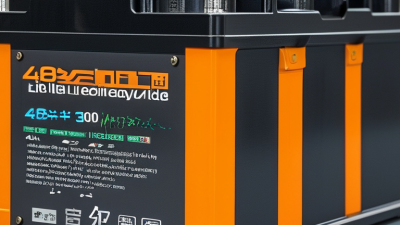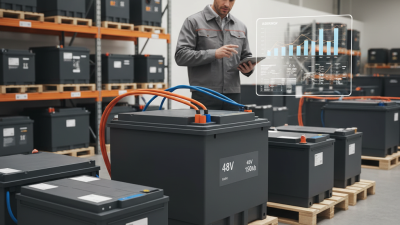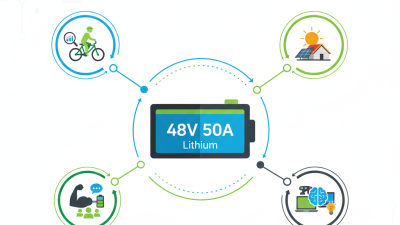
Choosing a 48V 150Ah lithium battery requires more than comparing prices and printed capacity. The phrase “48vot 150amp Lithium” may appear in online listings, but buyers should verify the product’s actual specifications. A spelling mistake can signal a careless listing. It does not always mean the battery is poor, but it deserves attention.
A typical 48V lithium battery uses a 51.2V nominal LiFePO4 system and stores about 7.68 kWh. Check the datasheet, not only the seller’s headline. Confirm the battery management system’s continuous discharge rating, peak current, low-temperature protection, and communication features. A 150Ah label means little if the BMS limits output to a small load. Check your inverter first. Its voltage range and charging profile must match the battery.
Tesla co-founder and battery-industry expert JB Straubel has said, “The battery is the most expensive component of an electric vehicle.” That idea also applies to stationary storage. The cheapest unit may cost more after early capacity loss, weak terminals, or poor support. Look for tested cycle-life data, a traceable manufacturer, clear warranty terms, and realistic operating temperatures. Ask whether the quoted cycles end at 80% capacity or a higher level. That detail matters.
Inspect the case, terminals, cables, and display before installation. Keep photographs and serial numbers. I would not trust a five-star rating alone. Some specifications remain unclear, even on respectable marketplaces. A careful buyer compares usable energy, safety protections, warranty coverage, and service quality together. The best choice is not necessarily the largest battery. It is the one that performs reliably in your actual system.
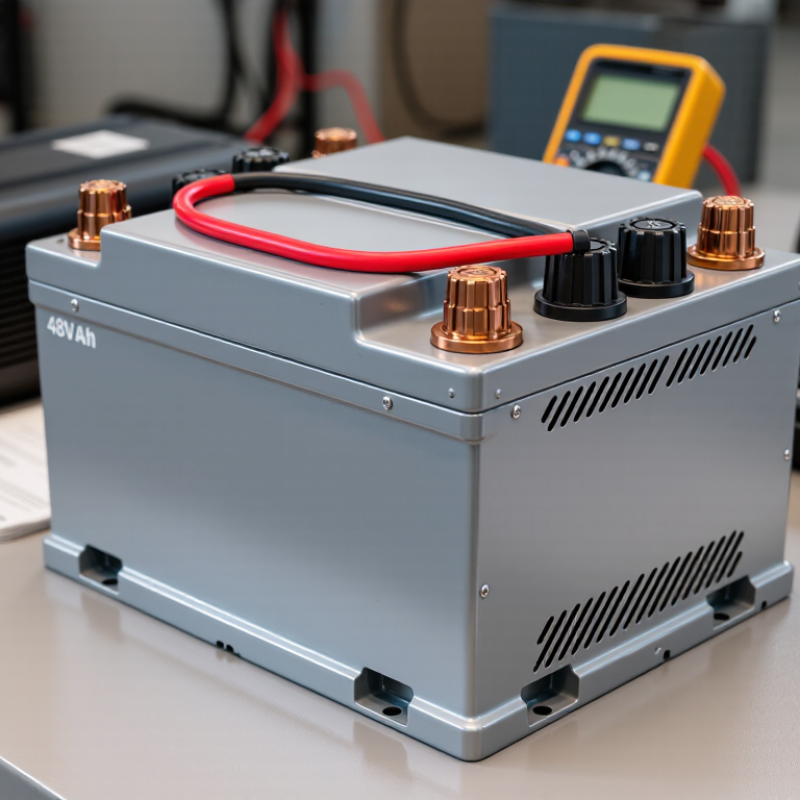
A 48V 150Ah lithium battery stores about 7.2 kWh of nominal energy. The calculation is simple: 48 volts multiplied by 150 amp-hours. Real usable energy is lower. A battery management system may reserve capacity for safety and longer service life. At an 80% usable depth of discharge, available energy becomes roughly 5.76 kWh. This can support a small cabin, backup system, electric utility vehicle, or solar installation.
The application determines whether this capacity is sufficient. A 500-watt load could theoretically run for over 11 hours, before inverter losses and temperature effects. High starting currents require careful review of the battery’s continuous and peak discharge ratings. The International Energy Agency reported that global battery demand reached 750 GWh in 2023. That growth increases choices, but product specifications still vary considerably. I have found that advertised capacity alone is not enough.
Check cycle-life testing conditions, operating temperature, charging limits, warranty terms, and certification documents. The U.S. Department of Energy notes that thermal management strongly affects battery performance and lifetime. Cable size and fuse selection also deserve attention. A weak connection can create heat near the terminals. This estimate is imperfect. Cold weather, aging, and conversion losses may reduce output further. Buyers should compare tested usable energy, not only the attractive 7.2 kWh figure.
A 48V 150Ah lithium battery stores 7.2kWh nominally: 48V × 150Ah. However, usable energy is lower after depth-of-discharge limits, inverter losses, temperature effects, and aging. A practical estimate may be 5.8–6.8kWh. Numbers can mislead.
Check the chemistry before comparing prices. Lithium iron phosphate, or LFP, generally offers strong thermal stability and long cycle life. The IEA’s Global EV Outlook 2024 reported that LFP represented about 40% of global electric-car battery demand in 2023. That data does not guarantee identical performance in stationary storage, but it shows the chemistry’s growing industry acceptance. Confirm the manufacturer’s cycle test conditions, warranty limits, and operating temperature range.
Tips: Verify whether “48V” means 48.0V or 51.2V nominal. A common LFP design uses sixteen cells, producing 51.2V nominal and approximately 58.4V at full charge. Your inverter, charger, and protection system must support those values. Check the continuous current rating, not only the peak figure. At 3kW, a 48V system draws roughly 63A after accounting for conversion losses. Measure under load. Also request an independent test report, capacity tolerance, and battery-management-system protections. I would not rely on capacity alone; a battery delivering 150Ah slowly may perform differently at 100A. That detail is easy to overlook.
A 48V 150Ah battery stores about 7.2 kWh before conversion losses. Its real lifespan depends on depth of discharge, charging temperature, and daily workload. Look for cycle testing at 80% depth of discharge, not vague laboratory claims. A rating of 4,000 cycles sounds impressive, but the testing conditions matter more. In regular use, keeping the battery between 20% and 90% charge may reduce stress. It also leaves useful reserve capacity.
Safety begins with a well-designed battery management system. It should provide overcharge, over-discharge, short-circuit, and over-temperature protection. Cell balancing is important too. Without it, one weak cell can limit the whole pack. Check for temperature sensors, a properly rated fuse, insulated terminals, and a durable enclosure. An IP rating helps in dusty or damp locations, but it does not make careless installation safe. Follow the specified charging temperature range.
Warranty coverage deserves careful reading. Confirm the full term, cycle limit, replacement process, and required maintenance records. Some warranties exclude damage from incorrect chargers, freezing temperatures, deep discharge, or unauthorized repairs. Ask whether shipping costs are covered. Keep installation photos, purchase records, and voltage logs.
I once assumed a longer warranty meant better protection; the exclusions told a different story. That was a useful mistake. A clear warranty with measurable conditions is more trustworthy than a large number in bold.
Buying a 48V 150Ah lithium battery means checking more than capacity. Its nominal energy is about 7.2 kWh, calculated from 48V × 150Ah. However, “48V” does not guarantee charger compatibility. A 16-cell lithium iron phosphate battery may require approximately 58.4V for full charging.
Confirm the battery chemistry, charging curve, connector polarity, and maximum current with the supplier’s technical sheet. A 30A charger equals a gentle 0.2C rate for this battery.
Installation also deserves careful planning. Use correctly sized cables, a nearby fuse or circuit breaker, secure terminals, and an enclosure protected from water and excessive heat. The battery management system should provide overcharge, over-discharge, short-circuit, and low-temperature protection.
NFPA 855 highlights the importance of spacing, protection, and installation controls for stationary energy storage systems. Local electrical requirements still apply.
I once focused too much on battery capacity and underestimated cable routing. That was a costly planning mistake.
Maintenance is simpler, not absent. Inspect terminals every few months, check unusual heating, and record voltage or fault warnings. Avoid charging below the battery’s stated temperature limit. BloombergNEF reported an average lithium-ion pack price of 115 dollars per kWh in 2024, but lower prices do not remove the need for safe care. Keep the battery within its recommended state-of-charge range, often around 20% to 90%, unless the manufacturer specifies otherwise. Reserve full charging for balancing or operational needs.
A 48V 150Ah lithium battery stores about 7.2kWh before conversion losses. Its purchase price is only one part of the decision. BloombergNEF’s 2024 Battery Price Survey reported an average lithium-ion pack price of 115 US dollars per kWh, but retail systems include cells, protection, casing, testing, logistics, and margin. Therefore, compare the complete installed cost, not only the battery invoice. Include an inverter, cables, fuses, mounting, shipping, taxes, and possible replacement labor. Usable energy may be lower after reserve limits and efficiency losses.
Tips: Request a line-by-line quotation. Ask for cycle-life test conditions, usable capacity, warranty exclusions, and the battery’s continuous discharge rating. A claimed 7.2kWh capacity can mislead when only 80% is recommended for daily use. Check whether communication settings match your inverter. Small details matter.
Supplier reliability needs evidence. Look for documented UN38.3 transport testing, IEC 62619 safety testing, and a quality system such as ISO 9001. These documents do not guarantee perfect field performance. They show controlled processes. The International Energy Agency reported that battery storage additions grew strongly in 2023, increasing pressure on supply chains and quality control. Ask for serial-level test records, production dates, service response times, and local spare-part plans. I would not trust a supplier offering an unusually low price without clear test documents. My earlier mistake was focusing on warranty length; the exclusions mattered more. A ten-year warranty means little if capacity, labor, and transport are poorly defined.