Why Telecom Tower Battery Backup Solutions Are Essential for Network Reliability
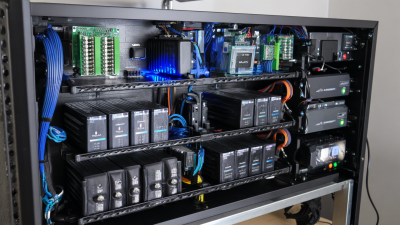
In today's fast-paced digital world, the reliability of telecommunications networks is paramount. As the demand for constant connectivity grows, so does the necessity for robust solutions that ensure uninterrupted service. Among the critical components that support network reliability are Telecom Tower Battery backup solutions. These systems play a vital role in maintaining power supply during outages and emergencies, thereby safeguarding seamless communication for end users.
The significance of Telecom Tower Batteries extends beyond mere power supply; they are essential for enhancing the resilience of network operations. With the increasing frequency of extreme weather events and natural disasters, having a reliable backup power source is no longer optional but a fundamental requirement for telecom providers. This article delves into the intricacies of Telecom Tower Battery backup solutions, exploring their functions and the indispensable role they play in ensuring continuous network performance.
By addressing the challenges faced by modern telecommunication systems and highlighting the importance of battery backup solutions, we aim to underscore how critical these technologies are in providing consistent and dependable communication services in an evolving landscape.

Importance of Battery Backup in Telecom Towers
In today's fast-paced digital landscape, the reliability of telecom networks is paramount. One critical aspect that influences this reliability is the battery backup system in telecom towers. These systems ensure that communication services can continue uninterrupted, even during power outages or disruptions. By providing a steady power supply, battery backups play a vital role in maintaining connectivity, which is essential for both emergency services and everyday communication needs.
To enhance the performance of battery backup solutions, consider these tips: First, regularly monitor battery health and perform maintenance checks to ensure optimal functionality. This proactive approach can help identify potential issues before they lead to system failures. Second, invest in advanced battery technology that provides longer life cycles and quicker recharge times. Utilizing modern batteries can significantly improve network reliability while reducing downtime during power disruptions. Lastly, ensure that your backup system is integrated with renewable energy sources, like solar power, to create a more sustainable and resilient telecom infrastructure.
By implementing robust battery backup solutions, telecom operators can provide their customers with reliable service and ensure that vital communication channels remain accessible at all times.
Key Challenges in Maintaining Network Reliability
Telecom tower battery backup solutions play a critical role in ensuring network reliability, especially in an era where connectivity is paramount. One of the key challenges in maintaining this reliability is the increasing frequency of extreme weather events. According to a report by the National Oceanic and Atmospheric Administration (NOAA), the U.S. experienced a record number of weather-related disruptions in 2020, with natural disasters spiking over 20%. These conditions can lead to extended power outages, making robust battery backup systems essential for uninterrupted service.
Another significant challenge is the growing demand for mobile data, driven by the proliferation of connected devices and the expansion of 5G networks. According to the Global Mobile Suppliers Association (GSA), mobile data traffic is projected to grow by 25% annually, necessitating reliable power sources to handle peak loads and ensure consistent network performance. Inadequate backup solutions can result in service interruptions, negatively impacting operational efficiency and customer satisfaction. Consequently, investing in advanced battery technologies and energy management systems becomes vital for telecom operators aiming to maintain high standards of service reliability amidst these challenges.
Types of Battery Backup Solutions Available
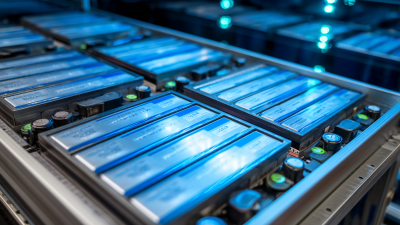
Telecom tower battery backup solutions are critical in ensuring uninterrupted network service, particularly in areas prone to power outages or adverse weather conditions. The two primary types of battery backup solutions available are lead-acid batteries and lithium-ion batteries, each with its own set of advantages. Lead-acid batteries have been the traditional choice due to their lower upfront cost and well-established technology. According to a report by MarketsandMarkets, the lead-acid battery market for telecom applications is expected to grow from $XX billion in 2020 to $XX billion by 2025, highlighting their continued relevance in the industry.
On the other hand, lithium-ion batteries are increasingly being adopted due to their superior energy density, longer life span, and reduced maintenance requirements. A report from Grand View Research indicates that the lithium-ion battery market in telecom is anticipated to exhibit a compound annual growth rate (CAGR) of over 20% from 2021 to 2028. This growth can be attributed to the demand for more efficient energy solutions that can support the increasing bandwidth requirements of modern telecommunications networks. As operators seek to enhance network reliability and minimize downtime, the shift toward advanced battery backup solutions is becoming a strategic priority.
Why Telecom Tower Battery Backup Solutions Are Essential for Network Reliability - Types of Battery Backup Solutions Available
| Battery Type |
Capacity (Ah) |
Typical Runtime (Hours) |
Application |
Advantages |
| Lead-Acid Battery |
100-200 |
4-8 |
Telecom Towers, Base Stations |
Cost-effective, Reliable |
| Lithium-Ion Battery |
50-100 |
2-4 |
Remote Locations, Urban Areas |
Long Life Cycle, Lightweight |
| Nickel-Cadmium Battery |
100-150 |
3-6 |
Rural Stations, Harsh Environments |
High Temperature Tolerance, Durable |
| Flow Battery |
200-500 |
6-12 |
Large Installations, Backup Systems |
Scalable, Long Duration |
Impact of Downtime on Telecom Operations
Downtime in telecom operations can lead to significant disruptions, affecting both service providers and their customers. The impact of network outages can be detrimental, resulting in lost revenue, decreased customer satisfaction, and erosion of trust in service reliability. For telecom companies, maintaining continuous connectivity is crucial, as even short periods of downtime can lead to a cascade of negative effects, including disrupted communication, interrupted data services, and failure in supporting essential services like emergency response systems.
Battery backup solutions for telecom towers play a vital role in mitigating the risks associated with downtime. By providing a reliable power source during outages or fluctuations in the electrical grid, these systems ensure that communication services remain operational. The implementation of robust battery backup systems not only safeguards against immediate service interruptions but also enhances the overall resilience of the telecommunications infrastructure. As demands on networks continue to grow, having dependable backup solutions is increasingly essential in supporting uninterrupted connectivity and fulfilling customer expectations for service reliability.
Best Practices for Implementing Battery Backup Systems
Implementing battery backup systems for telecom towers is critical for ensuring network reliability, particularly as the demand for uninterrupted connectivity grows. According to a report from the International Telecommunications Union (ITU), network outages can lead to significant financial losses, with an average cost of $4,000 per minute for telecom operators. This highlights the need for robust battery backup solutions that can maintain service during unexpected power disruptions.
When considering best practices for battery backup implementation, it’s essential to start with a thorough assessment of the site’s energy needs and potential outage scenarios. The Telecommunications Industry Association (TIA) recommends that operators evaluate factors such as load requirements, battery capacity, and environmental conditions. Regular testing and maintenance of backup systems are also crucial; studies have shown that timely interventions can increase system reliability by up to 30%. Additionally, integrating smart monitoring technologies can provide real-time data on battery performance, enabling proactive management and reducing the risk of outages. By adopting these best practices, telecom providers can enhance their operational resilience and safeguard their networks against power-related failures.