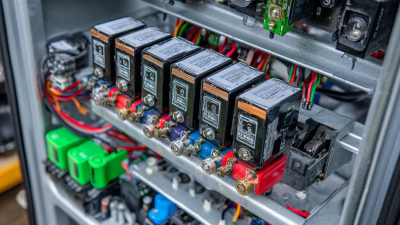
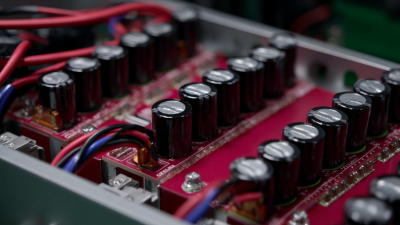
What is a Telecom Battery and How Does it Power Communication Networks
Telecom batteries play a crucial role in ensuring the reliability and efficiency of communication networks, providing the necessary power support to maintain continuous operation even in the event of grid failures. As the global demand for communication services continues to escalate, data from the Global Telecom Battery Market Report highlights that the market is projected to grow at a CAGR of 8.4% from 2021 to 2026, reflecting the increasing reliance on telecommunications infrastructure. This growth is driven by advancements in telecommunications technology, including the rollout of 5G networks and the integration of renewable energy solutions, making the role of telecom batteries even more significant.

The primary function of a telecom battery is to serve as a backup power source, ensuring that critical network operations remain uninterrupted. In regions experiencing frequent power outages, telecom batteries become indispensable, allowing service providers to maintain the integrity of their communication systems. According to a report by Technavio, the North American telecom battery market alone is expected to see a robust expansion, underlining the essential nature of these systems in supporting modern communication networks. As such, understanding the types and functionalities of telecom batteries is essential for stakeholders aiming to optimize network performance and resilience in an increasingly interconnected world.
Understanding the Role of Telecom Batteries in Communication Infrastructure
Telecom batteries play a crucial role in ensuring the reliability and stability of communication infrastructure. These batteries serve as the backbone for telecommunication networks, providing backup power during outages or disruptions in the main energy source. The constant demand for connectivity means that telecom networks must remain operational 24/7, and this is where telecom batteries come into play. Typically, they are designed to maintain a continuity of service, allowing essential communication functions to persist, even when the grid fails.
Moreover, telecom batteries need to be highly efficient and durable, as they often operate in various environmental conditions. They must retain a sufficient charge to support critical equipment like base stations and switches, which are vital for data transmission and voice communication. Different types of batteries, including lead-acid and lithium-ion variants, are often deployed based on their specific application needs, lifespan, and performance characteristics. As technology advances, the evolution of telecom battery systems continues to shape the overall efficacy and resilience of communication networks, ensuring that they can handle the increasing loads and demands placed upon them.
Types of Telecom Batteries and Their Applications in Modern Networks
Telecom batteries play a crucial role in powering communication networks, ensuring uninterrupted service during power outages and maintaining system reliability. Various types of telecom batteries cater to different operational needs in the modern digital landscape. Lead-acid batteries are widely used for their cost-effectiveness and robustness, making them suitable for backup power in many telecommunications sites. Lithium-ion batteries are gaining popularity due to their lighter weight, longer lifespan, and superior cycle performance, which is essential for high-demand environments.
In addition to these traditional options, nickel-based batteries, such as nickel-cadmium and nickel-metal hydride, are utilized for specific applications where temperature fluctuations can be a concern. Each type of battery has its nuances and applications, making it essential for network operators to evaluate and choose the appropriate one based on their requirements.
**Tip:** Always consider the total cost of ownership, including maintenance and replacement cycles, when selecting a telecom battery. This assessment can significantly impact the operational efficiency and reliability of your communication network. Additionally, implementing a monitoring system for battery health can help in optimizing performance and extending the lifespan of the batteries in use.
What is a Telecom Battery and How Does it Power Communication Networks - Types of Telecom Batteries and Their Applications in Modern Networks
| Battery Type |
Voltage (V) |
Capacity (Ah) |
Cycle Life (Years) |
Applications |
| Lead Acid |
12 |
100 |
3-5 |
Base stations, UPS systems |
| Lithium Ion |
48 |
200 |
10-15 |
Telecom networks, electric vehicles |
| Nickel Cadmium |
12 |
50 |
15-20 |
Emergency backup, industrial applications |
| Sodium-Sulfur |
100 |
1000 |
5 |
Grid energy storage, renewables integration |
| Flow Battery |
24 |
500 |
20+ |
Telecom, renewable energy storage |
How Telecom Batteries Ensure Reliability in Communication Services
Telecom batteries play a critical role in maintaining the reliability of communication services. According to a report by the International Telecommunication Union (ITU), over 3.8 billion people rely on mobile networks, making uptime and reliability essential. Power outages or disruptions could result in significant service interruptions, which is where telecom batteries become vital. Typically, these batteries are designed to provide backup power during emergencies, ensuring that communication channels remain open even in the event of a grid failure.
A study from the Telecommunications Industry Association highlights that nearly 70% of telecom operators consider backup power systems, including batteries, as indispensable to their operations. The advancement in battery technology, including the increasing adoption of lithium-ion systems, has improved the reliability and efficiency of these solutions. This shift not only enhances the performance of communication networks but also extends the operational lifespan of equipment, reducing costs associated with maintenance and equipment replacement. Ultimately, the robustness of telecom batteries underpins the entire communication infrastructure, guaranteeing swift and reliable connections in times of need.
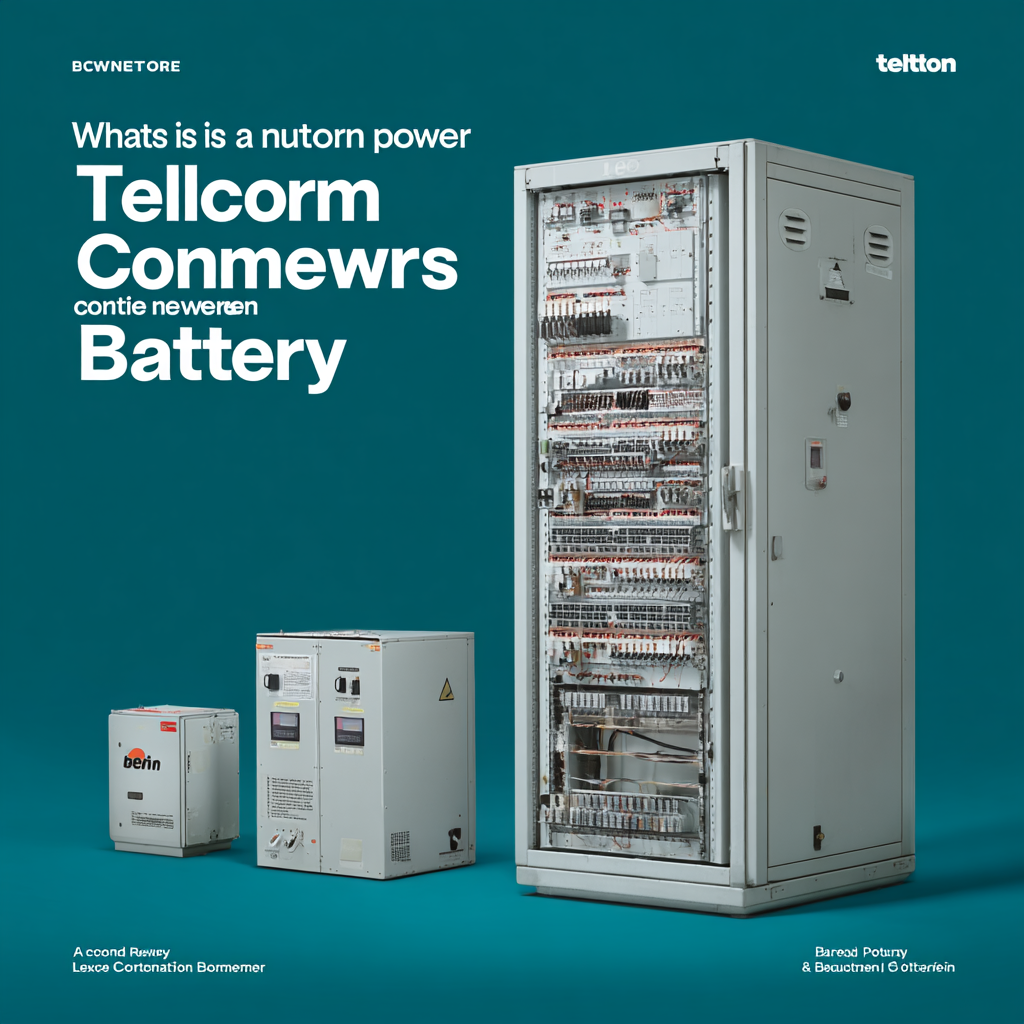
Factors Affecting Telecom Battery Performance and Lifespan
Telecom batteries play a crucial role in powering communication networks, but their performance and lifespan can be influenced by several key factors. One primary consideration is temperature. Batteries typically operate optimally within a specific temperature range; extreme heat or cold can lead to rapid degradation of battery chemistry, resulting in reduced capacity and more frequent replacements. Ensuring that telecom batteries are maintained within these ideal temperature limits is vital for improving their operational lifespan and reliability.

Another significant factor impacting telecom battery performance is the depth of discharge (DoD). Frequent deep discharges can shorten a battery's life cycle, while shallow discharges allow for longer usage periods. Operators should aim for optimal discharge practices that minimize strain on the battery, thereby enhancing its longevity. Additionally, the quality of the battery technology itself, such as the type of materials used and the design of the battery management system, can also dictate how well the battery performs in demanding telecom environments.
Regular monitoring and maintenance are essential to ensure these factors are managed effectively, allowing telecom networks to maintain consistent and reliable communication.
Future Trends in Telecom Battery Technology for Sustainable Networks
Telecom battery technology is evolving rapidly to meet the increasing demand for sustainable and reliable communication networks. As the telecommunications industry focuses on reducing its carbon footprint, innovations such as advanced lithium-ion batteries and emerging solid-state battery technologies are at the forefront. These new battery types not only offer a higher energy density but also promise longer life cycles, reducing the need for frequent replacements and minimizing waste. This is vital for powering remote base stations and ensuring uninterrupted service during grid outages or natural disasters.
Additionally, hybrid energy systems incorporating solar and wind power with telecom batteries are gaining traction. This approach not only enhances the reliability of communication networks but also supports energy autonomy, enabling operators to harness renewable sources while reducing reliance on fossil fuels. As research progresses, we can expect to see even smarter battery management systems utilizing artificial intelligence to optimize charging cycles and energy usage, further enhancing sustainability in the telecom sector. These advancements will not only improve efficiency but will also play a crucial role in supporting the growing demand for data, driven by emerging technologies like 5G and the Internet of Things.