The Future of Telecom Tower Battery Technology Enhancing Network Reliability and Efficiency
As the telecommunications industry evolves, the reliability and efficiency of network infrastructure become paramount, particularly in the realm of power solutions.
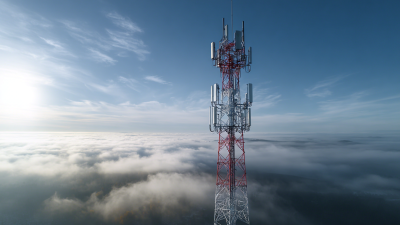
 Telecom Tower Battery technology plays a crucial role in ensuring uninterrupted service, especially in the face of increasing data demands and the rise of 5G networks.
According to a report by the International Telecommunication Union (ITU), mobile data traffic is projected to reach 77 exabytes per month by 2022, highlighting the need for robust energy solutions that can support this surge.
Furthermore, the global telecom tower battery market is expected to grow significantly, driven by the need for reliable backup power systems that enhance operational efficiency.
Telecom Tower Battery technology plays a crucial role in ensuring uninterrupted service, especially in the face of increasing data demands and the rise of 5G networks.
According to a report by the International Telecommunication Union (ITU), mobile data traffic is projected to reach 77 exabytes per month by 2022, highlighting the need for robust energy solutions that can support this surge.
Furthermore, the global telecom tower battery market is expected to grow significantly, driven by the need for reliable backup power systems that enhance operational efficiency.
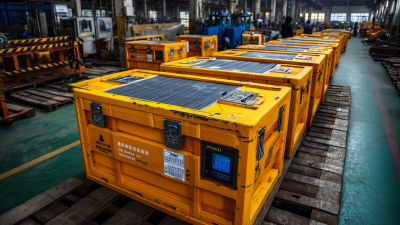
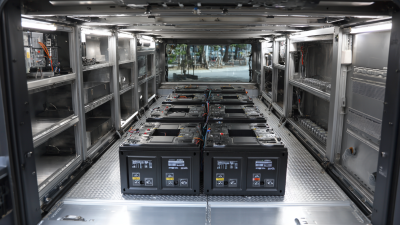
Innovations in battery technology, such as lithium-ion and next-generation solid-state batteries, promise not only to improve lifespan and performance but also to reduce environmental impact.
In this context, the future of Telecom Tower Battery technology stands as a pivotal element in shaping the resilience and sustainability of telecom networks worldwide.
The Impact of Advanced Battery Technologies on Telecom Network Uptime and Resilience
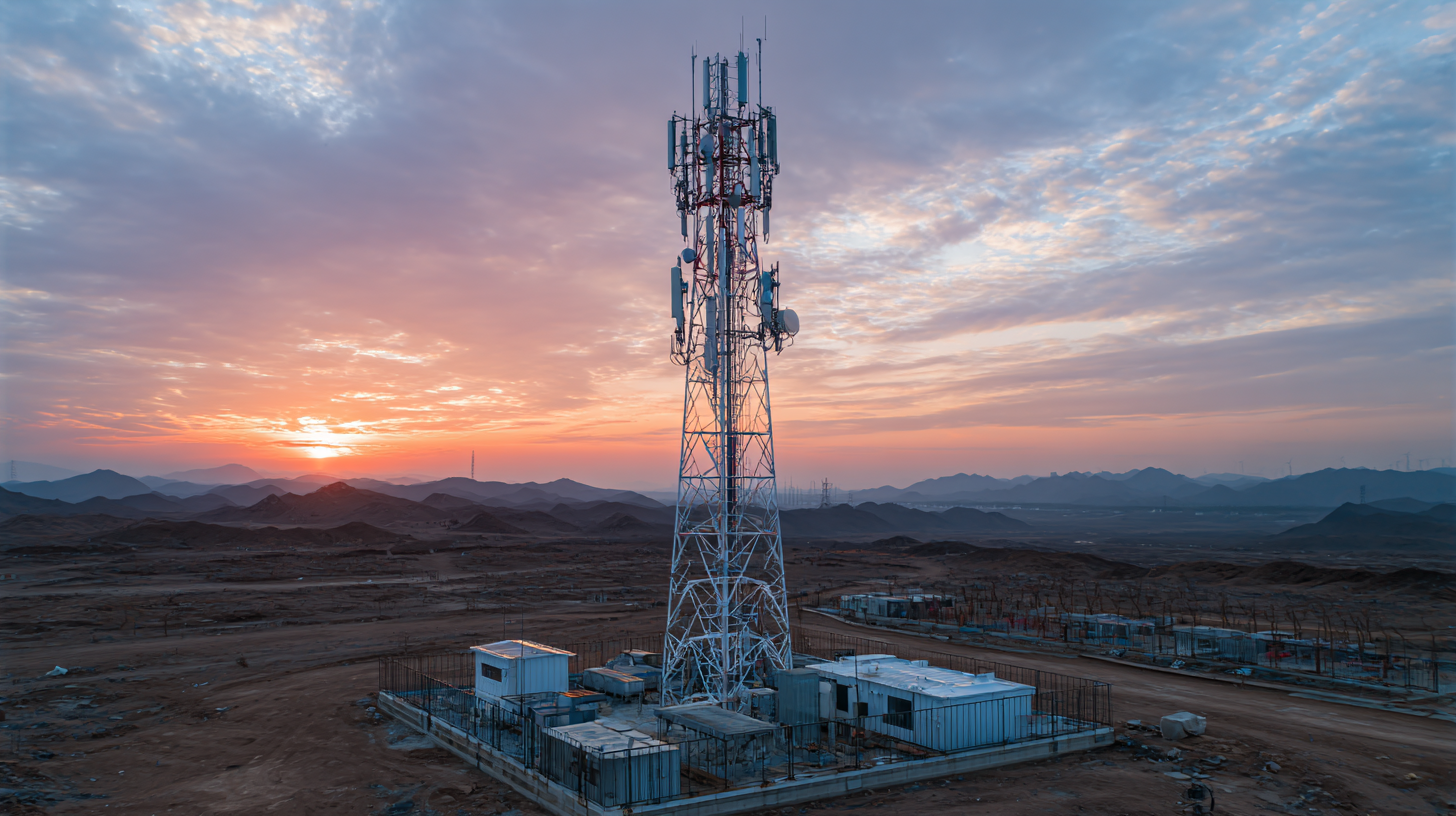 Advanced battery technologies are revolutionizing the telecom industry by significantly enhancing network uptime and resilience. As telecommunications rely heavily on uninterrupted service, the introduction of cutting-edge battery systems like lithium-ion and solid-state batteries ensures that network infrastructures remain operational even during power outages. These technologies not only extend the life cycle and improve efficiency but also provide faster recovery from power disruptions, which is crucial for maintaining seamless communication services.
Moreover, the integration of smart battery management systems plays a pivotal role in optimizing energy usage and performance. These systems enable real-time monitoring and predictive maintenance, reducing the risk of outages caused by battery failure. By harnessing data analytics, telecom operators can identify potential issues before they impact service delivery, ensuring a more reliable network. As these advanced battery technologies continue to evolve, telecom companies are better positioned to meet the demands of an increasingly connected world, ultimately enhancing user experience and satisfaction.
Key Performance Metrics for Telecom Towers: Understanding Battery Efficiency and Capacity
With the rapid evolution of the telecom industry, understanding battery efficiency and capacity is critical for enhancing network reliability. Recent data from the IEEE indicates that telecom towers consume approximately 2.5 kilowatt-hours (kWh) daily for operations. Therefore, incorporating advanced battery technology can significantly reduce operating costs and improve service reliability, particularly in remote areas where grid power is unstable.
To measure the effectiveness of battery systems in telecom towers, key performance metrics such as round-trip efficiency, depth of discharge (DoD), and cycle life become pivotal. For instance, lithium-ion batteries often provide a round-trip efficiency of around 90-95%, considerably outperforming traditional lead-acid batteries, which can range from 70-80%. Moreover, studies suggest that a higher DoD, typically between 80-90% for modern batteries, can lead to more effective utilization of available energy, ultimately driving down costs for operators.
Tips: When evaluating battery systems for telecom towers, prioritize options with higher cycle life and efficiency ratings. Additionally, consider integrating energy management systems to optimize energy usage during peak demand times. These measures can lead to substantial long-term savings and improved reliability of network service.
The Future of Telecom Tower Battery Technology: Enhancing Network Reliability and Efficiency
Comparative Analysis of Lithium-ion vs. Sustainable Battery Options in Telecom Applications
The telecom industry is witnessing a significant shift towards advanced battery technologies, with a growing emphasis on Lithium-ion and sustainable battery options. Lithium-ion batteries have dominated the market due to their high energy density, efficiency, and longevity. However, as environmental concerns rise, the industry is increasingly exploring sustainable alternatives that can reduce carbon footprints while providing adequate power backup for telecom operations.
Comparative analysis highlights that sustainable battery options, such as sodium-ion and recycled lead-acid batteries, present appealing features that could enhance network reliability. These alternatives not only aim to meet the energy needs of the telecom sector but also align with the broader objectives of sustainability and circular economy practices. As the global demand for reliable and efficient battery solutions grows, the telecom sector is poised to benefit significantly from these advancements, ultimately leading to more resilient network infrastructures.
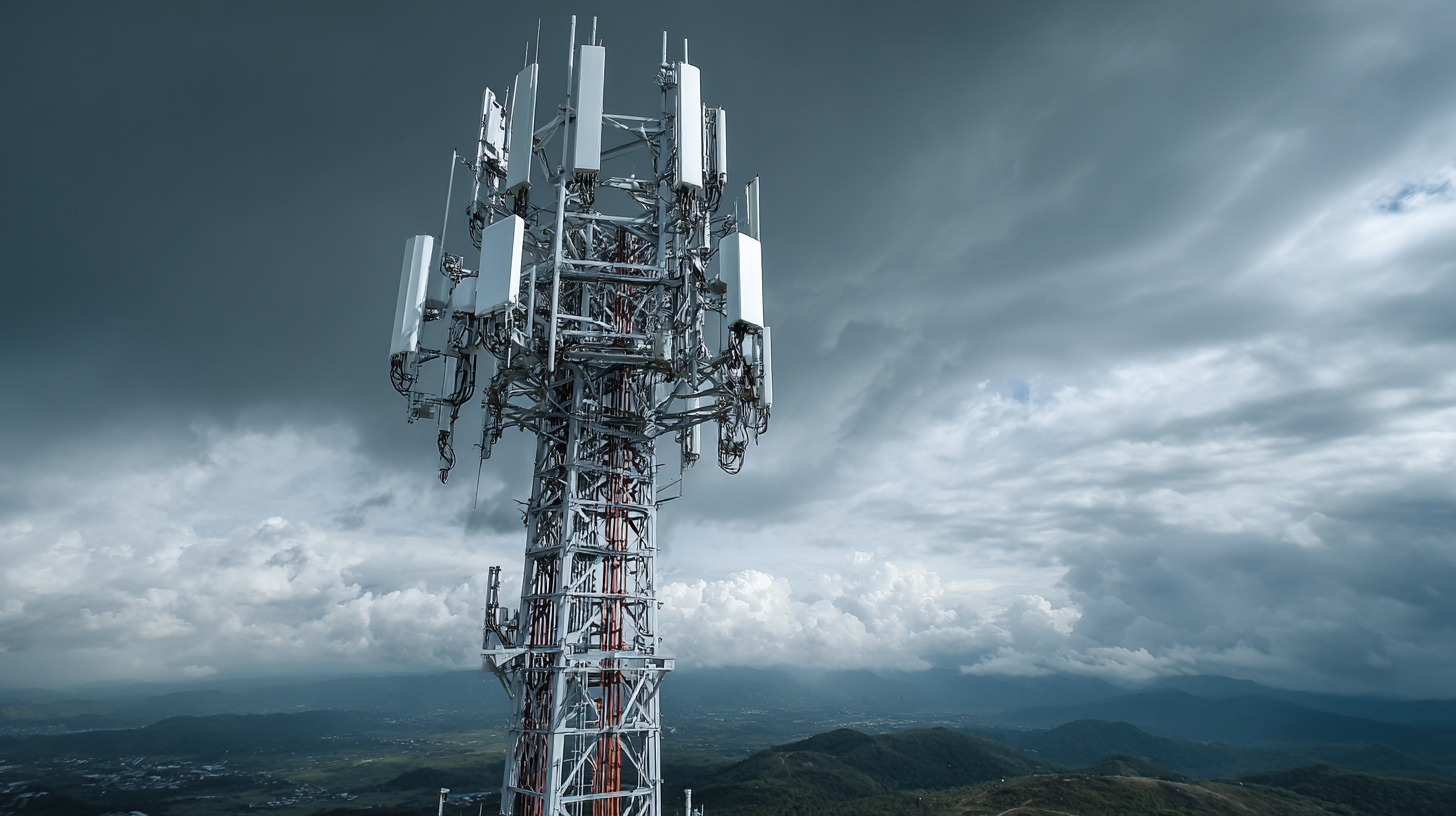
Economic and Environmental Benefits of Upgrading Telecom Tower Battery Systems
Upgrading telecom tower battery systems presents significant economic and environmental advantages that could reshape the telecommunications landscape. First, by investing in modern battery technologies like lithium-ion or advanced lead-acid systems, telecom companies can reduce operational costs over time. Enhanced battery efficiency translates to lower energy consumption, which not only decreases utility expenses but also prolongs the lifespan of critical infrastructure, minimizing the need for frequent replacements. Such improvements can lead to substantial cost savings, ensuring that resources are allocated more effectively and improving overall service profitability.
From an environmental perspective, transitioning to more efficient battery systems aids in reducing carbon footprints. Modern batteries often have better recycling potential and lower hazardous waste generation compared to traditional systems. Furthermore, by optimizing energy use, telecom towers contribute to a decrease in greenhouse gas emissions associated with power production. This shift supports global sustainability goals, positioning telecom companies as leaders in environmental stewardship while simultaneously enhancing network reliability. The synergy of economic benefits and environmental responsibility paves the way for a more sustainable future in telecommunications.
Future Trends in Energy Storage Solutions for Next-Generation Telecom Infrastructure
The telecom sector is on the cusp of a significant transformation, particularly with advancements in energy storage solutions for next-generation infrastructure. As data centers are projected to grow consistently, reaching an estimated market value of $464.6 billion by 2032 and an impressive compound annual growth rate (CAGR) of 10.30% from 2024 to 2032, the need for reliable power sources becomes critical. This evolution is crucial for both small and medium enterprises (SMEs) and large corporations, as they seek to enhance network reliability and efficiency.
In the context of energy storage solutions, the hybrid capacitor market is set to experience remarkable growth with an anticipated CAGR of 20.5% from 2025 to 2034, driven by the burgeoning demand from electric and hybrid vehicles. Such innovations are poised to bolster the reliability of telecom towers by providing efficient backup power systems, ultimately supporting seamless connectivity. Additionally, the mobile broadband infrastructure market is projected to see an increase to $51.4 billion by 2024, showcasing the expanding need for robust energy solutions in telecommunications, particularly as smart devices and IoT continue to proliferate.