2026 How to Choose the Right Telecom Tower Battery for Your Needs?
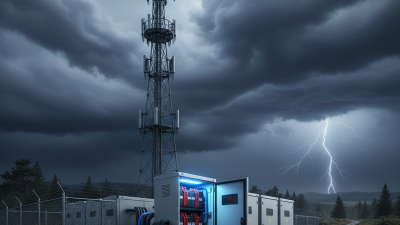
Choosing the right Telecom Tower Battery is crucial for reliable network performance. Batteries ensure that telecom towers operate efficiently during power outages. The selection process can be overwhelming, considering various factors.
It's important to assess the energy needs of your specific installation. Different towers have different power requirements. A mismatch can lead to prolonged downtime or insufficient backup power. Evaluating battery life and maintenance needs is essential too. Some batteries may promise longevity but are challenging to service. Furthermore, not all batteries are created equal in terms of compatibility with your existing systems.
Inadequate knowledge about available options can lead to poor choices. It’s wise to consult with experts who understand the latest technology and industry standards. Investing time in research can prevent costly mistakes. Remember, every decision counts when it comes to maintaining uninterrupted service in a connected world.
Understanding the Importance of Telecom Tower Batteries in 2026
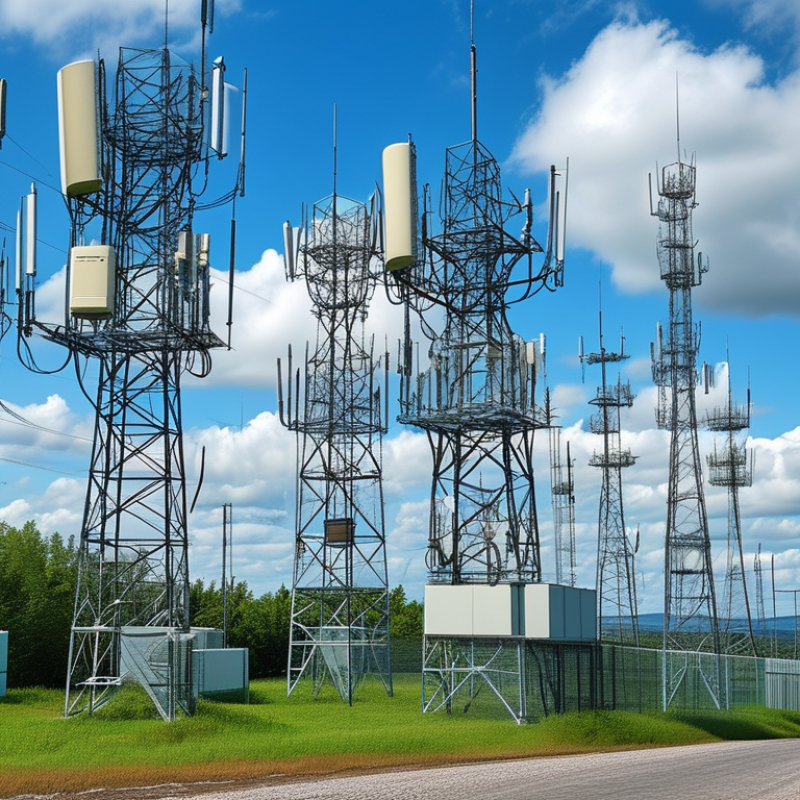
Telecom tower batteries are crucial for maintaining the functionality of communication networks. In 2026, the demand for reliable power sources is higher than ever. According to the International Telecommunication Union (ITU), around 80% of global mobile traffic relies on stable power supply. This highlights the importance of choosing the right battery for telecom towers.
When considering battery types, the lead-acid and lithium-ion batteries are common options. Lead-acid batteries are cost-effective but may lack the longevity of lithium-ion. Industry reports indicate that lithium-ion batteries can provide up to 50% more energy density. This translates directly to reduced space requirements and lighter installation. However, the initial investment for lithium-ion may deter some operators. Balancing cost and performance is essential.
Monitoring battery performance is vital. Regular checks can prevent disruptive failures. Many operators underestimate the need for routine maintenance. According to a recent report by ABI Research, poor battery management can lead to a 30% increase in operational costs. Thus, understanding the system requires a blend of technology and management practices. Reliable power sources are not just about equipment but involve strategic decision-making.
2026 Telecom Tower Battery Capacity Comparison
Key Specifications to Consider for Telecom Tower Batteries
When selecting the right telecom tower battery, key specifications will guide your choice. Capacity is crucial. It determines how long the battery can provide power. Look for batteries with sufficient amp-hours to meet your demands. A battery with a higher capacity may cost more but can save you in the long run.
Discharge rate is another vital factor. This rate defines how quickly the battery can release energy. A rapid discharge might be necessary during peak usage times. On the other hand, if your system needs a steady power supply, a lower discharge rate may suffice.
Tips: Always check the manufacturer’s specifications for details. They should provide insights into performance under various conditions. Regular maintenance also matters. This can enhance the battery’s lifespan and efficiency. Lastly, consider the operating temperature range. Batteries perform differently in extreme temperatures. Aim for a specification that aligns with your environment.
2026 How to Choose the Right Telecom Tower Battery for Your Needs? - Key Specifications to Consider for Telecom Tower Batteries
| Specification |
Details |
| Battery Type |
Lead Acid / Lithium Ion |
| Capacity (Ah) |
100Ah - 400Ah |
| Voltage (V) |
12V / 48V |
| Charging Time (Hours) |
6 - 10 hours |
| Operating Temperature (°C) |
-20 to 50 |
| Weight (kg) |
30 - 100 |
| Lifespan (Cycles) |
500 - 2000 cycles |
| Warranty Period |
2 - 5 years |
Comparing Lead-Acid vs. Lithium-Ion Batteries for Telecom Use
When it comes to telecom tower batteries, two primary options dominate: lead-acid and lithium-ion. Lead-acid batteries have been the traditional choice. They are cost-effective and easy to source, making them attractive for short-term projects. However, they have a shorter lifespan, typically around 3 to 5 years. A report by Research and Markets highlights that lead-acid batteries' efficiency decreases significantly with temperature fluctuations, leading to higher replacement costs in extreme climates.
On the other hand, lithium-ion batteries are gaining traction due to their enhanced performance. These batteries can last 10-15 years and possess higher energy density, meaning they store more energy in a smaller size. The International Energy Agency reports that lithium-ion batteries have become 70% cheaper in the last decade. Despite the higher initial investment, the longer lifespan and lower maintenance of lithium-ion can lead to significant savings over time.
Yet, the choice isn't clear-cut. Lead-acid batteries can still be useful in specific applications where cost constraints are tight. Conversely, lithium-ion batteries may require specialized charging systems, which could complicate installations. Evaluating the specific needs of your telecom project is essential for selecting the right battery type.
Evaluating Capacity and Lifecycle of Telecom Tower Batteries
When choosing a telecom tower battery, evaluating capacity and lifecycle is crucial. A battery's capacity is typically measured in amp-hours (Ah). Most telecom towers require a minimum of 48Ah to ensure consistent power supply. Reports indicate that batteries with higher capacities enhance operational efficiency, reducing downtime and improving service reliability.
Lifecycle is another significant factor. The average lifespan of telecom batteries ranges from 3 to 10 years, depending on usage and maintenance. Industry data shows that regular maintenance can extend battery life by up to 30%. Neglecting this aspect can lead to unexpected failures, which may disrupt services.
Considering temperature extremes is also vital. Batteries operating in high temperatures tend to degrade faster. A study revealed that for every 10-degree Celsius increase in temperature, battery life decreases by 50%. This highlights the importance of a thorough evaluation process to select the right battery for specific conditions, ensuring longevity and efficiency.
Cost Analysis and Budgeting for Telecom Battery Solutions in 2026
As telecom towers evolve, the cost of battery solutions is becoming increasingly crucial. According to a report by Fortune Business Insights, the telecom battery market is projected to reach $3.4 billion by 2027. With such significant investments, companies must analyze their budget wisely. Assessing total costs involves not just the battery purchase price but also installation, maintenance, and potential replacements over its lifecycle.
When planning for 2026, consider the type of battery technology that best suits your needs. Lead-acid batteries are generally cheaper upfront but may have higher long-term costs due to shorter lifespans. In contrast, lithium-ion options are more expensive initially but often provide better performance and longevity. The key is to evaluate the trade-offs between upfront costs and long-term reliability. Predicted maintenance costs could account for up to 30% of total expenditure, indicating the necessity for informed decision-making.
Understanding energy demands is vital too. A report from the International Energy Agency reveals that telecom companies may face increased energy costs due to rising electricity prices. A well-planned budgeting strategy should anticipate these changes. Efficiency gains through upgraded battery systems can mitigate these costs, but only if the right technology is chosen. Investing in research and planning is essential; without it, budget overruns can become a reality.