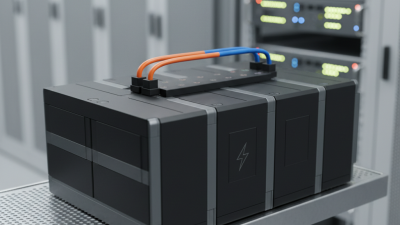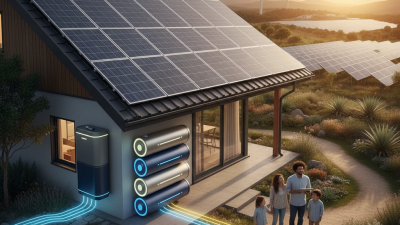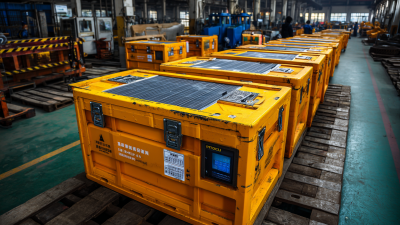
Choosing a 51.2V 180Ah lithium battery requires more than comparing prices and advertised capacity. This battery size can store about 9.2 kilowatt-hours of energy before system losses. It may support solar storage, backup power, marine equipment, or carefully designed off-grid systems. Yet the right choice depends on load demand, charging conditions, installation space, and expected daily use.
This guide explains the practical checks that experienced installers usually perform. We will examine cell quality, battery management systems, continuous discharge ratings, charging voltage, cycle life, and warranty terms. A reliable battery should include clear technical data, balanced cells, temperature protection, and accessible service support. Some buyers search for “51.2vot 180amp Lithium,” although that phrase is likely a typing variation. The specification still needs careful verification.
Real-world performance is rarely perfect. A battery may not deliver its rated capacity under cold temperatures, high discharge rates, or poor wiring conditions. Cable size, inverter compatibility, ventilation, and state-of-charge limits can change the result. Do not trust a bright label alone. Ask for test conditions, safety certifications, and installation guidance from qualified professionals. I would also question unusually long cycle-life claims without supporting test details. A thoughtful selection process may take longer, but it reduces avoidable replacement costs and improves system safety.
How to Choose a 51.2V 180Ah Lithium Battery?
Define Your Energy Storage Needs and Daily Power Consumption
A 51.2V 180Ah lithium battery stores about 9.2 kWh of nominal energy. Usable capacity is lower. At 80% depth of discharge, approximately 7.4 kWh remains available. After inverter losses, delivered energy may approach 6.6 kWh. These figures need verification from the battery’s technical sheet.
Measure your actual daily loads before choosing this size. The U.S. Energy Information Administration reported average household electricity use of about 899 kWh monthly in 2022. That equals nearly 30 kWh daily, although homes vary sharply. A 51.2V 180Ah battery could cover essential loads, not an entire average home. A refrigerator, router, lights, medical equipment, and a small pump may fit better than heating appliances.
List each appliance, its wattage, and operating hours. Then record starting surges. Motors can briefly demand several times their running power. Check the inverter’s continuous and peak ratings carefully. Battery performance also changes with temperature, age, and charging limits. The International Renewable Energy Agency notes that storage round-trip efficiency commonly depends on system design and operating conditions. Real results may disappoint.
Do not size from averages alone. Measure a week. One overlooked freezer can change the calculation. Keep a reserve for cloudy days if solar charging is involved, and confirm local installation requirements with a qualified technician.
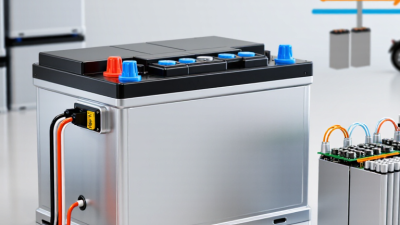
A 51.2V, 180Ah battery stores about 9.216kWh of nominal energy. The calculation is simple: 51.2 × 180. However, voltage is not constant during operation. A typical 51.2V lithium iron phosphate battery uses 16 series cells, with charging voltage and low-voltage cut-off set by the battery management system. Confirm that these limits match the inverter, charger, and cable design. The U.S. Department of Energy’s Electricity Storage Handbook identifies lithium-ion systems as generally offering high efficiency, but installation losses still matter.
Capacity needs closer inspection. The stated 180Ah rating should include its testing temperature, discharge current, and cut-off voltage. IEC 62620 testing principles remind engineers that rated capacity depends on defined conditions. At 80% depth of discharge, this battery provides roughly 7.37kWh before conversion losses. With an assumed 90% system efficiency, usable output may approach 6.63kWh. NREL’s 2024 Annual Technology Baseline uses approximately 85% round-trip efficiency for utility-scale battery storage, showing why nameplate energy can overstate practical results.
Check the load profile, not only the label. A 3kW load could run for about two hours under conservative assumptions. Starting surges may require a larger inverter. Temperature can reduce available capacity. Real readings may disagree with the datasheet. That is normal, but it deserves investigation. I would also leave a reserve instead of planning around the final watt-hour.
Choosing a 51.2V 180Ah battery starts with its chemistry. Lithium iron phosphate is often preferred for stationary storage because it offers strong thermal stability and a long cycle life. Its nominal capacity is about 9.2 kWh, but the usable amount depends on the discharge limit. A larger capacity is not automatically better. Check the battery’s tested cycle data, not only the label.
Safety features deserve close inspection. A reliable battery should include a battery management system with overcharge, over-discharge, overcurrent, and temperature protection. Cell balancing also matters because uneven cells can reduce capacity over time. Look for clear test reports and recognized electrical safety certifications. In practical installations, loose terminals and poor cable sizing cause avoidable heating. I would inspect these details before comparing prices.
Operating conditions can quietly shorten battery life. Confirm the permitted charging and discharging temperatures, especially in garages or outdoor cabinets. Cold conditions may restrict charging, while high temperatures accelerate aging. Keep the enclosure dry, clean, and away from direct heat. Match the battery’s continuous current rating with the inverter and expected loads. Short peaks can be acceptable, but repeated overloads are different. I would also verify communication compatibility, installation clearance, and warranty terms. One detail is easy to miss: some specifications describe ideal laboratory performance, not everyday use.
How to Choose a 51.2V 180Ah Lithium Battery?
Compare Compatibility, Charging Options, and System Integration
A 51.2V 180Ah battery stores about 9.2 kWh before conversion losses. Compatibility starts with the inverter, not the capacity label. Check its battery voltage window, maximum charging voltage, discharge current, and low-voltage cutoff. A 16-cell lithium iron phosphate design commonly charges near 57.6V, but the battery manual must control the final setting. Confirm cable lugs, fuse ratings, disconnects, and enclosure space. Small mismatches can cause nuisance trips or excess heat.
Charging choices include a dedicated charger, an inverter-charger, or solar equipment with a lithium profile. Match charger voltage and current to the battery management system. A 90A charger may refill faster, but only if the BMS, wiring, and thermal conditions support it. Leave room for cold-temperature protection and generator fluctuations. Do not assume the displayed state of charge is exact. It may drift after partial cycles. Periodic calibration can improve confidence, although the correct method depends on the battery design.
For system integration, confirm whether communication uses CAN, RS485, or no data link. A compatible protocol can share voltage, current, alarms, and state-of-charge limits with the inverter. Without it, manual settings require closer monitoring. Parallel batteries need matched age, firmware, cable lengths, and protection devices. Install them on a level, dry surface with accessible isolation. Keep terminals covered. A common design mistake is ignoring peak loads from pumps or compressors. Recheck those loads before selecting one battery, and document every setting for future service.
A 51.2V 180Ah lithium battery stores about 9.2 kWh before operating limits and conversion losses. Lifespan depends on depth of discharge, temperature, charging quality, and daily cycling. Ask for tested cycle-life data at a stated discharge rate, not a marketing estimate. A battery rated for 6,000 cycles may deliver less when discharged deeply in a hot garage.
Read the warranty carefully. Check coverage length, remaining capacity, cycle limits, labor terms, and shipping responsibilities. Installation also affects reliability. Confirm charger compatibility, cable sizing, fuse protection, ventilation requirements, and clearance around the enclosure. A qualified installer should verify polarity and torque connections with suitable tools. Small errors can create expensive downtime.
Total cost of ownership includes the battery, charger, cabinet, cables, protection devices, installation, maintenance, and eventual replacement. Compare usable energy, not only purchase price. A lower-cost unit may offer less usable capacity or weaker service support. I would also request written test reports and ask how warranty claims are handled. A spreadsheet helps, but it can still miss seasonal temperature changes and installation delays. Allow a practical contingency budget.