How to Choose the Right 48V 50A Lithium Battery for Your Needs?
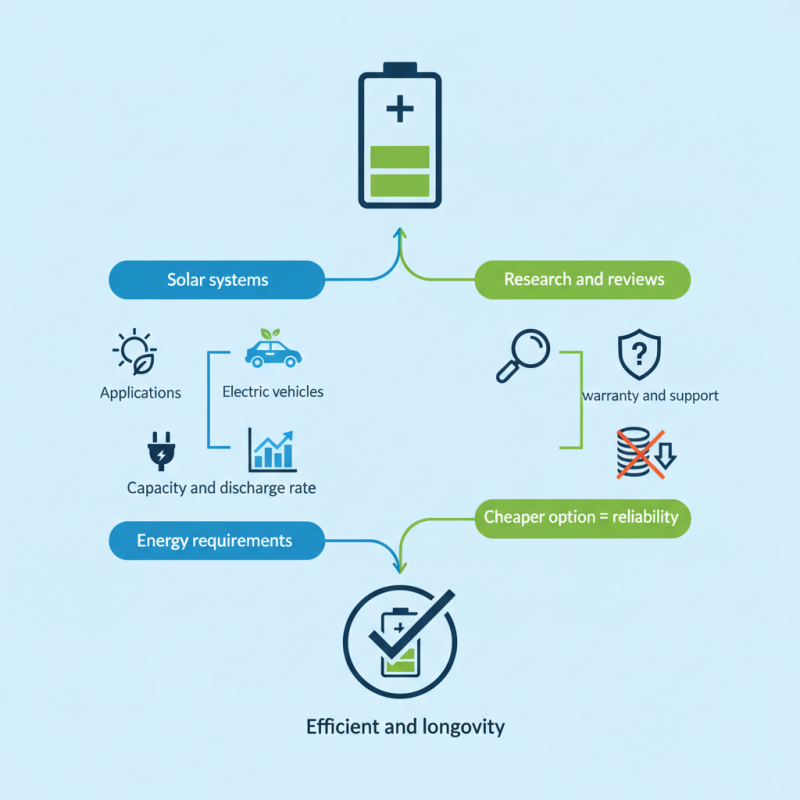
Choosing the right 48V 50A lithium battery can be a daunting task. With numerous options available, it's crucial to understand your specific needs. A quality battery plays a vital role in powering various applications, such as solar systems or electric vehicles. The right choice ensures efficiency and longevity.
When selecting a 48V 50A lithium battery, consider its capacity and discharge rate. These factors will significantly affect your device's performance. It's essential to assess your energy requirements accurately. A poorly sized battery may lead to inefficiencies, charging issues, or even damage to your systems.
It's worth acknowledging that not every battery will suit all situations. You might find that a cheaper option compromises on reliability. The market offers many brands, each with varying warranties and support services. Research reviews and expert opinions to make an informed choice. Trustworthy information sources can aid in navigating this complex field.
Understanding the Basics of 48V 50A Lithium Batteries
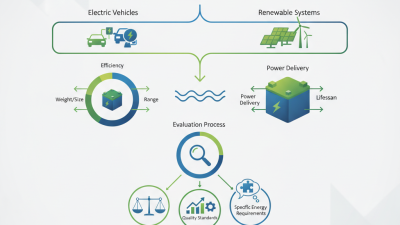
When choosing a 48V 50A lithium battery, understanding its basic components is crucial. Lithium batteries are composed of multiple cells that store energy efficiently. They deliver high voltage and powerful output. This makes them suitable for various applications, from electric vehicles to renewable energy systems.
Capacity is a key factor to consider. The 50A rating indicates the maximum current the battery can provide. It’s essential to match this with your device's requirements. An imbalance may lead to underperformance or damage. Look closely at specifications and actual use cases. Do you need extended runtime or a higher discharge rate?
Battery management systems play a vital role in safety. They protect against overcharging and overheating. Ignoring this can result in significant risks. Regular monitoring and maintenance are necessary. Ensuring the battery is in good condition can prevent unexpected failures. Understanding these basics will aid in making an informed decision.
Assessing Your Power Requirements for Battery Selection
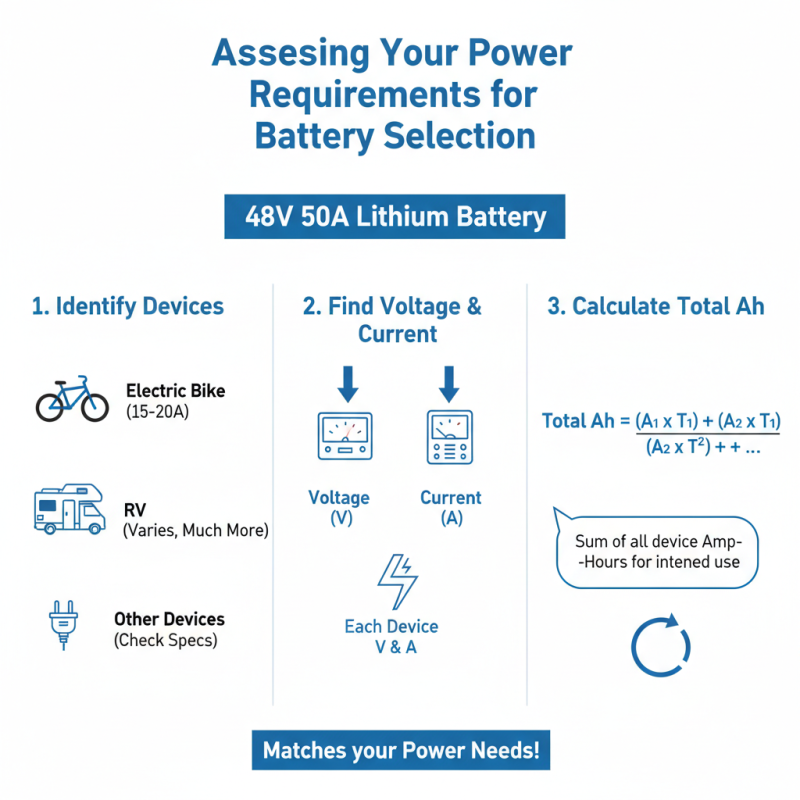
Selecting the right 48V 50A lithium battery begins with understanding your power needs. It's essential to assess the devices you plan to power. Each device has a specific voltage and current requirement, which can vary widely. For example, an electric bike may need around 15-20A, while an RV might use significantly more. Calculate the total amp hours you require for your intended use.
Next, think about how often you'll discharge the battery. Frequent deep discharges can reduce battery lifespan. Consider opting for a battery that can handle your average daily consumption without stressing it too much. A desire for longer battery life may lead to underusing the capacity, causing self-discharge. Monitor these factors closely. Using a battery monitoring system helps track performance and longevity.
Consider the physical dimensions of the battery as well. Make sure it fits your space requirements. A battery that's too big may lead to installation challenges. On the other hand, a smaller battery may not meet your power needs. It's essential to strike that balance. Testing the battery under real conditions can reveal hidden issues. Be ready to learn from any miscalculations. Adjusting your selection based on this feedback will enhance your overall experience.
Key Features to Look for in 48V 50A Lithium Batteries
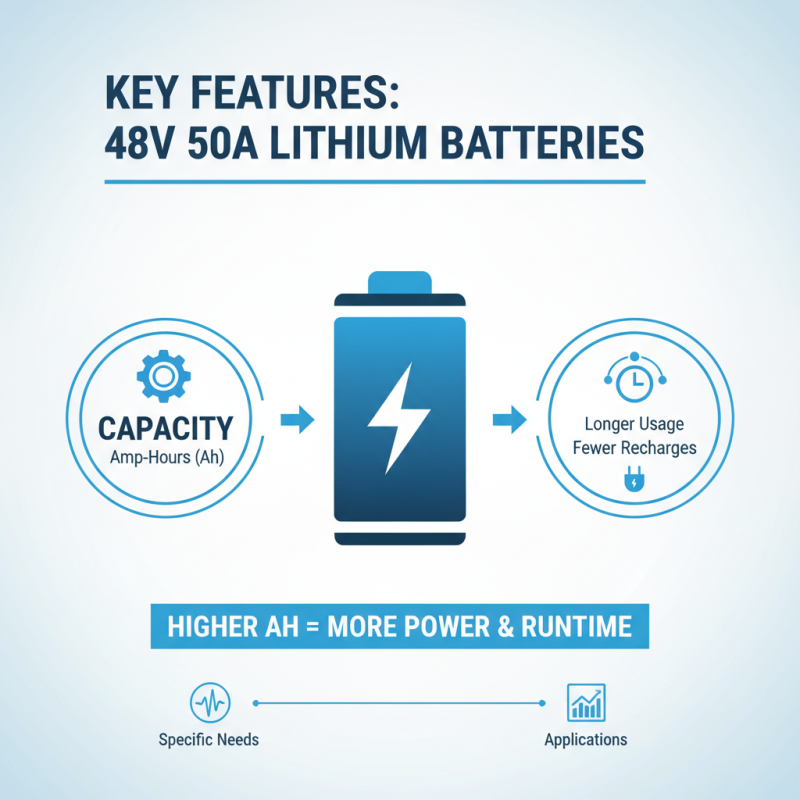
When choosing a 48V 50A lithium battery, consider several key features that will match your specific needs. Capacity is crucial. Look for a battery that can provide the power you require for your applications. Typically, capacity is measured in amp-hours (Ah). Higher capacity means longer usage without frequent recharging.
Another important aspect is the battery's cycle life. This reflects how many charge and discharge cycles the battery can handle before performance degrades. A higher cycle life ensures long-term reliability. Additionally, review the battery's discharge characteristics. It should deliver consistent voltage, even under heavy loads. This ensures your devices operate efficiently.
Tips: Always check for built-in safety features, such as protection against overcharging and overheating. These enhancements can prolong battery life and prevent accidents. It’s also essential to understand the weight and size of the battery. Ensure it fits your space requirements without compromising transportability.
Lastly, consider the brand’s after-sales support. Reliable customer service can make a big difference if you encounter issues. Inspect user reviews for real-world experiences. Reflect on what you read; some users may report concerns that can’t be overlooked. The right battery choice encompasses both performance and trust.
Comparing Different Brands and Models of Lithium Batteries
Choosing the right 48V 50A lithium battery requires careful consideration. Various brands and models offer different features. According to a recent industry report by IBISWorld, the lithium battery market is expected to grow by 20% annually. This surge means more options, but it can also lead to confusion.
When comparing brands, look for durability and cycle life. A reliable battery often lasts more than 2,000 cycles. Some models may only deliver around 1,000 cycles. Pay attention to energy density as well. Higher energy density means more power in a smaller size. However, some manufacturers may overstate these figures, so examine user reviews and independent tests.
Price often correlates with quality, but not always. A cheaper battery might save money now but fail soon after. For example, one brand advertised a 5-year warranty but received numerous complaints after just a year. Research is necessary to avoid disappointment. Seek out unbiased reports and feedback from users. This helps in making an informed choice.
Comparing Key Specifications of 48V 50A Lithium Batteries
This chart compares different models of 48V 50A Lithium batteries based on their capacity (Ah), weight (kg), and cycle life. These specifications are essential for selecting the right battery for your needs.
Tips for Maintenance and Longevity of Your Lithium Battery
Maintaining a lithium battery is crucial for maximizing its lifespan and performance. Regular care can significantly impact functionality. According to industry reports, proper maintenance can extend a battery’s life up to 30%. Keeping connections clean ensures optimal performance. Clean terminals prevent resistance, which can lead to overheating.
Temperature control is vital. Lithium batteries thrive in moderate environments. Operating them in extreme temperatures can reduce efficiency. Avoid prolonged exposure to cold or heat. It’s recommended to store batteries at around 20°C. This practice helps in maintaining stability and prolonging lifespan.
Another important tip is to monitor the charge cycles. Overcharging can lead to damage. A study shows that lithium batteries maintain their capacity better when charged to about 80% instead of 100%. Regularly inspecting the battery for swelling or wear can prevent safety hazards. Understanding these nuances can ensure reliability over time, making your investment worthwhile.