How to Choose a 48 Volt 300 Amp Lithium LFP Battery for Your Needs?
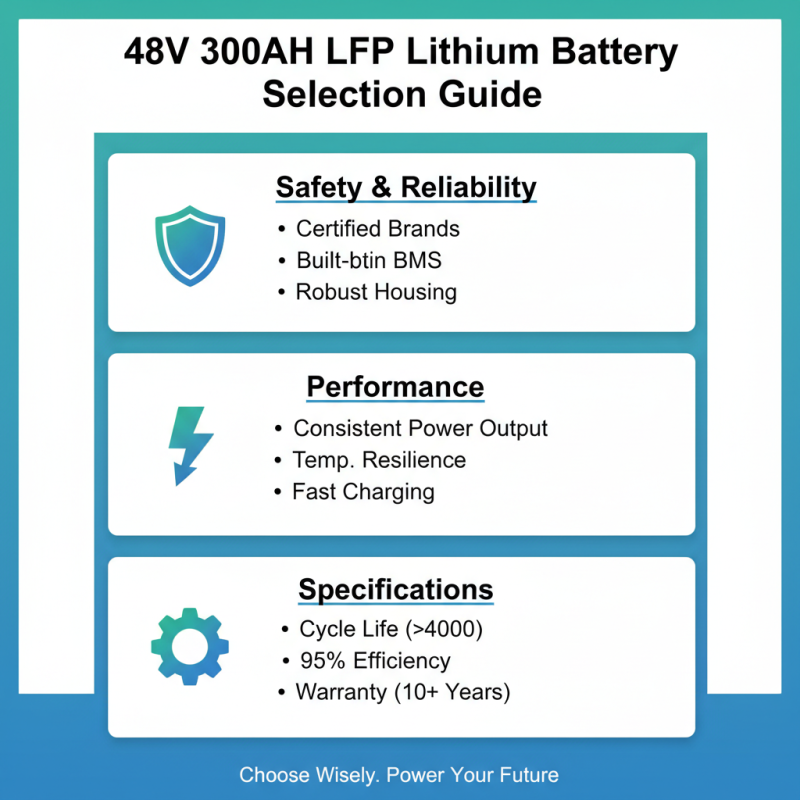
Choosing the right battery is crucial for optimal performance. A 48 Volt 300 Amp Lithium LFP battery can offer efficiency and reliability. However, selecting one that suits your needs requires careful consideration.
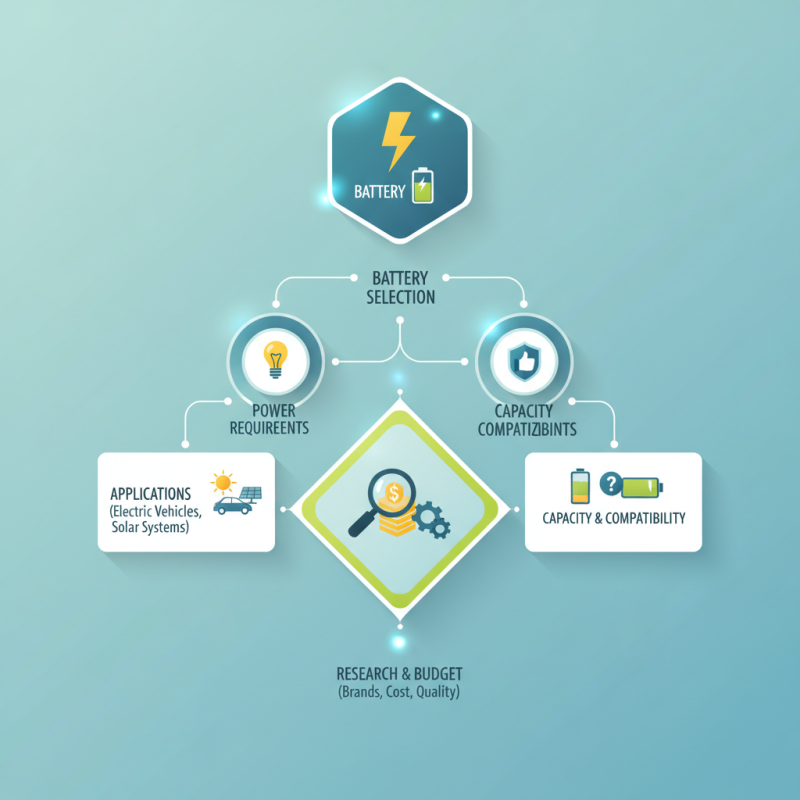
Understanding your power requirements is the first step. Assess how much energy you need to store and use. This battery type is powerful, yet it has specific applications. It works well for electric vehicles and solar energy systems. But not every setup requires such high specifications.
It’s easy to get overwhelmed by options. Various brands and capacities exist in the market. Prices can vary widely as well. Researching these details is vital. You must balance affordability with quality. Inadequate choices can lead to subpar performance, resulting in frustration. Evaluating all aspects ensures you get the best fit for your needs.
Understanding Lithium LFP Batteries: Key Features and Benefits
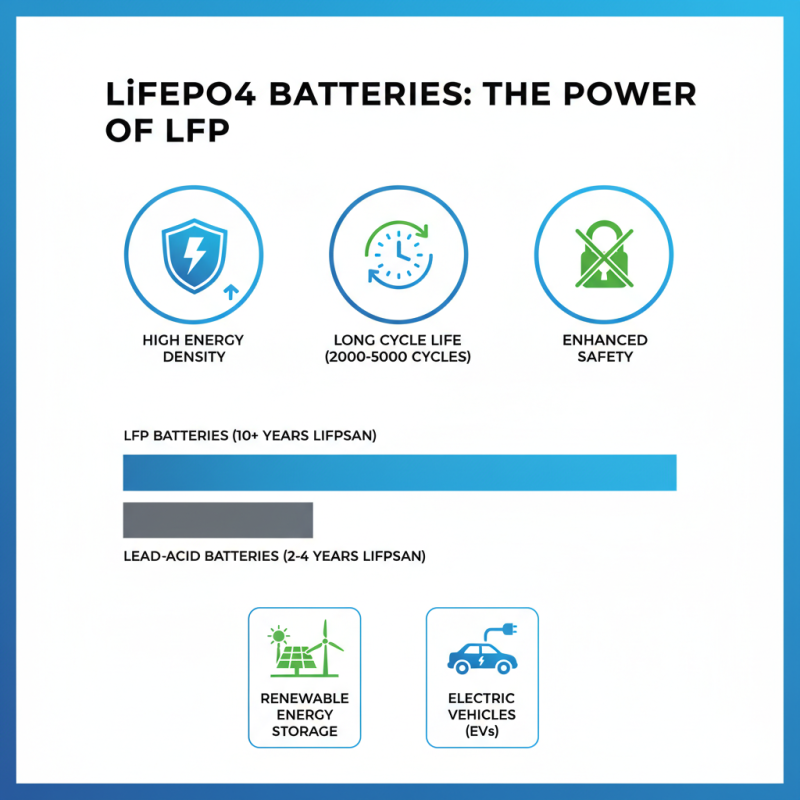
Lithium LFP batteries are increasingly popular due to their unique features. They offer high energy density, long cycle life, and safety. Compared to traditional lead-acid batteries, LFP batteries have a lifespan that can exceed 10 years. Reports indicate they can endure 2,000 to 5,000 charge cycles. This makes them suitable for various applications, from renewable energy systems to electric vehicles.
One key benefit of LFP batteries is their thermal stability. They are less prone to overheating than other lithium-ion types. This property greatly reduces the risk of thermal runaway. However, the energy efficiency can sometimes be lower, especially in high-drain applications. Some users may find this disappointing when pushing the battery to its limits.
Another aspect to consider is the battery weight. LFP batteries are generally heavier than other lithium-ion options. This can pose challenges for certain applications. Users often need to evaluate their weight tolerance. If weight is a priority, alternatives might be necessary. Understanding these nuances can guide better decision-making.
Evaluating Your Power Requirements for a 48 Volt 300 Amp Battery
When considering a 48 Volt 300 Amp lithium LFP battery, your power requirements are crucial. Start by assessing the total watt-hours needed for your applications. For example, if you plan to run a 300W device for five hours, you’ll need at least 1500 watt-hours. This calculation is essential for ensuring the battery can meet your demands.
Next, think about the peak load. Certain devices may require more current at startup than during operation. If your equipment has a 600W surge at start, a 600 Amp battery would be ideal to avoid overload. Often, users overlook these spikes, leading to performance issues.
Consider the duration of your power needs. Are you looking for short bursts of energy or prolonged use? Long-term use requires more capacity. Ponder the environment as well. Exposing batteries to extreme temperatures can affect performance. Reflect on these factors. Take the time to evaluate. It can save time and frustration later on.
Comparing Costs: Budgeting for a High-Quality Lithium Battery
When considering a high-quality lithium LFP battery, budgeting plays a crucial role. A 48 Volt 300 Amp battery typically costs between $3,000 to $6,000. Prices fluctuate based on factors like performance, longevity, and efficiency. Reports indicate that a higher initial investment can lead to significant savings over time. This is crucial for applications that demand reliability.
Quality batteries generally offer a better cycle life. Many lithium batteries can last over 3,000 cycles. Cheaper options may provide only 1,000 cycles. This discrepancy can impact long-term operational costs. A battery that provides more cycles may save users from frequent replacements. It's essential to weigh immediate costs against potential savings.
Users must also consider auxiliary costs. Installation fees and maintenance can add to your budget. Understanding the total cost of ownership is vital. Conducting thorough research is necessary, yet information can be overwhelming. New advancements in battery technology can complicate choices. Some options promise fast charging or high discharge rates but may be untested. Reflecting on specific needs and usage scenarios can guide better decision-making.
How to Choose a 48 Volt 300 Amp Lithium LFP Battery for Your Needs? - Comparing Costs: Budgeting for a High-Quality Lithium Battery
| Feature |
Specification |
Estimated Cost ($) |
| Battery Capacity |
48 Volt, 300 Amp |
600 - 800 |
| Cycle Life |
2000 - 5000 cycles |
Included in cost |
| Weight |
Approx. 100 lbs |
Included in cost |
| Warranty |
5 years |
Included in cost |
| Charging Time |
6 - 8 hours |
Included in cost |
Maintenance and Longevity: Ensuring Optimal Battery Performance
Maintaining a 48 Volt 300 Amp Lithium LFP battery is vital for performance. Regular checks extend its life. An industry report indicates that proper maintenance can boost battery lifespan by 30%. Keeping terminals clean is essential. Corroded terminals can impact performance significantly.
Battery temperature affects efficiency. High heat can reduce capacity by 20%. This issue arises often in summer months. For optimal performance, keep the battery in a shaded area. Monitoring the battery's charge and discharge cycles is crucial. An excessive cycle count can lead to quicker degradation.
Investing in a quality battery management system is wise. It can prevent overcharging, a common pitfall. A systematic review shows that overcharging reduces battery life by up to 50%. Simple habits like checking voltage regularly can make a difference.
Longevity requires attention and care. Consider the environment in which the battery operates. Factors like humidity and temperature are often overlooked.