China Best 51.2 V 160ah LFP Batteries for Reliable Energy Storage Solutions?
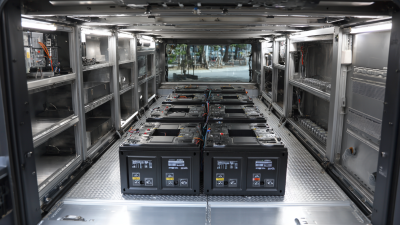
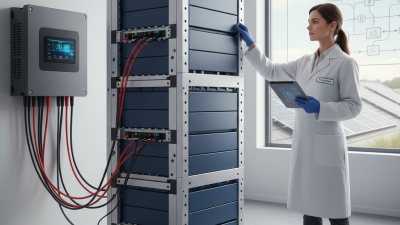
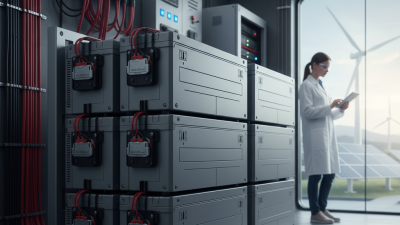
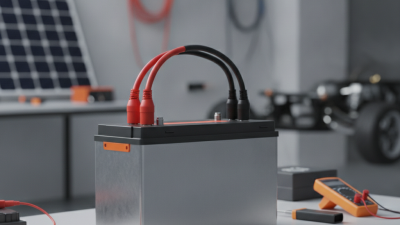
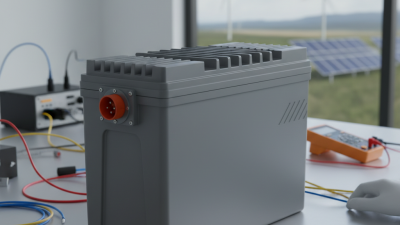
The shift towards sustainable energy storage solutions is more crucial than ever. Among the reputable options in the market, the "51.2 V 160ah LFP Batteries" stand out for their reliability and efficiency. These lithium iron phosphate batteries offer substantial capacity for energy storage, making them ideal for various applications.
With advancements in battery technology, the 51.2 V 160ah LFP Batteries provide enhanced safety and longevity, addressing previous concerns about performance. Users often look for dependable solutions for their energy needs. These batteries are engineered to meet high standards and offer consistent power output. They are designed for residential, commercial, and industrial uses.
Despite their many advantages, consumers should remain critical. The market has a range of specifications. Variability in quality and performance exists. Researching and selecting genuine suppliers is essential. Understanding your specific energy requirements can lead you to the most suitable choice. As with any technology, continuous improvement and scrutiny will enhance user satisfaction and safety.
China's Dominance in the LFP Battery Market: An Overview
China has established a remarkable presence in the lithium iron phosphate (LFP) battery market. Recent industry reports indicate that China accounts for over 70% of global LFP production. This dominance is not merely by chance; it stems from strategic investment in technology and supply chain management. The country has developed an extensive network of suppliers, making it easier to source materials. This efficiency helps lower costs and improves accessibility for global markets.
In 2022, the total capacity of LFP batteries produced in China reached 150 GWh. Such substantial production capabilities position China as a leader in energy storage solutions. The trend towards electric vehicles and renewable energy systems is fueling this growth. However, challenges remain. The reliance on specific raw materials, like phosphate and lithium, can present risks. Supply chain disruptions could impact production timelines. Further, advancements in battery technology are essential to enhance energy density and longevity. This calls for ongoing innovation and strategic planning to maintain leadership.
China’s growing influence is evident in its export strategies as well. The Belt and Road Initiative plays a role in expanding its reach into emerging markets. Such moves solidify its position, yet questions linger about sustainability. The energy footprint of manufacturing these batteries and environmental impacts demand attention. Balancing growth with ecological responsibility will be crucial for China's future in the LFP battery sector.
Technical Specifications of 51.2 V 160ah LFP Batteries
When considering energy storage solutions, LFP batteries stand out for their reliability. The 51.2 V 160ah LFP batteries offer several impressive technical specifications. These batteries have a long cycle life, typically exceeding 2000 cycles. This longevity ensures a dependable power source for various applications.
The 51.2 V configuration provides stability, ideal for off-grid installations and renewable energy systems. Their nominal capacity of 160ah allows for substantial energy storage. Additionally, these batteries maintain high performance even in extreme temperatures. This characteristic sets them apart in the energy storage landscape.
However, challenges exist. The size and weight can pose installation issues. Therefore, careful planning is essential for optimal performance. Users must also consider the charging systems compatible with LFP technology. Understanding these aspects can prevent potential mishaps and ensure efficiency.
China Best 51.2 V 160ah LFP Batteries for Reliable Energy Storage Solutions
| Specification |
Details |
| Voltage |
51.2 V |
| Capacity |
160 Ah |
| Energy |
8192 Wh |
| Chemistry |
Lithium Iron Phosphate (LFP) |
| Cycle Life |
> 3000 cycles |
| Charging Voltage |
58.4 V |
| Discharge Cut-off Voltage |
40 V |
| Temperature Range |
-20°C to 60°C |
| Weight |
Approx. 48 kg |
| Dimensions |
484 x 420 x 220 mm |
Advantages of LFP Batteries for Energy Storage Systems
Lithium iron phosphate (LFP) batteries are gaining attention for energy storage systems. They offer several key advantages over traditional lithium-ion batteries. One notable benefit is their long cycle life. Reports indicate LFP batteries can maintain over 80% capacity after 3,000 cycles. This endurance is significant for energy storage applications, where longevity is essential for efficiency.
Safety is another critical aspect. LFP batteries have a lower risk of thermal runaway compared to other lithium chemistries. They can withstand high temperatures and are less prone to catching fire. A study from the National Renewable Energy Laboratory highlights how this safety translates to reliability in critical applications, making LFP a preferred choice for commercial energy storage solutions.
Moreover, LFP batteries are more environmentally-friendly. The materials used are abundant and less toxic. This aspect is an important consideration as the industry shifts towards sustainable practices. However, the slower charging speed of LFP batteries remains a point for improvement. While they excel in longevity and safety, enhancing their charging capabilities is necessary for broader adoption in fast-paced energy markets.
Market Trends and Future Projections for LFP Battery Demand
The demand for lithium iron phosphate (LFP) batteries is set to soar. As renewable energy sources become mainstream, energy storage solutions must keep pace. The market for LFP batteries is evolving, shaped by technology advancements and environmental concerns.
Sustainability is a driving factor. Many industries are shifting towards eco-friendly solutions. LFP batteries offer longer lifespans and increased safety compared to other types. However, challenges exist. Supply chain issues and raw material costs can hinder growth. Manufacturers need innovative strategies to overcome these obstacles.
Future projections show a robust increase in LFP battery adoption. The rise in electric vehicles (EVs) necessitates reliable storage options. Additionally, as grid energy storage becomes critical, LFP batteries can fill this gap. Market research suggests growing investments in R&D for LFP technology. This trend may enhance performance and lower costs. Stakeholders should keep an eye on market fluctuations and consumer preferences, as they will shape the future of energy storage solutions.
Market Trends for LFP Battery Demand (2030 Projections)
Comparative Analysis of LFP Batteries vs. Traditional Lead-Acid Batteries
Lithium Iron Phosphate (LFP) batteries are gaining attention for energy storage. Compared to traditional lead-acid batteries, they offer several notable advantages. LFP batteries are lighter, more efficient, and have a longer lifespan. They can last up to ten years with proper care. In contrast, lead-acid batteries often need replacement every three to five years.
Another important aspect is safety. LFP batteries have a lower risk of overheating and combustion than lead-acid ones. This reliability makes them suitable for various applications, from home energy storage to electric vehicles. However, their initial cost can be higher, which may deter some users. The long-term savings from reduced maintenance and replacement costs can outweigh this.
Environmental impact is also a concern. LFP batteries are generally more eco-friendly, with less hazardous waste than lead-acid batteries. This could address some sustainability issues facing the energy storage sector. Nonetheless, potential buyers should consider the availability of recycling facilities. The transition to LFP technology is still evolving, and addressing these challenges is crucial for widespread adoption.