Best Telecom Tower Battery Options for Reliable Performance?
The importance of a reliable Telecom Tower Battery cannot be overstated. In the fast-paced world of telecommunications, uptime is crucial. According to a recent report by ResearchAndMarkets, the global telecom battery market is projected to reach $10.4 billion by 2025. This growth highlights the increasing demand for dependable power sources in cellular networks.
Maintaining efficient power supply systems can be challenging. Batteries must withstand extreme weather conditions and heavy usage. Failure in these systems can lead to costly downtimes. A study from MarketsandMarkets indicates that battery failures contribute to about 30% of telecom outages. This statistic emphasizes the need for robust battery solutions.
In an industry evolving with technology, selecting the right Telecom Tower Battery is vital. The market offers a variety of options, such as lithium-ion and traditional lead-acid batteries. Each type has its benefits and drawbacks. Power reliability sometimes comes at a higher cost. It is essential to weigh the initial investment against long-term performance. Making informed choices can enhance operational efficiency and service availability.
Types of Telecom Tower Batteries: An Overview
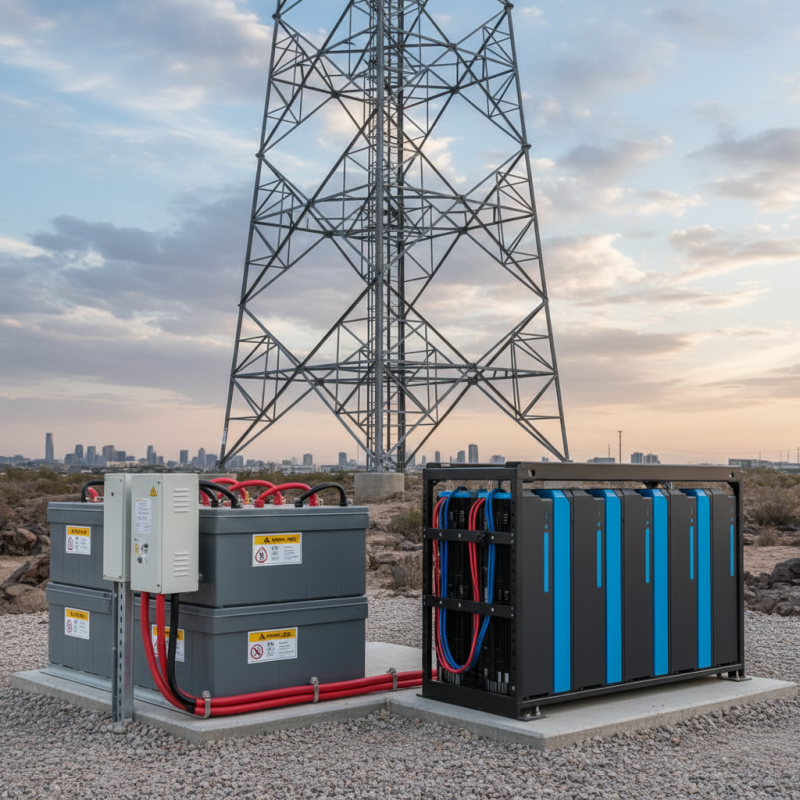
Telecom tower batteries are crucial for maintaining connectivity. Various types of batteries are available, each with unique characteristics. Common options include lead-acid, lithium-ion, and sodium-sulfur batteries. These choices can greatly affect performance and longevity.
Lead-acid batteries are the most traditional option. They are cost-effective but heavy and bulky. Their lifespan is shorter, averaging around 3 to 5 years. Lithium-ion batteries, on the other hand, are more compact and efficient. They can last up to 10 years and require less maintenance. Sodium-sulfur batteries offer high energy density but operate at elevated temperatures. This may lead to additional cooling requirements, complicating installation.
**Tips:** Consider your site's specific needs. Factors like climate, load requirements, and footprint matter. Regular maintenance can minimize issues. In some cases, using different battery types in combination may enhance reliability. It's essential to weigh the pros and cons of each option before making a decision. Explore reports from industry experts to gain insights into the best market practices. They often highlight key performance metrics for each battery type to guide your choice.
Factors Influencing Battery Performance in Telecom Towers
When it comes to telecom towers, battery performance is critical. Several factors influence how well these batteries function. One key element is temperature. Batteries often perform worse in extreme temperatures. A report published by the International Telecommunication Union states that battery efficiency can drop by up to 20% in very hot or cold conditions.
Cycle life is another significant factor. Telecom batteries should endure numerous charge and discharge cycles. According to industry studies, lead-acid batteries typically last between 300 to 800 cycles, while lithium-ion options may reach up to 2,000 cycles. This variance impacts long-term operational costs and reliability. Choosing the right chemistry is essential for different environmental conditions.
Maintenance also plays a vital role. Regular checks can identify issues early. Neglecting maintenance may lead to unexpected failures. Some operators overlook this routine task, which can result in downtime. Battery monitoring systems can aid management, but they require correct implementation. Without proper monitoring, performance can decline, sometimes unnoticed for too long.
Best Telecom Tower Battery Options for Reliable Performance
Top Brands for Telecom Tower Batteries in 2023
In 2023, selecting the right telecom tower battery is crucial. Many brands offer various options. Focus on quality and reliability. This ensures uninterrupted service for telecom operations.
When considering a battery, look for advanced technology. Lithium-ion and lead-acid batteries are popular choices. Lithium-ion batteries are lighter and more efficient. They typically have a longer lifespan. However, they can be more expensive initially. Lead-acid batteries are more affordable. Yet, they may require more maintenance and have a shorter life.
Tips: Check user reviews to gauge performance. Understanding the environment helps too. Harsh weather can affect battery life. Selecting a brand with a proven track record is important. Don't overlook warranty options. These can save costs in the long run. Watch out for hidden charges that might arise during installation or maintenance. It's worth investing time to research.
Best Telecom Tower Battery Options for Reliable Performance
| Battery Type |
Capacity (Ah) |
Voltage (V) |
Chemistry |
Lifecycle (years) |
Warranty (years) |
| Lithium-ion |
100 |
48 |
Lithium |
10 |
5 |
| Lead Acid |
200 |
48 |
Lead |
5 |
2 |
| Nickel-Cadmium |
150 |
48 |
Nickel |
7 |
3 |
| Gel Battery |
120 |
12 |
Lead |
6 |
4 |
Maintenance Practices for Prolonging Battery Life
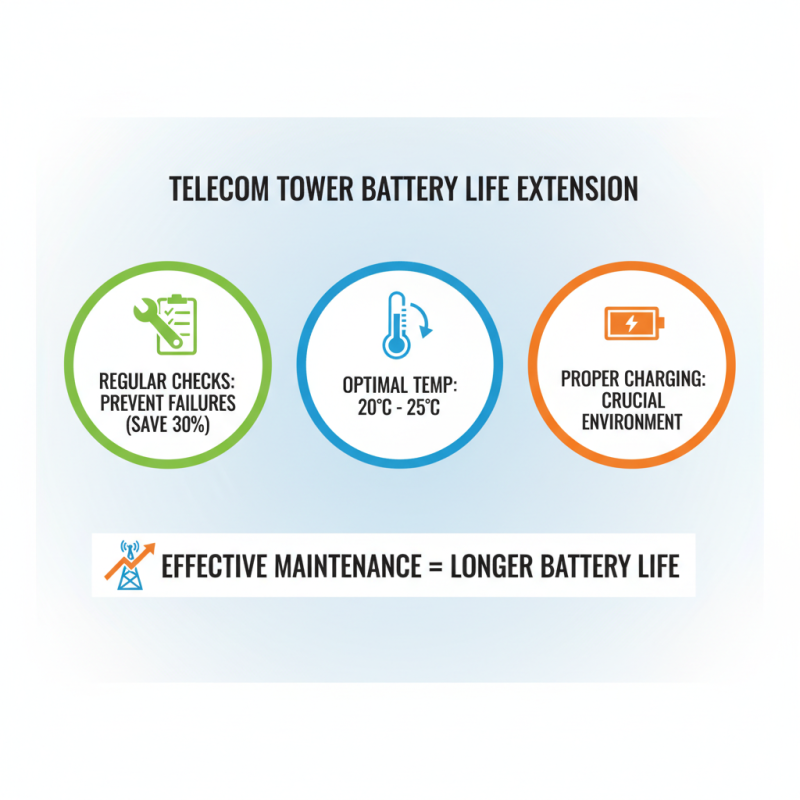
Effective maintenance practices are crucial for extending the life of telecom tower batteries. Regular checks can identify potential issues before they escalate. According to industry reports, nearly 30% of battery failures result from improper maintenance. Maintaining the correct charging environment is essential. Batteries perform optimally when kept at specific temperature ranges, usually between 20°C and 25°C.
Consider implementing a routine inspection schedule. This includes checking electrolyte levels, terminal connections, and any signs of corrosion. Notably, a study indicated that well-maintained batteries can outlast their poorly maintained counterparts by over 25%. If maintenance practices are neglected, unexpected failures may occur, leading to downtime and costly repairs.
Monitoring discharge cycles plays a vital role as well. Avoid deep discharges to preserve battery health. Many recommendations suggest keeping the discharge cycle above 50%. Additionally, in the event of unexpected failures, having a backup power system can be an advantage. Even then, proper maintenance should remain a priority. Each oversight can lead to reduced efficiency and increased operational costs, highlighting the need for a more proactive approach in telecom battery management.
Comparative Analysis of Lead-Acid vs. Lithium-Ion Batteries
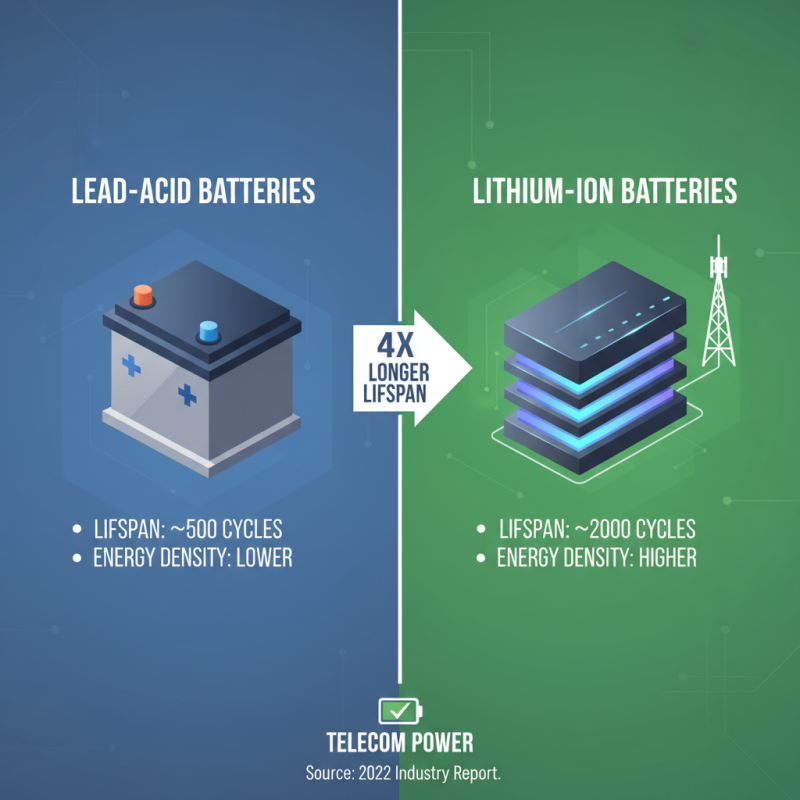
Telecom towers rely on batteries for consistent power. The choice between lead-acid and lithium-ion batteries is critical. A 2022 industry report highlighted that lithium-ion batteries outperform lead-acid alternatives in energy density and lifespan. Lithium-ion batteries typically provide up to 2000 cycles, while lead-acid ones last around 500 cycles. The difference is striking, showing lithium-ion’s superiority for long-term deployments.
However, cost remains an issue. Lead-acid batteries are often more affordable upfront, making them attractive for budget-conscious projects. But over time, the total cost of ownership for lithium-ion may be lower due to their longer lifespan. A study by a leading energy consultancy indicated that operational costs could decrease by up to 30% with lithium-ion when factoring in replacement cycles and maintenance.
Additionally, environmental impact cannot be ignored. Lead-acid batteries can be hazardous, requiring safe disposal methods. In contrast, lithium-ion offers a more sustainable approach, despite concerns over mining practices. These factors create a challenging landscape for decision-makers. Balancing upfront costs with long-term benefits is essential. Careful analysis and planning are necessary to ensure reliable performance at telecom towers.