Top 10 Benefits of Using 48v 160 A Lithium LFP Battery for Energy Solutions
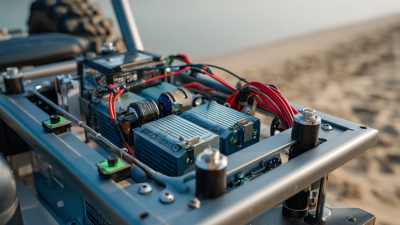
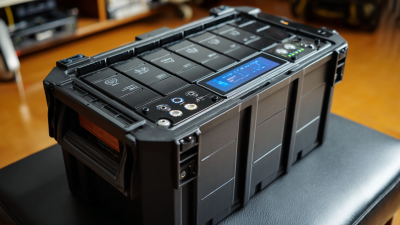
In recent years, the demand for efficient and sustainable energy solutions has grown significantly, leading to an increased interest in advanced battery technologies. Among these, the 48v 160 A Lithium LFP (Lithium Iron Phosphate) battery stands out as a game-changer for various applications, from renewable energy systems to electric vehicles. This versatile energy storage option has garnered attention for its remarkable benefits, making it an ideal choice for both commercial and residential energy needs.
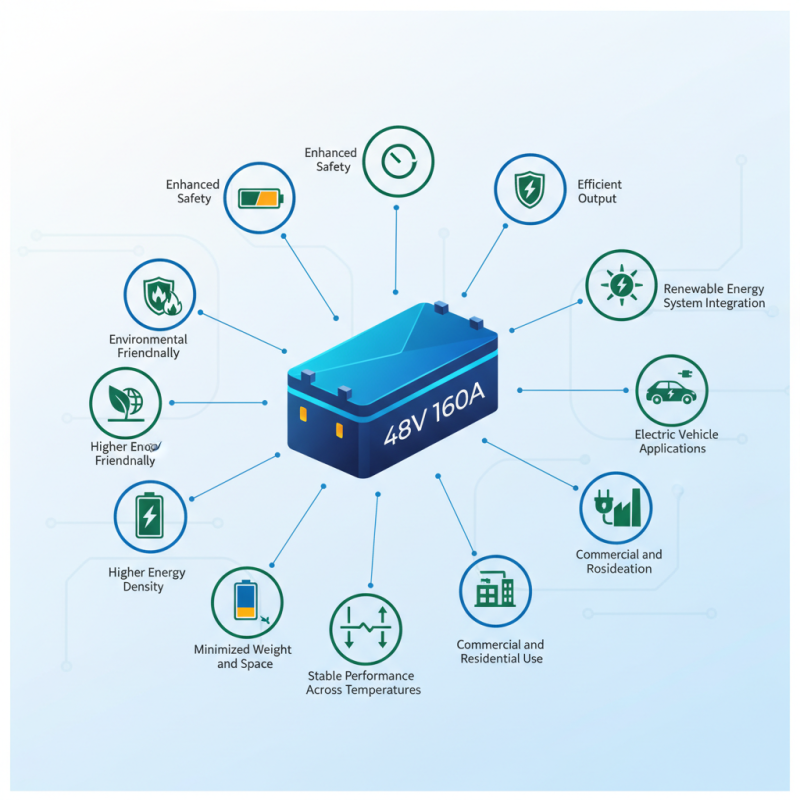
Utilizing a 48v 160 A Lithium LFP battery offers numerous advantages, including enhanced safety, longevity, and environmental friendliness. With a higher energy density compared to traditional lead-acid batteries, this lithium battery provides efficient power output while minimizing weight and space constraints. Furthermore, its stable performance across a wide range of temperatures ensures reliability and effectiveness in diverse operational conditions. As we delve into the top ten benefits of adopting the 48v 160 A Lithium LFP battery for energy solutions, it becomes clear why this technology is paving the way for a cleaner, more sustainable future.
Benefits of High Energy Density in 48v 160 A Lithium LFP Batteries
The rise of 48V 160A Lithium LFP batteries represents a significant advancement in energy storage solutions, particularly due to their high energy density. These batteries can deliver substantial power while maintaining a compact size, making them ideal for applications ranging from renewable energy systems to electric vehicles. According to a recent report from the International Energy Agency, energy density is a crucial factor when evaluating battery systems, as higher energy density allows for longer operational times and reduced need for frequent recharges.
Lithium iron phosphate (LFP) chemistry offers enhanced safety and thermal stability compared to traditional lithium-ion technologies, which further supports its growing use in various sectors. Data from the U.S. Department of Energy indicates that LFP batteries can achieve up to 200 Wh/kg energy density, providing more usable power without a corresponding increase in size or weight. This characteristic is particularly beneficial in industries where space and weight are critical, such as in telecommunications and backup power systems.
Furthermore, the longevity of LFP batteries contributes to their appeal. Research published by the Battery University indicates that these batteries can provide more than 3,000 charge cycles, significantly outpacing other lithium-ion options. This durability not only translates to lower lifecycle costs but also positions LFP batteries as a sustainable choice for energy solutions. As industries continue to shift toward greener alternatives, the benefits of high energy density in 48V 160A Lithium LFP batteries become increasingly clear, paving the way for innovative applications and enhanced energy efficiency.
Enhanced Safety Features Compared to Traditional Battery Options
The rise of 48V 160A lithium LFP (Lithium Iron Phosphate) batteries is significantly transforming the energy storage landscape, particularly due to their enhanced safety features compared to traditional battery options. A recent report by the Department of Energy indicates that lithium LFP batteries can withstand higher temperatures than their counterparts, reducing the risk of thermal runaway—a critical safety concern that can lead to battery failure or fires. In fact, studies show that LFP batteries have a thermal stability threshold that is approximately 20% higher than standard lithium-ion batteries, making them an ideal choice for applications in varying environmental conditions.
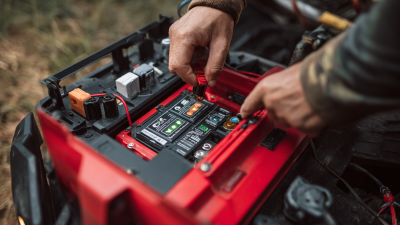
Moreover, lithium LFP batteries come equipped with advanced Battery Management Systems (BMS) that provide real-time monitoring and control, further enhancing their safety. These systems are designed to prevent overcharging and deep discharging, which are common failure points in traditional battery technologies. According to industry data, this additional layer of intelligence ensures that LFP batteries have a failure rate of less than 0.1%, significantly minimizing risk and promoting user confidence in their performance. As energy storage solutions continue to evolve, the safety aspect of lithium LFP batteries will likely position them as a standard choice for both residential and commercial applications, corresponding to the growing demand for reliable, sustainable energy alternatives.
Top 10 Benefits of Using 48v 160 A Lithium LFP Battery for Energy Solutions
| Benefit |
Description |
Impact |
| Enhanced Safety |
Lithium LFP batteries have a higher thermal stability and are less likely to catch fire compared to traditional lithium-ion batteries. |
Reduces risks of fire hazards. |
| Long Lifespan |
Can last up to 10,000 cycles, significantly longer than lead-acid batteries. |
Lower replacement frequency and cost. |
| Fast Charging |
Capable of charging rapidly, reducing downtime. |
Increases operational efficiency. |
| Lightweight |
Lighter than traditional battery options, making them easier to install and transport. |
Simplifies integration into various setups. |
| Environmental Benefits |
LFP batteries are less toxic and more environmentally friendly than lead-acid batteries. |
Contributes to sustainable energy solutions. |
| Wide Operating Temperature |
Performs well in a variety of temperatures, from -20°C to 60°C. |
Versatile for many applications. |
| Higher Energy Density |
More energy stored in a smaller footprint compared to traditional batteries. |
Maximizes space efficiency. |
| Low Self-Discharge Rate |
Retains charge for longer periods when not in use. |
Ensures readiness and reliability. |
| Smart Battery Management |
Integrated management systems for optimal performance and safety. |
Enhances battery reliability and longevity. |
| Cost-Effectiveness |
Despite higher upfront costs, lower maintenance and replacement costs lead to better long-term savings. |
Maximizes return on investment. |
Longer Lifespan and Durability in Varied Environmental Conditions
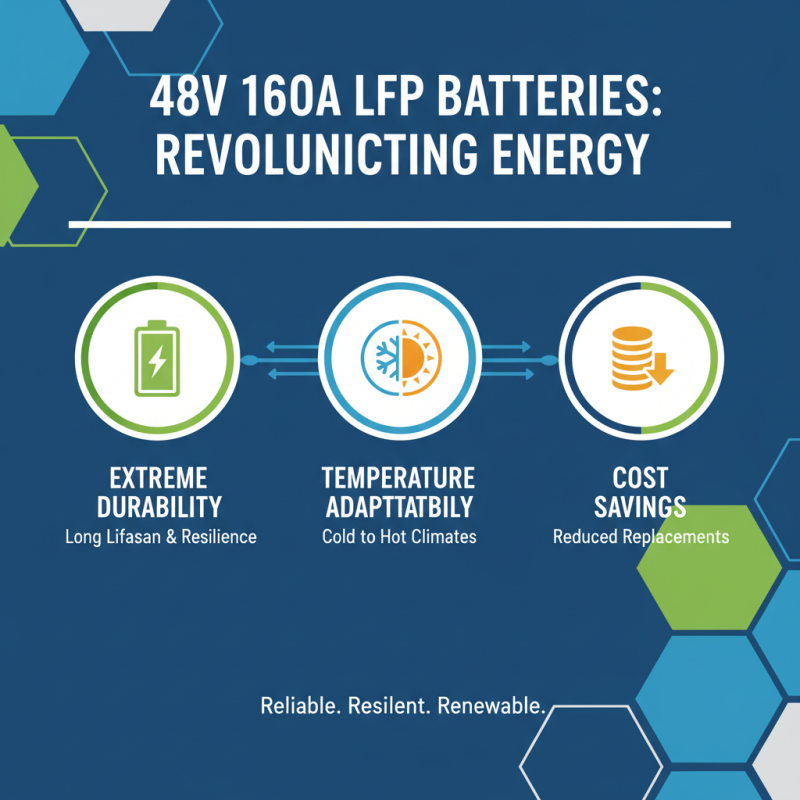
The adoption of 48v 160 A Lithium LFP batteries has revolutionized energy solutions, particularly due to their remarkable lifespan and durability, even in varied environmental conditions. One of the standout features of Lithium Iron Phosphate (LFP) technology is its ability to withstand extreme temperatures, ranging from freezing cold to intense heat. This adaptability ensures that the battery maintains optimal performance, whether in a chilly rural setting or a hot industrial environment. Such resilience greatly reduces the frequency of replacements, offering users substantial long-term cost savings.
Moreover, these batteries demonstrate a superior cycle life compared to their counterparts, often lasting for thousands of discharge and charge cycles. This extended lifespan not only underscores their durability but also contributes to the overall sustainability of energy systems that utilize them. The robust chemical composition of LFP batteries further enhances their safety and reduces the risk of thermal runaway, making them an ideal choice for diverse applications. In essence, the combination of longevity and reliability equips users with a dependable energy solution ready to face the demands of various environmental challenges.
Cost Efficiency Over Time: Savings on Maintenance and Replacement
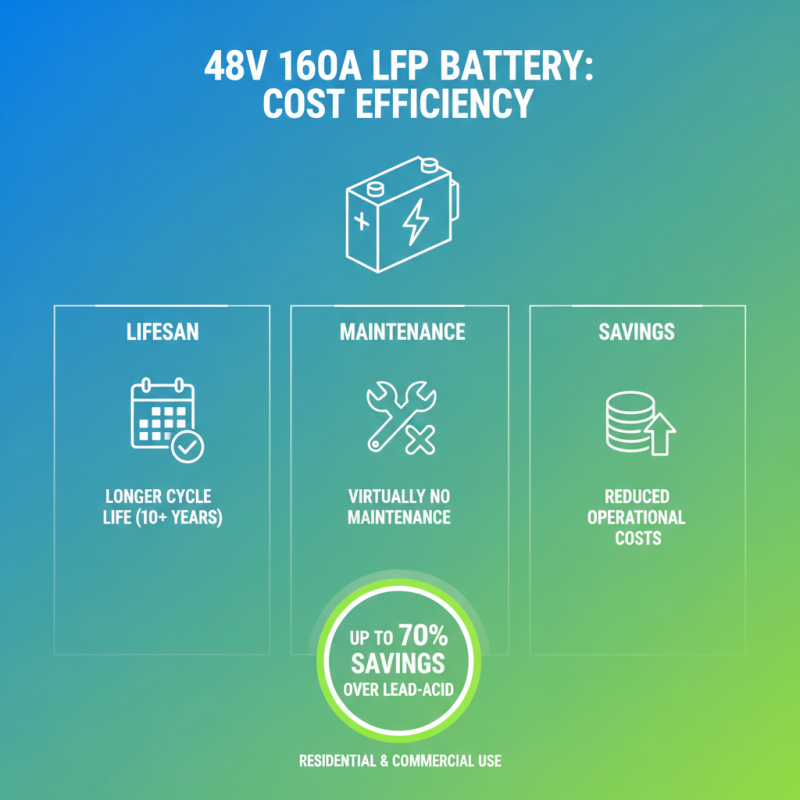
When considering energy solutions, the cost efficiency of a 48v 160 A lithium LFP battery stands out remarkably. These batteries are designed for longevity and require significantly less maintenance compared to traditional lead-acid batteries. The robust nature of lithium LFP batteries means they can withstand deeper cycles without deteriorating, which not only extends their lifespan but also reduces the frequency of replacements. As a result, users can enjoy lower operational costs over time, making them an economically viable option for both residential and commercial applications.
Moreover, the reduced maintenance requirements contribute to lower labor costs and increased reliability. For instance, many traditional battery systems demand regular checks, fluid top-ups, and other custodial tasks that can add up financially. In contrast, the lithium LFP battery's stability and resilience allow for a more hands-off approach, freeing up resources for other essential operations. Consequently, the total cost of ownership decreases, creating a substantial financial incentive for adopting this advanced energy storage solution. This financial prudence, coupled with the battery's efficiency and performance, illustrates why the 48v 160 A lithium LFP battery is becoming a preferred choice for energy solutions in various sectors.
Versatile Applications in Renewable Energy and Off-Grid Systems
The versatility of 48V 160A lithium LFP batteries in renewable energy and off-grid systems is becoming increasingly recognized in the industry. As an essential energy storage solution, these batteries effectively support solar power systems, wind energy solutions, and other renewable sources. According to a recent report from the International Renewable Energy Agency (IRENA), energy storage capacity needs are projected to grow significantly, reaching up to 1,330 GWh by 2030, driven by the need for reliable energy access and grid stability. The 48V 160A configuration provides an optimal balance between capacity and efficiency, making it ideal for residential and commercial setups where space and weight limits are a concern.
In off-grid applications, the reliability of lithium LFP batteries shines through. A study by the Rocky Mountain Institute highlights that off-grid systems utilizing lithium batteries can significantly increase energy independence while minimizing environmental impact. Lithium LFP batteries have a longer lifespan compared to traditional lead-acid batteries, often exceeding 5,000 cycles, which is essential for systems that depend on consistent energy supply, especially in remote areas. Furthermore, the efficiency of these batteries allows for rapid charging and discharging, essential for addressing peak energy demands and integrating seamlessly with intermittent renewable sources. As the push for sustainable energy solutions continues, the adoption of 48V 160A lithium LFP batteries in diverse applications will undoubtedly play a pivotal role in shaping the future of energy systems worldwide.
Top 10 Benefits of Using 48v 160 A Lithium LFP Battery for Energy Solutions
This chart illustrates the top benefits of utilizing a 48v 160 A Lithium LFP battery in energy solutions, showcasing its advantages for renewable energy and off-grid applications.