Top 5 Benefits of Using a 48 Volt 300 Amp Lithium Li-Ion Battery for Your Power Needs
When it comes to powering your devices and vehicles efficiently, the choice of battery can make a significant difference. Among the myriad of options available in the market today, the 48 Volt 300 Amp Lithium Li-Ion battery stands out due to its advanced technology and high-performance capabilities. This powerful energy source not only delivers impressive performance but also comes with a host of benefits that can enhance various applications, from electric vehicles to renewable energy systems.
In this article, we will delve into the top five benefits of utilizing a 48 Volt 300 Amp Lithium Li-Ion battery for your power needs. By understanding its advantages, you can make informed decisions about your energy solutions. From longer lifespans and faster charging times to superior energy density, this versatile battery option is engineered to meet the demands of modern technology. Join us as we explore how the integration of this battery can propel your projects forward and contribute to a more sustainable future.
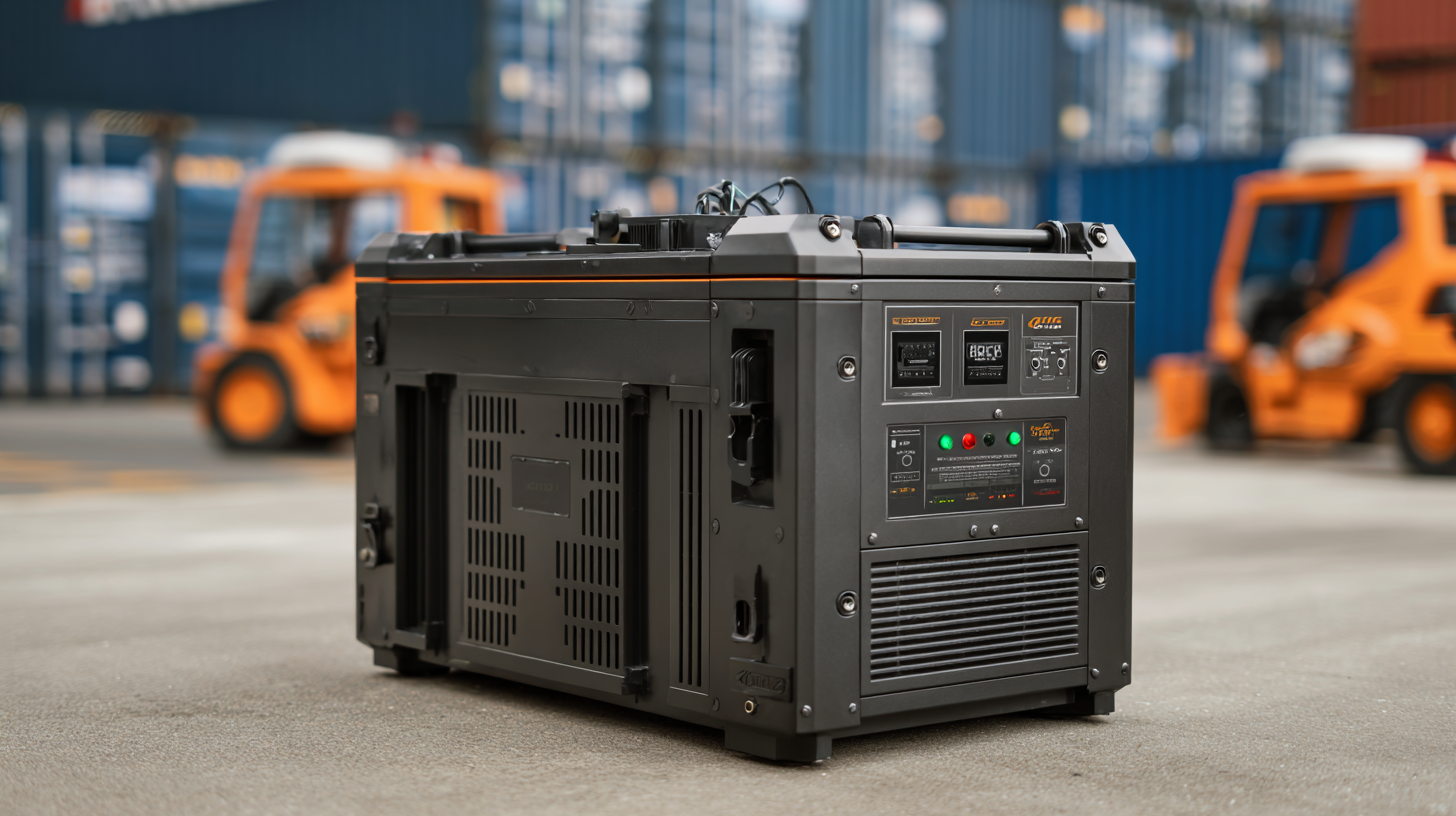
Advantages of Higher Energy Density in 48 Volt 300 Amp Lithium Batteries
The advantages of higher energy density in 48 Volt 300 Amp lithium batteries are particularly noteworthy, as they play a crucial role in meeting modern energy demands. Unlike traditional lead-acid batteries, lithium batteries offer significantly more energy per unit of weight, allowing for a more compact design without sacrificing performance. This higher energy density enables users to power devices and systems for extended periods without the need for frequent recharging, making these batteries particularly attractive for applications in renewable energy systems, electric vehicles, and portable power tools.
Moreover, the increased efficiency of energy utilization in lithium batteries leads to lower overall energy costs. With less energy wasted during discharge, users enjoy improved performance and longer operational life. This becomes essential in both commercial and residential settings, where reliance on efficient power sources is critical. Additionally, the lighter weight of these batteries facilitates easier installation and transportation, further enhancing their practical benefits. Overall, the shift to higher energy density lithium batteries like the 48 Volt 300 Amp variant represents a significant advancement in technology, aligning perfectly with the growing demands for sustainability and efficiency in various industries.
Top 5 Benefits of Using a 48 Volt 300 Amp Lithium Li-Ion Battery
Enhanced Discharge Rates for Efficient Power Supply in Various Applications
The rising adoption of 48 Volt 300 Amp Lithium Li-Ion batteries is transforming power supply across various applications, primarily due to their enhanced discharge rates. This capability allows them to efficiently deliver high power levels on demand, which is crucial for mission-critical operations. For instance, in hybrid power supply systems that integrate renewable energy sources, optimizing discharge rates can significantly reduce downtime and mitigate potential financial losses caused by power outages. Studies have shown that businesses can incur losses as high as thousands of dollars per minute during disruptions, making it essential to have a reliable power supply solution.
Tips for leveraging lithium battery technology include assessing your power needs and ensuring that your chosen battery system can handle peak loads efficiently. Regular monitoring and maintenance are also vital for optimizing performance and lifespan. Additionally, consider integrating intelligent management systems that enhance the performance of energy storage solutions. Such systems often utilize advanced strategies to optimize the utilization of harvested energy, further boosting efficiency in applications like public transport and renewable energy utilization.
Moreover, the increased focus on fault detection and control within DC microgrids exemplifies the need for resilience in power systems. Enhanced discharge rates from lithium batteries play a critical role in this context, allowing for smoother operation and greater overall efficiency in energy systems. With proper implementation and real-time adjustments, these advanced power solutions can ensure efficient transitions and reliable performance in emergency scenarios.
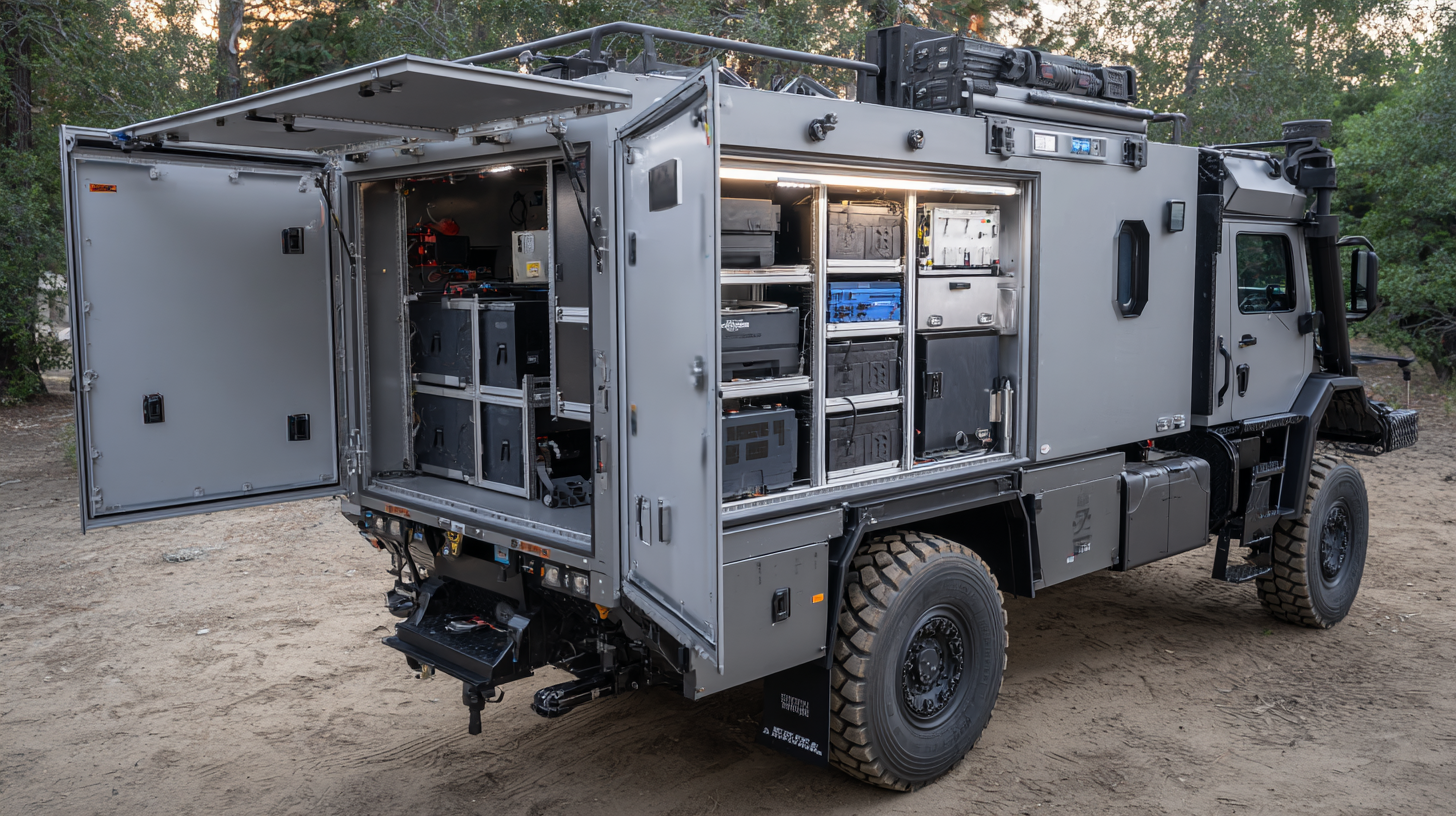
Extended Lifespan Compared to Traditional Lead-Acid Batteries
The extended lifespan of a 48 Volt 300 Amp Lithium Li-Ion battery compared to traditional lead-acid batteries is one of its most significant advantages. While lead-acid batteries typically last between 3 to 5 years, lithium-ion batteries can easily last over a decade with proper care and maintenance. This increased durability not only translates to fewer replacements but also contributes to lower long-term costs, making it a more economical choice for power needs.
Moreover, lithium-ion batteries offer better performance over their lifespan. They maintain a consistent voltage output and require less frequent charging cycles, which means less energy waste. As they age, lead-acid batteries experience a gradual decline in capacity and performance, leading to inefficient power usage. In contrast, the lithium-ion alternative operates efficiently until its life cycle ends, ensuring that users benefit from reliable and sustained energy without the frequent disruptions typical of older battery technologies. This reliability is vital for applications demanding constant power supply, as it enhances overall productivity and performance.
Top 5 Benefits of Using a 48 Volt 300 Amp Lithium Li-Ion Battery for Your Power Needs - Extended Lifespan Compared to Traditional Lead-Acid Batteries
| Benefit |
Lithium Li-Ion |
Lead-Acid |
| Lifespan |
3000-5000 cycles |
500-800 cycles |
| Weight |
About 70% lighter |
Heavier due to lead content |
| Charge Time |
1-3 hours |
8-12 hours |
| Efficiency |
95%+ |
70% - 80% |
| Maintenance |
Low Maintenance |
High Maintenance required |
Reduced Weight and Space Requirements for Versatile Installations
The utilization of a 48 Volt 300 Amp Lithium Li-Ion battery presents significant advantages in terms of reduced weight and space requirements, which is crucial for versatile installations. Traditional lead-acid batteries, known for their bulkiness, often limit the design and layout options in various applications, from RVs to solar power systems. In contrast, lithium batteries are exceptionally lightweight and compact, allowing for greater flexibility in positioning. This characteristic not only facilitates easier installation but also enables users to optimize space for other essential components.
Moreover, the reduced weight of lithium batteries contributes to improved energy efficiency. By lowering the overall weight of the system, vehicles and portable devices can achieve better performance and stability. Additionally, the space-saving design permits innovative configurations that can enhance functionality and accessibility, making them increasingly popular among those requiring reliable power sources in constrained environments. Whether in off-grid scenarios or in vehicles that demand high energy output without sacrificing weight, the advantages of a 48 Volt 300 Amp Lithium Li-Ion battery are evident and transformative.
Improved Safety Features and Thermal Management Technologies in Lithium Batteries
The advancements in lithium-ion battery technology have significantly enhanced safety features and thermal management, making them a preferred choice for various power needs. The integration of smart management systems enables these batteries to monitor temperature and performance in real-time, effectively mitigating risks associated with overheating. This is particularly crucial in high-capacity batteries like the 48 Volt 300 Amp variety, which can power demanding applications without compromising user safety.
Investing in a battery with robust thermal management technology not only prolongs its lifespan but also ensures consistent energy output. These systems utilize passive and active cooling methods, contributing to a more stable performance under various environmental conditions. As a result, users can enjoy peace of mind knowing their power source is designed to operate safely and efficiently.
Tips: When selecting a lithium-ion battery, consider models with advanced thermal features and safety certifications. Regularly monitor the battery’s temperature and charge cycles to maintain optimal performance. Additionally, install the battery in a well-ventilated area to enhance airflow and prevent overheating.